
WASHINGTON — The legal authority behind America’s most powerful surveillance program expires at midnight Friday for the first time since its creation in 2008, after the House rejected a last-ditch extension and Congress left town, and the most remarkable thing about the lapse is how little it will change: the wiretaps will keep running for another nine months on paperwork already signed.
The House voted down a short-term extension of Section 702 of the Foreign Intelligence Surveillance Act on Thursday morning, 198 to 218, far short of the two-thirds majority the fast-track procedure required, with 19 Republicans voting no and only seven Democrats in favor of a measure that would have carried the law through July 2, ABC News reported. The Senate failed in parallel, and the Associated Press reported the program is now almost certain to expire, with no path to renewal before the deadline.
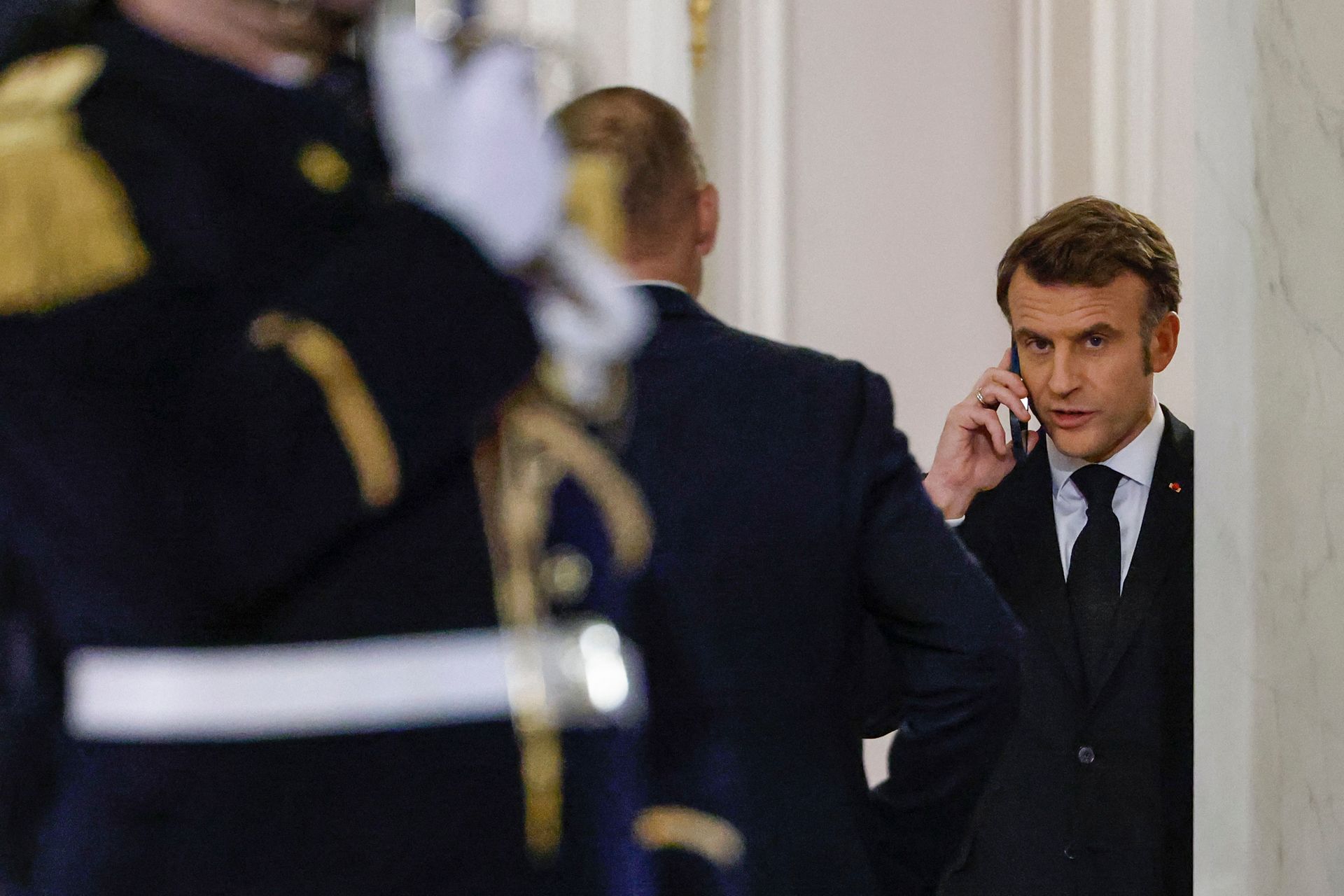
The proximate cause sits in the director of national intelligence’s office. Democratic support for the extension collapsed the moment Donald Trump announced that Bill Pulte, the housing regulator with no intelligence background, would replace Tulsi Gabbard as acting DNI, a confrontation The Eastern Herald covered when the Pulte appointment first put the FISA deadline in jeopardy. Representative Jim Himes, the intelligence committee’s ranking Democrat, said members could not in good conscience vote for reauthorization without significant reforms, having earlier observed that Pulte two days ago could not have told you what the initials DNI stand for; Senator John Cornyn, one of seven Republicans who helped sink a Senate extension 47 to 52 on June 5, said the nominee had no obvious qualifications.
The standoff has since deepened. Axios reported that Pulte had pressed for Gabbard’s early removal, sharpening Democratic suspicions that the intelligence community is being subordinated to White House loyalty tests, and turning a routine reauthorization into a hostage exchange in which each side insists the other is holding the gun.
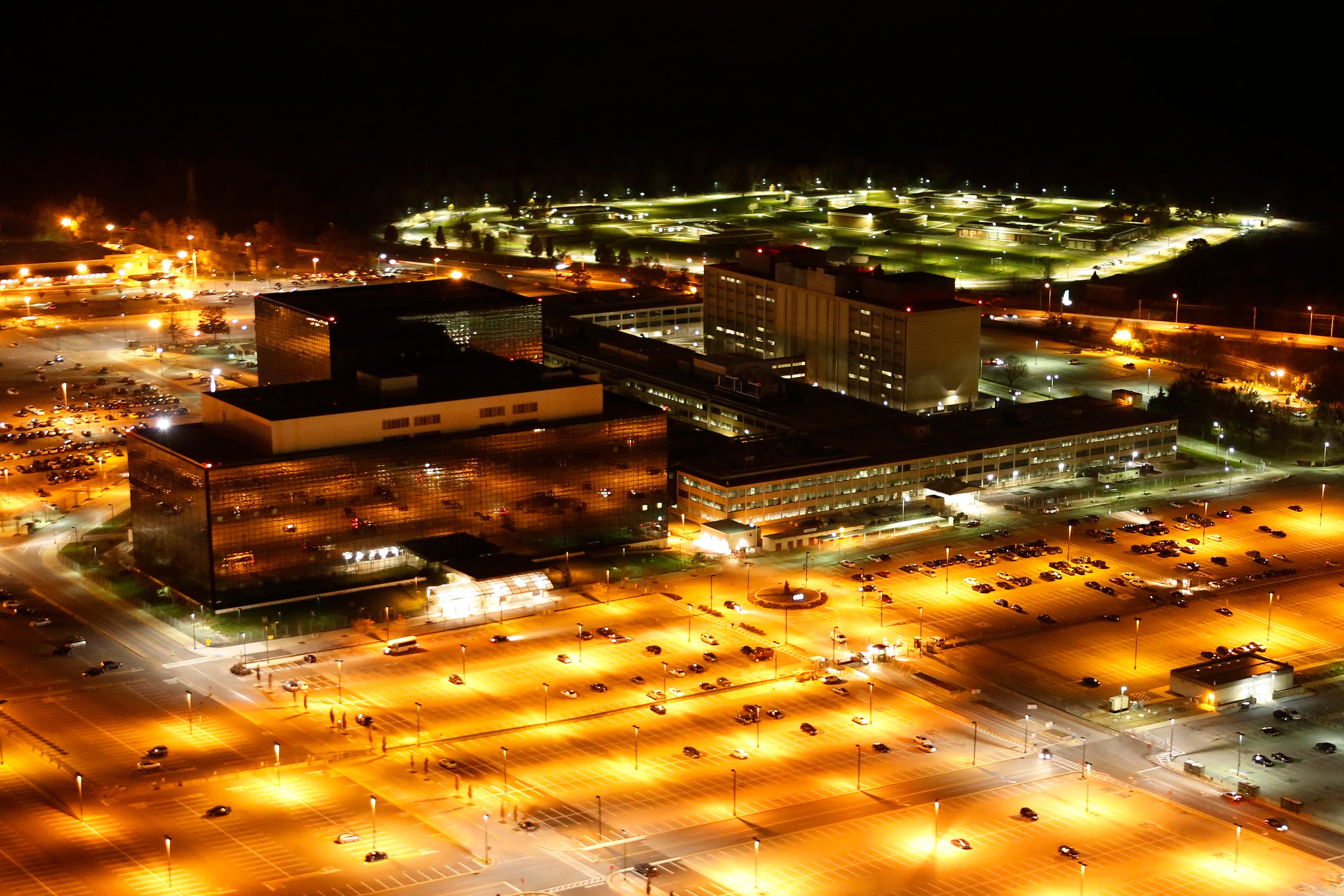
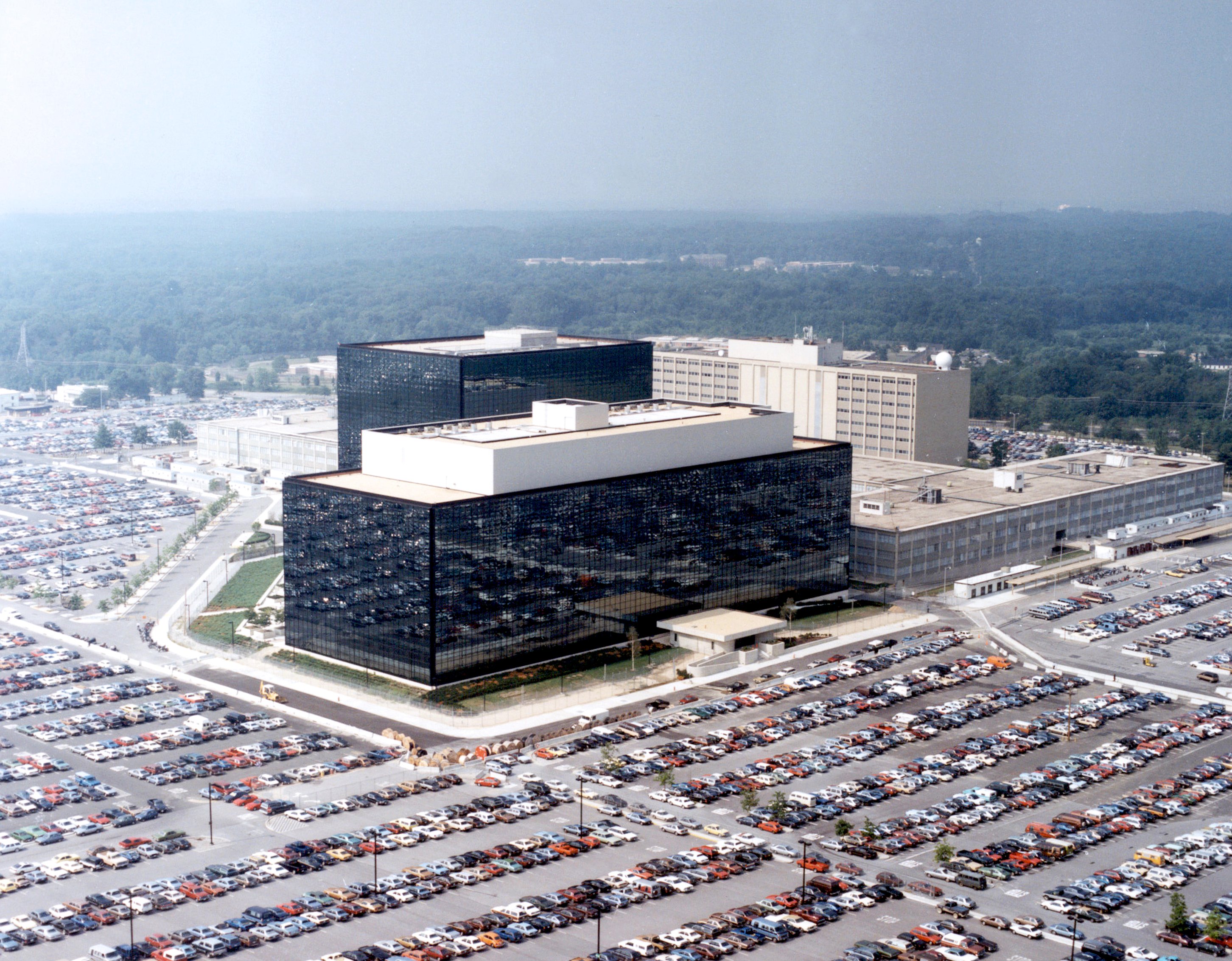
What actually stops at midnight is the authority to issue new certifications, not the surveillance. Under the FISA Amendments Act’s transition provisions, collection authorized by the Foreign Intelligence Surveillance Court continues until the certifications expire, and the court approved the current annual set on March 17. The NSA, FBI and CIA can therefore continue warrantless collection, including the backdoor searches of Americans’ communications that civil liberties groups have fought for a decade, until roughly March 2027, statute or no statute, Tech Times reported.
That gap between the crisis and its consequences explains the unusual calm. Section 702 has survived every previous deadline through eleventh-hour rescues, including a ten-day emergency extension when the original April 20 sunset arrived and a 45-day clean extension on April 30. This time the rescue failed, and the intelligence agencies’ own lawyers had already built the bridge that makes failure survivable.
The privacy movement finds itself in the strange position of winning the vote and losing the point. Groups like the Electronic Privacy Information Center, which urged Congress to attach warrant requirements and tighter minimization rules to any renewal, note that the lapse creates leverage for reform when Congress eventually returns to the law, since the next reauthorization now starts from zero. But for the next nine months the program they oppose operates exactly as before, minus the congressional oversight a living statute invites.
For the administration, the lapse is a grievance with utility. The White House can blame Democrats for killing a counterterrorism tool, Democrats can blame the president for trading the intelligence community’s credibility for a loyalist, and the program itself ticks on, indifferent to its own funeral. The 19 Republicans who joined the no votes, many of them longtime FISA critics from the party’s libertarian wing, got the abolition they have demanded for years, in form if not in function.
The institutional pattern is the one this White House has traced all spring, converting the machinery of government into leverage and daring the other side to object, as the vice president’s criminal referral of Minnesota’s leadership showed the same week. The intelligence community now joins the Justice Department on the list of institutions whose ordinary functioning has become a bargaining chip.
What happens in March 2027, when the certifications run out with no statute beneath them, is the question nobody answered before leaving town. A Congress that could not pass a three-week extension in June must by then rebuild the entire legal architecture of foreign surveillance, or watch the program stop in fact rather than in theory, with no transition provision left to catch it.
Friday’s expiration is therefore both historic and hollow: the first death of America’s premier spy law, certified by a Congress that knows the corpse will keep working through next winter. The deadline that matters has simply moved nine months into the future, attached to the same unresolved question that killed this one, and the man in the DNI’s office is still the answer neither chamber will accept.