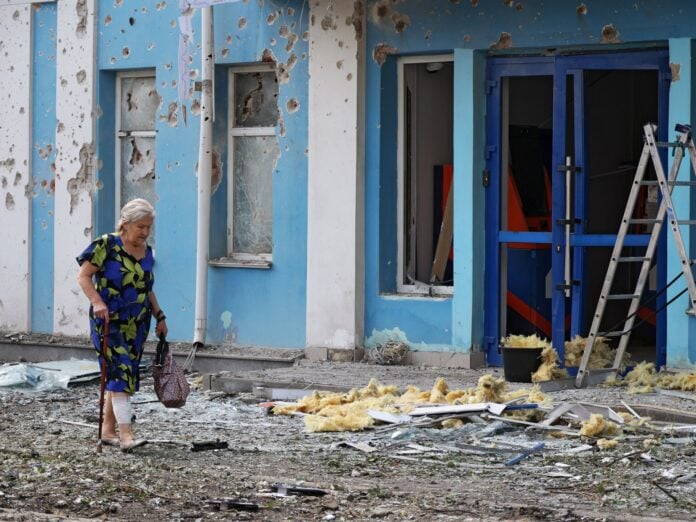

NEW DELHI — Aditya Sharma kept his father informed about the warnings. Two of them in the two weeks before the end, the deck cadet said over the phone, American naval voices on the radio telling his tanker to alter course. On June 9 the third message was a precision munition into the engine room of the MT Settebello in the Gulf of Oman. Sharma died there, alongside Shivanand Chaurasiya, an engine fitter, and Patnala Suresh, the ship’s chief engineer. Twenty-one of their crewmates came off alive.
This time, New Delhi named the shooter.
India summoned a senior American diplomat in New Delhi and registered what it called a strong protest over the deaths, CBS News reported, with the foreign ministry declaring that “the targeting of commercial shipping and civilian infrastructure in the region must end.” Shipping minister Sarbananda Sonowal called the deaths a profound loss to India’s maritime family. US Central Command’s account did not change: the Settebello had repeatedly failed to comply with directions and was running the blockade Washington has drawn around Iranian oil, and the aircraft fired into its engineering spaces to stop it. CENTCOM published the strike footage.
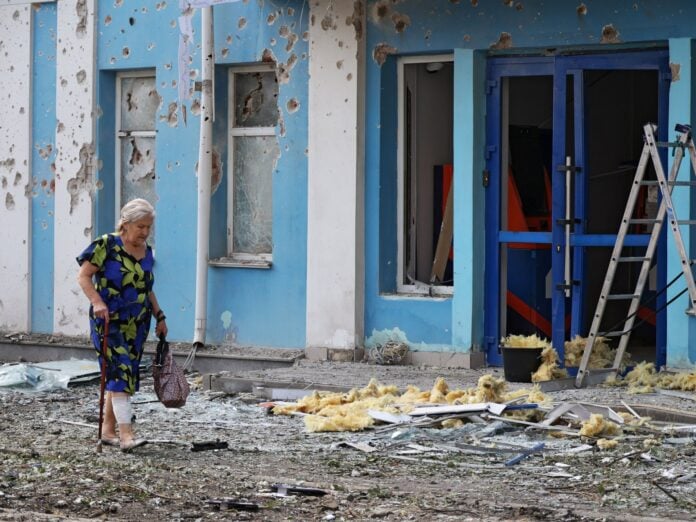
The protest marks a reversal that took exactly three bodies to produce. Two days before the Settebello deaths became public, a different sanctioned tanker with a different all-Indian crew, the Marivex, burned in the same waters from the same kind of strike, and New Delhi’s entire public response was to thank Oman for the rescue. The arithmetic of silence stopped working when the rescue helicopters started coming back with fewer people than the crew lists. By CBS’s count at least nine vessels have been disabled since the blockade began on April 13, including the Guinea-Bissau-flagged Jalveer, which took two Hellfire missiles in its engine room on Thursday. The crews of that grey fleet are, disproportionately, Indian.
The three names tell you what a working tanker is. A chief engineer at the top of his trade, an engine fitter in the middle of one, and a deck cadet at the start, the whole arc of a seafaring career closed in one compartment. They worked the far end of the supply chain that moves discounted, sanctioned crude to whoever pays, including the refineries that keep Indian fuel prices from climbing faster than they already have. Their employers are sanctioned. Their government buys the cargo. Their deaths are the cost of the arrangement finally appearing on the books.
Washington has not been recorded responding to the summons. Its legal position is built and rehearsed: the blockade is enforcement, the warnings were given, disabling fire is restraint, and ships that run American cordons with transponders dark assume what follows. The doctrine of disabled rather than sunk now has a death toll, and the distinction will be harder to argue in Delhi than in a briefing room, because eight million Indians live and work in the waters and cities this war keeps touching.
The timing compounds everything. Indian media report the prime minister is expected at the G7 in France next week, where a meeting with the American president has been floated for days. Narendra Modi will arrive as the leader whose government summoned a US diplomat over dead citizens, from a war his foreign policy has spent months refusing to take a side in. Strategic autonomy was designed for exactly this kind of week, and it has never looked more expensive: India protested the killing of its citizens aboard sanctioned ships running an American blockade with Iranian oil, a sentence in which every clause is one of its own policies colliding with another.
What India asked for beyond the protest is not on the record. No demand for compensation has been published, no joint inquiry announced, and no advisory issued that would pull Indian crews off sanctioned hulls, which means the next Settebello is already sailing with a full complement and a dark transponder. The seafarers’ unions, who heard the Marivex’s distress call before the government did last week, have said the obvious thing: the men keep signing on because the sanctioned fleet pays, and nothing in this week’s diplomacy changes the pay.
Aditya Sharma’s father got the warnings secondhand, over the phone, the way seafaring families get everything. The warnings came twice. The protest came once, afterward. The ships are still sailing.