
NEW YORK — The largest initial public offering in financial history is done selling and starts answering questions today. SpaceX priced 555.6 million shares at $135 each on Thursday night, raising $75 billion and valuing Elon Musk’s rocket company at $1.77 trillion, CNBC reported, before a single public share has changed hands. Trading begins on the Nasdaq on Friday under the ticker SPCX.
The superlatives are not close. Saudi Aramco’s 2019 listing, the previous record, raised roughly a third as much. At $1.77 trillion, SpaceX enters the market as the seventh most valuable US-listed company, ahead of nearly every business that took half a century to get there, and it does so as a company that has never published a full public earnings report. The order book made the outcome look inevitable: as Eastern Herald reported when the roadshow opened, demand had already reached $250 billion against the shares on offer, an oversubscription that let bankers price at the top of the range and still leave buyers unfilled.
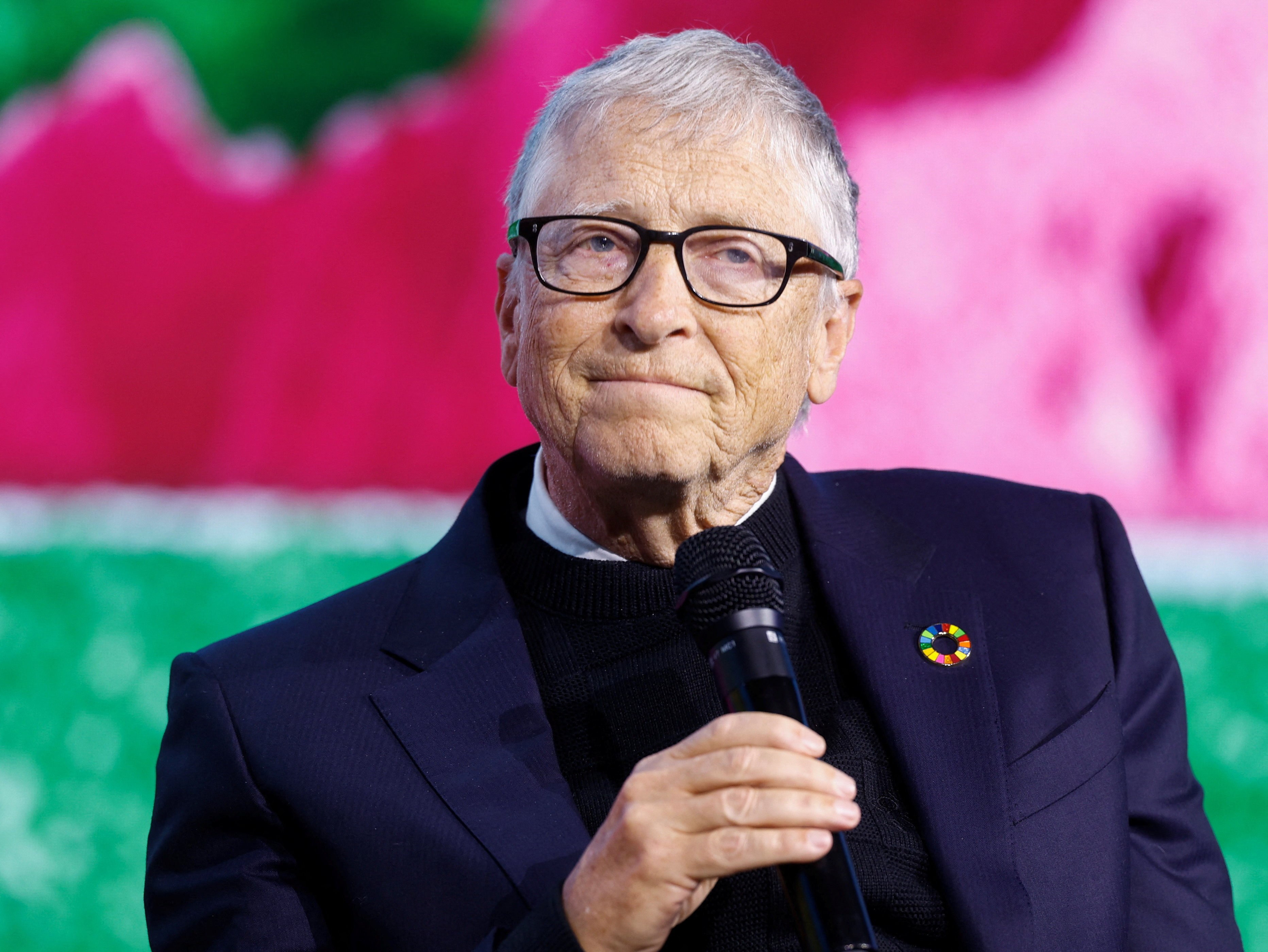
For Musk, the arithmetic crosses a threshold no individual has crossed: his stake makes him, on paper, the world’s first trillionaire. The more consequential number for the people buying the stock is 82, the percentage of voting power he retains through super-voting shares. Public investors are being offered economic exposure to SpaceX; control is not for sale at any price. Every institution that bought on Thursday accepted a structure in which the chief executive can overrule all of them combined, indefinitely.
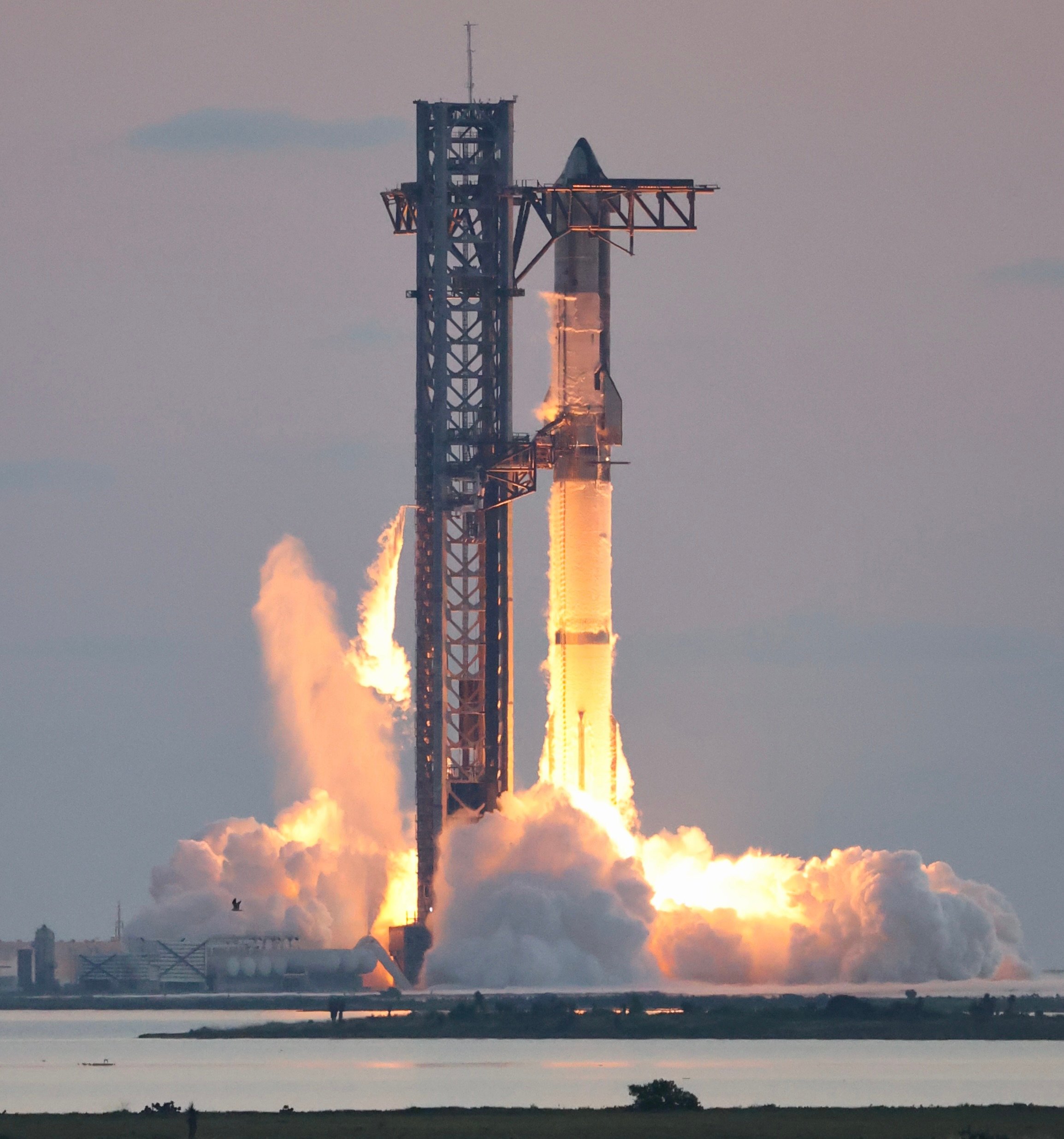
What the $1.77 trillion buys is two businesses welded together. One is the launch monopoly: the rockets that carry most of the world’s mass to orbit, with reusability economics no competitor has matched and a Starship program intended to make the gap permanent. The other is Starlink, the satellite internet constellation that has become the company’s revenue engine and the part of the prospectus that lets bankers talk about telecom multiples instead of aerospace ones. The valuation requires believing both keep compounding, together, for a very long time.
It also requires looking past the asterisks the roadshow could not remove. Starlink’s growth depends on government relationships in dozens of countries, and those relationships inherit every controversy attached to its owner. India froze Starlink’s security clearance days before the IPO, as Eastern Herald reported, after the constellation’s wartime conduct raised questions New Delhi declined to waive on Washington’s schedule. A company priced for flawless global expansion now answers to regulators on five continents who did not get IPO allocations.
The timing is its own story. The deal priced hours after Donald Trump announced he was calling off further strikes on Iran and began promoting a peace arrangement, a swing that sent stocks higher and handed SpaceX a calm tape for its debut. It also priced into a week when US producer inflation posted its largest annual gain in three and a half years and the World Bank cut its global growth forecast to the weakest since the pandemic. The largest IPO ever is landing in an economy that is, by most official measures, decelerating; the buyers are betting SpaceX is the exception that compounds through it.
Wall Street’s name for the gap between the model and the price is the Elon premium, and Friday is its first public mark-to-market. Private investors have only ever bought SpaceX in rounds Musk’s bankers controlled; from today, the price is set continuously by people allowed to sell. The first sessions of Aramco, Alibaba and Facebook each told a story their first year confirmed in three different directions, which is the honest way of saying a debut pop proves little and a debut slide proves less.
What is settled is the scale. A company that did not exist twenty-five years ago sold $75 billion of itself in an evening, made its founder a trillionaire before lunch, and walks into Friday worth more than the GDP of most G20 members. The market has agreed on what SpaceX costs. What it is worth is the question the opening bell starts answering.