
NEW YORK — The legal relief Alphabet spent two years waiting for arrived six days too early to matter.
On September 2, 2026, U.S. District Judge Leonie Brinkema delivered a major victory to Alphabet’s Google, ruling that the tech giant will not be forced to sell its AdX advertising exchange—the third time in three years federal antitrust enforcers sought a structural breakup of a major technology company and were rebuffed by the courts. The decision eliminates what Wall Street analysts had identified as the single largest near-term regulatory risk hanging over Alphabet’s advertising business, which generated approximately $72 billion in revenue during the first half of 2026 and remains a critical profit driver for the parent company.
Six days later, Alphabet’s Class A shares closed at $338.46, down $4.02 for the session, as Houthi drone strikes on Saudi Arabia’s oil infrastructure and Canada’s retaliatory tariffs on $20 billion in U.S. goods pulled the Dow Jones Industrial Average down more than 628 points — its worst single-session drop since April. Company-specific tailwinds were overwhelmed by macro risk.
Alphabet shares traded between $337.09 and $343.53 on Monday after opening below Friday’s closing price of $342.48, as institutional investors weighed a weekend commodities shock that lifted Brent crude to $98 per barrel for a sixth straight session. Oil prices surged after Houthi attacks targeted a Saudi Aramco refinery complex in Jizan with capacity of about 400,000 barrels per day, prompting force majeure declarations affecting part of the company’s production commitments.
Alphabet was also set to speak at the Goldman Sachs Communacopia + Technology Conference at 1:10 p.m. Monday, an event closely watched by institutional investors for management signals on advertising demand, revenue pacing, and Google Cloud contract bookings. The presentation drew greater attention because it came in the same week Alphabet emerged from its digital advertising antitrust case without being ordered to make a structural divestiture.
For Alphabet investors, Monday’s decline highlighted the difference between the company’s operating momentum and short-term market volatility driven by macroeconomic developments. The antitrust ruling was a major outcome for Google: Judge Leonie Brinkema rejected all three structural remedies sought by the Department of Justice, including a forced sale of AdX and the open-sourcing of publisher ad-server auction logic. Instead, the court ordered behavioral remedies requiring Google to provide rival ad servers with real-time bid data, preserving its integrated advertising technology stack while addressing competition concerns. Analysts had estimated that the potential breakup risk represented a 15% to 25% discount to Alphabet’s enterprise value.
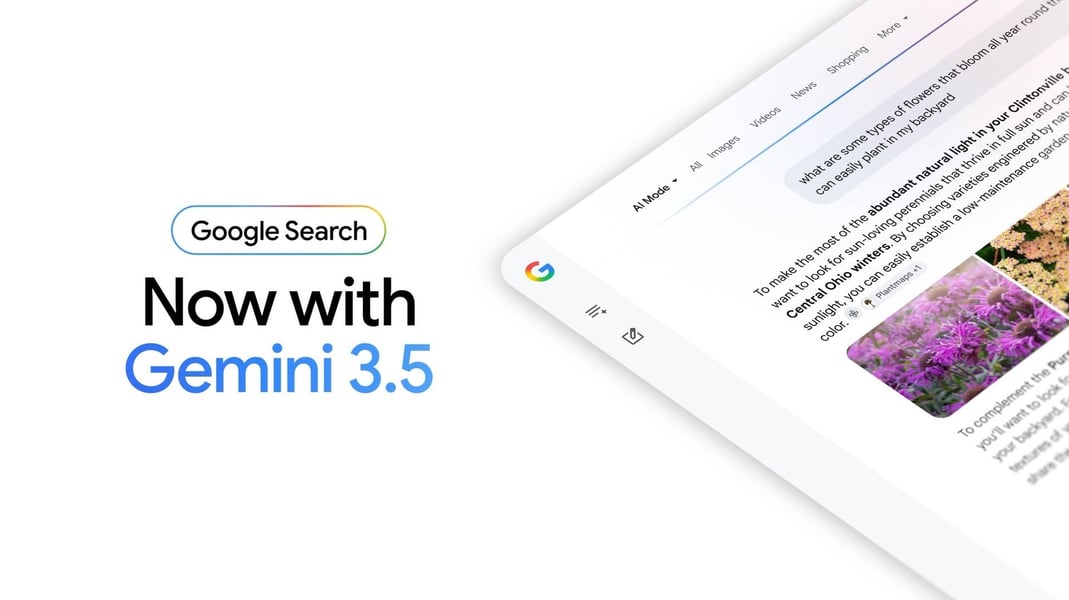
The Gemini 3.8 Flash model, released alongside the antitrust ruling on September 2, is the third Flash iteration Google has shipped in six weeks — priced at 75 cents per million input tokens with improvements in coding and agentic reasoning. Gemini Enterprise is simultaneously adding pay-as-you-go pricing, token discounts of up to 20 percent, and a zero-dollar base subscription option, extending the model’s commercial reach beyond traditional enterprise contracts.
Berkshire Hathaway expanded its Alphabet position to roughly $37 billion in Q2 2026, following an initial $10 billion private placement and a $17 billion purchase during the quarter. The allocation represents one of the firm’s largest single-name technology bets — an implicit argument that regulatory exposure is manageable and that AI-augmented search holds its durability through the current cycle.
The next concrete catalyst is October 29, when Alphabet is scheduled to report Q3 2026 earnings. Cloud momentum is less exposed to commodity volatility than advertising — enterprise software contracts do not reprice when crude rises — but a sustained energy shock that slows enterprise IT budget cycles could narrow the multiple investors have assigned to Google Cloud’s growth rate.
The DOJ’s search monopoly proceeding remains open. A judge ruled earlier this year that Google illegally maintained a monopoly in search, and the remedy hearing is pending. That case carries wider implications than the advertising ruling — Search generated 19 percent growth in Q2 and is Alphabet’s largest revenue segment by significant margin. Whether the government pursues structural remedies more aggressively in the search case than it did in advertising remains the regulatory uncertainty that Monday’s antitrust win did not resolve.
Alphabet Inc. trades on the Nasdaq under the ticker GOOGL. The stock closed Monday at $338.46, down $4.02 from its Friday close of $342.48.