
NEW YORK — The five trading days before Apple’s most significant product event in years ended Friday with shares down 2.51 percent, closing at $319.97, as investors priced two risks that the September 9 keynote either resolves or amplifies: constrained supply on the foldable iPhone and an unproven chief executive carrying the company’s narrative alone for the first time.
The Dow Jones Industrial Average slipped 272 points, or 0.51 percent, to 53,414. Apple was the index’s worst performer on a session when technology stocks broadly declined as the 10-year Treasury yield approached 4.8 percent, a level that compresses the valuation multiples investors assign to high-growth companies.
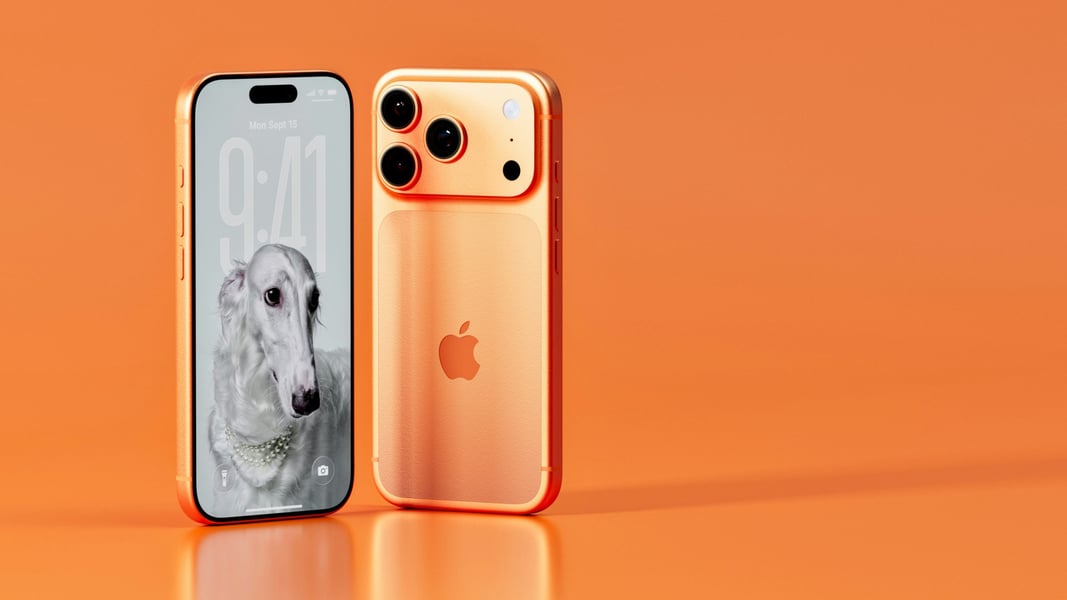
The foldable, expected to be called the iPhone Ultra, is the hardware story Wall Street has assigned the most forward revenue to. It features a book-style design that unfolds from a 5.5-inch outer display to a 7.8-inch inner panel, carries a starting price north of $2,000, and will share the September 9 stage with the iPhone 18 Pro and iPhone 18 Pro Max. The problem is production. Supply chain sources reporting in the days before the event indicate manufacturing is running at a few hundred units per day, far below the volumes required to drive material Q4 revenue contribution. Apple’s fiscal fourth quarter ends September 30. A launch on September 12 with supply constrained at that level means most foldable revenue lands in fiscal 2027 rather than fiscal 2026, a timing difference that cuts directly into near-term earnings estimates.
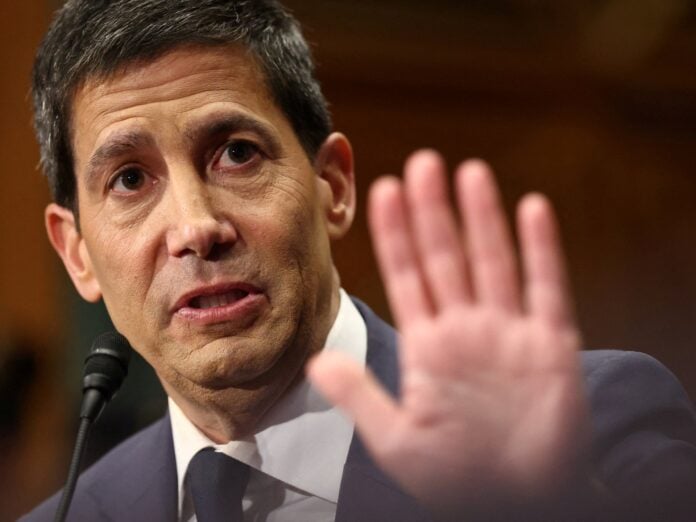
The event itself was confirmed August 26 under the tagline “Surprise and shine.” John Ternus, who became Apple’s chief executive on September 1 after Tim Cook moved to executive chairman, will host his first keynote Tuesday. Ternus spent two decades at Apple as the engineer behind the M-series chips and the structural overhaul of the iPhone’s internal architecture. That engineering credibility is not in question. What is not yet established is whether he can command an audience the way Cook did, and whether he can hold the growth narrative together in front of analysts and media who have spent fifteen years calibrating their Apple expectations against Cook’s specific communication style.
Markets are not pricing a Ternus failure. They are pricing uncertainty, which is a different and more solvable problem. If the September 9 keynote produces a compelling product story and Ternus handles the stage fluently, the discount Friday’s session assigned to the transition closes quickly. If either goes wrong, including an awkward delivery, a production delay made public, or a price point that generates consumer resistance, the 2.51 percent decline becomes the beginning of something larger.
Apple’s services segment provides a structural floor under the stock that makes sharp sustained declines difficult to sustain through earnings. Revenue from the App Store, Apple TV+, Apple Music, iCloud, and the expanding Apple Pay and advertising businesses grew approximately 14 percent year over year in the most recent quarter, and the segment’s operating margin substantially exceeds the company’s hardware margins. Services do not depend on supply chains, product launches, or manufacturing ramps. They compound. That compounding is part of the reason Apple crossed the $5 trillion market capitalization mark in late July.
The iPhone 18 Pro cycle carries its own risk independent of the foldable. Apple Intelligence, the company’s branded AI feature suite, drove strong upgrade activity in the 2025 iPhone cycle, the most pronounced in four years. The question for the September quarter is whether demand pulled forward in 2025 leaves a gap in 2026. Analyst consensus heading into the event assumes modest year-over-year iPhone unit growth; a foldable device available only in small quantities does not change that estimate materially either way.
Microsoft Corp. fell 2.05 percent on the same session on related macro concerns, while Uber’s announcement of 3,300 layoffs underscored the broader technology sector’s reckoning with the cost structure of AI-era operations. Apple’s situation is distinct: it is not cutting costs heading into a product cycle; it is managing supply timing and succession in the same week.
Engadget confirmed the September 9 event details and noted the foldable is expected to represent Ternus’s defining product introduction as CEO. The five days after that event will tell investors more about Apple’s near-term trajectory than the five days that just produced the decline. The supply constraint is a fact; whether it is a temporary manufacturing ramp or a structural display-supply problem is the question September 9 cannot fully answer, and the one that will matter most to AAPL holders through October.