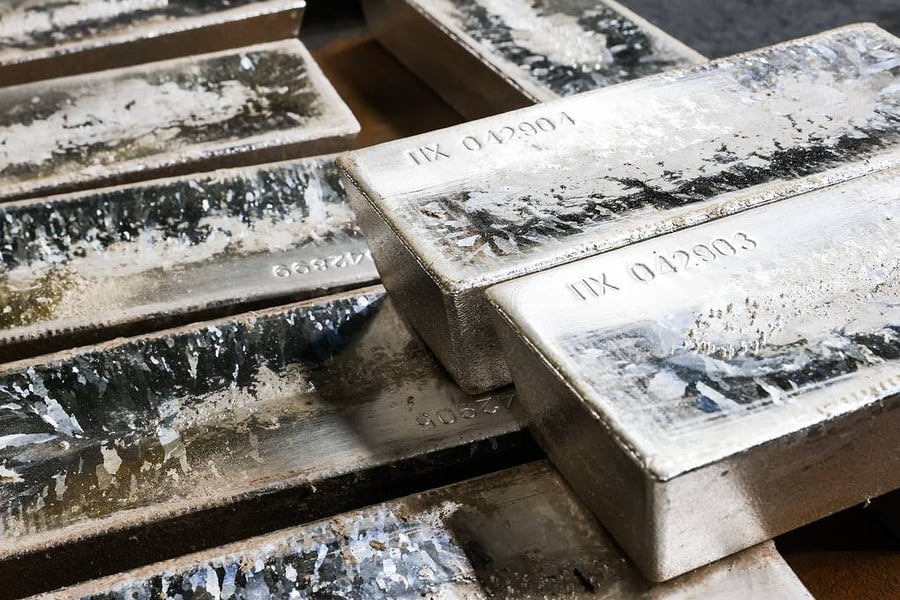

Silver prices in India stood at ₹195 per gram and ₹1,95,000 per kilogram in Goodreturns’ indicative price table dated November 15, 2026, with the provider reporting no change from the previous day. The quotation translated to ₹1,950 for 10 grams and ₹19,500 for 100 grams. Its city table listed the same per-kilogram figure for Delhi, Mumbai, Chennai, Kolkata, Bengaluru, Hyderabad, Pune and Ahmedabad. These figures provide a dated reference for comparing quotations across weights and cities, rather than a guaranteed purchase price. The report below sets out the weight-wise and city-wise prices alongside the distinctions buyers need to make between published reference rates, silver purity and a seller’s final offer.
Silver rates by weight
| Weight | Indicative price |
|---|---|
| 1 gram | ₹195 |
| 10 grams | ₹1,950 |
| 100 grams | ₹19,500 |
| 1 kilogram | ₹1,95,000 |
These quotations are attributed to Goodreturns and dated November 15, 2026. The table expresses the same reference rate in four weight units, making it easier to compare a per-gram quotation with a larger-weight figure. For example, the 100-gram amount is one-tenth of the kilogram amount; it is not a separate market benchmark. The figures are reference prices rather than guaranteed purchase offers, so the amount shown should not automatically be treated as the final invoice for a specific silver article.
Axis Max Life’s silver-rate page separately listed ₹195 per gram and ₹1,95,000 per kilogram for 999 silver on the same date. The page describes 999 silver as 99.9% pure, giving readers an explicit purity specification alongside its quotation. Although its headline figures matched Goodreturns’ figures in this report, they remain separately attributed quotations. When comparing either reference with an offer for jewellery, a coin or a bar, first establish whether the seller is quoting the same purity and weight.
Silver rates across major cities
| City | Per gram | Per 10 grams | Per kilogram |
|---|---|---|---|
| Delhi | ₹195 | ₹1,950 | ₹1,95,000 |
| Mumbai | ₹195 | ₹1,950 | ₹1,95,000 |
| Chennai | ₹195 | ₹1,950 | ₹1,95,000 |
| Kolkata | ₹195 | ₹1,950 | ₹1,95,000 |
| Bengaluru | ₹195 | ₹1,950 | ₹1,95,000 |
| Hyderabad | ₹195 | ₹1,950 | ₹1,95,000 |
| Pune | ₹195 | ₹1,950 | ₹1,95,000 |
| Ahmedabad | ₹195 | ₹1,950 | ₹1,95,000 |
The corresponding quotations were ₹1,950 for 10 grams and ₹19,500 for 100 grams across the eight cities listed. No price difference between those cities appears in this provider’s dated table. That observation applies to the published reference quotations, not to every individual seller or silver product in those markets. Readers comparing local offers should therefore use the city table as a starting point and ask each seller to identify the product’s weight, purity and final price. For historical context, see The Eastern Herald’s September 1, 2026 India silver-price report and its August 31, 2026 city-wise silver-price report. Those articles cover earlier dates and should not be read as quotations for November 15.
Why quotations differ between providers
NDTV Profit’s November 15 table listed ₹1,78,789 per kilogram, compared with ₹1,95,000 on Goodreturns. These are separate provider quotations and should not be combined into a single national rate or presented as a price movement between two points in time. The figures alone do not establish why the providers differed. A meaningful comparison requires checking the underlying specifications and quotation basis; this report does not attribute the gap to any particular tax, trading session or purity difference without supporting evidence.
When comparing a seller’s offer with a published quotation, check the source date, purity, weight and final payable amount. Record which provider supplied the reference figure, rather than relying on an unattributed headline rate. If two offers appear different, ask for their terms in the same units before deciding which is lower. This separates a genuine difference in the quoted amount from a comparison involving different weights or grades of silver.
What influences silver prices?
Silver is both an industrial material and a precious metal held by investors. The Silver Institute identifies available supply, fabrication demand, inflation expectations, currency values and interest rates among the factors affecting its price. These influences can move in different directions, so an unchanged daily quotation does not mean the wider market has stopped changing. They provide background for understanding silver markets, but do not by themselves explain the precise November 15 quotation or establish what the next day’s rate will be.
The Institute’s supply-and-demand research also highlights silver’s use in electronics, solar photovoltaic applications, vehicles and power-grid infrastructure. This industrial role helps explain why silver is watched not only as a store of value but also as a material linked to manufacturing activity. Investment interest and industrial use are distinct parts of the market, and neither should be treated as a complete explanation of a single day’s price. Readers should distinguish this broader demand context from a provider’s dated retail reference table.
Understanding 999 and 925 silver
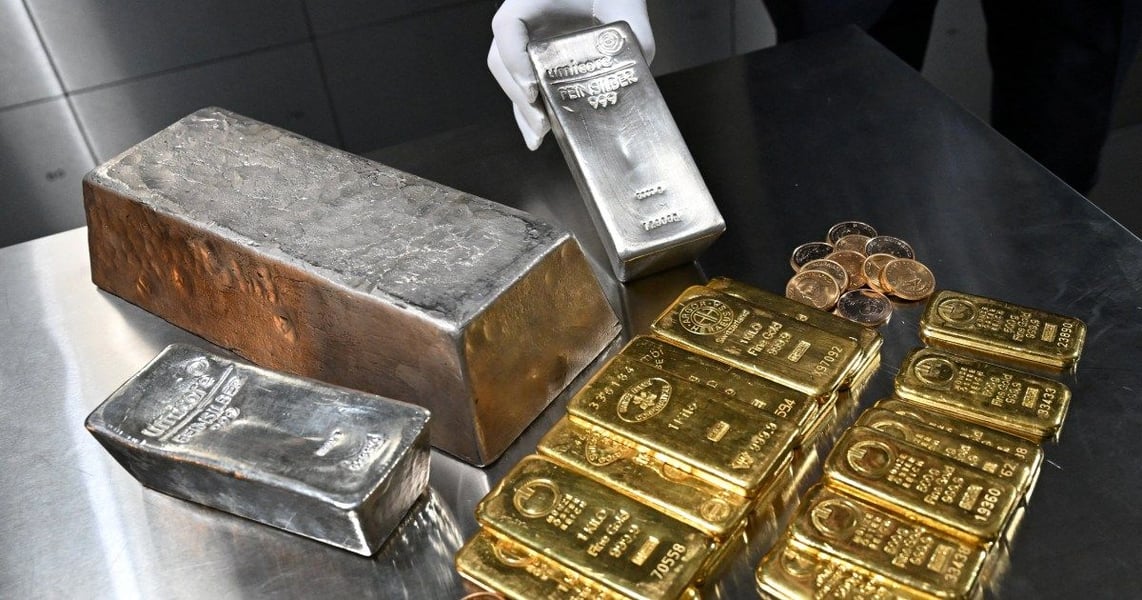
Purity numbers express silver content in parts per thousand: 999 means 99.9% silver, while 925 means 92.5%. As explained in Aditya Birla Capital’s purity guide, these are different grades, not interchangeable descriptions. A buyer comparing a jewellery quotation with a bullion reference rate should first establish which purity each price covers. Two items with the same total weight but different purity grades do not contain the same amount of silver, so their headline prices cannot be compared on weight alone.
How to check silver hallmarking
According to government guidance on the revised BIS silver hallmarking standard, HUID-based hallmarking for silver jewellery and articles was introduced on a voluntary basis from September 1, 2025. Under IS 2112:2025, the hallmark includes the BIS Standard Mark with the word SILVER, the purity grade and a Hallmarking Unique Identification code. The voluntary nature of the scheme is an important distinction: the guidance should not be described as a universal compulsory-hallmarking requirement for all silver articles.
The guidance says consumers can use the BIS Care app to check details of silver articles hallmarked under the revised system, including their purity grade, hallmarking date, assaying centre and jeweller registration. This provides a verification step beyond simply reading a purity number on an item. Buyers can compare the recorded details with the article being offered and seek clarification from the seller if anything does not match. Hallmark verification addresses the article’s recorded identity and purity information; it does not replace a separate comparison of the seller’s price.
Using the quoted rate when comparing offers
Start by matching the quotation date, weight unit and purity. Ask the seller for an itemised final price and clarify which charges are included before comparing offers. Keep a dated quotation or invoice so the terms of the transaction are recorded. If the published reference and the seller’s offer use different weight units, convert them to the same basis before assessing the difference. A clear written breakdown makes it easier to identify exactly what is being purchased and which amount the seller expects the buyer to pay.
The figures in this article remain provider-attributed reference quotations for November 15, 2026. They are not a newly verified November 16 price update, a guaranteed retail offer or a forecast of where silver will trade next. The explanatory sections expand the context without changing the date or status of the underlying quotations. Anyone using the report for a later purchase should obtain a fresh, dated offer and confirm its specifications rather than assuming that the rates recorded here still apply.