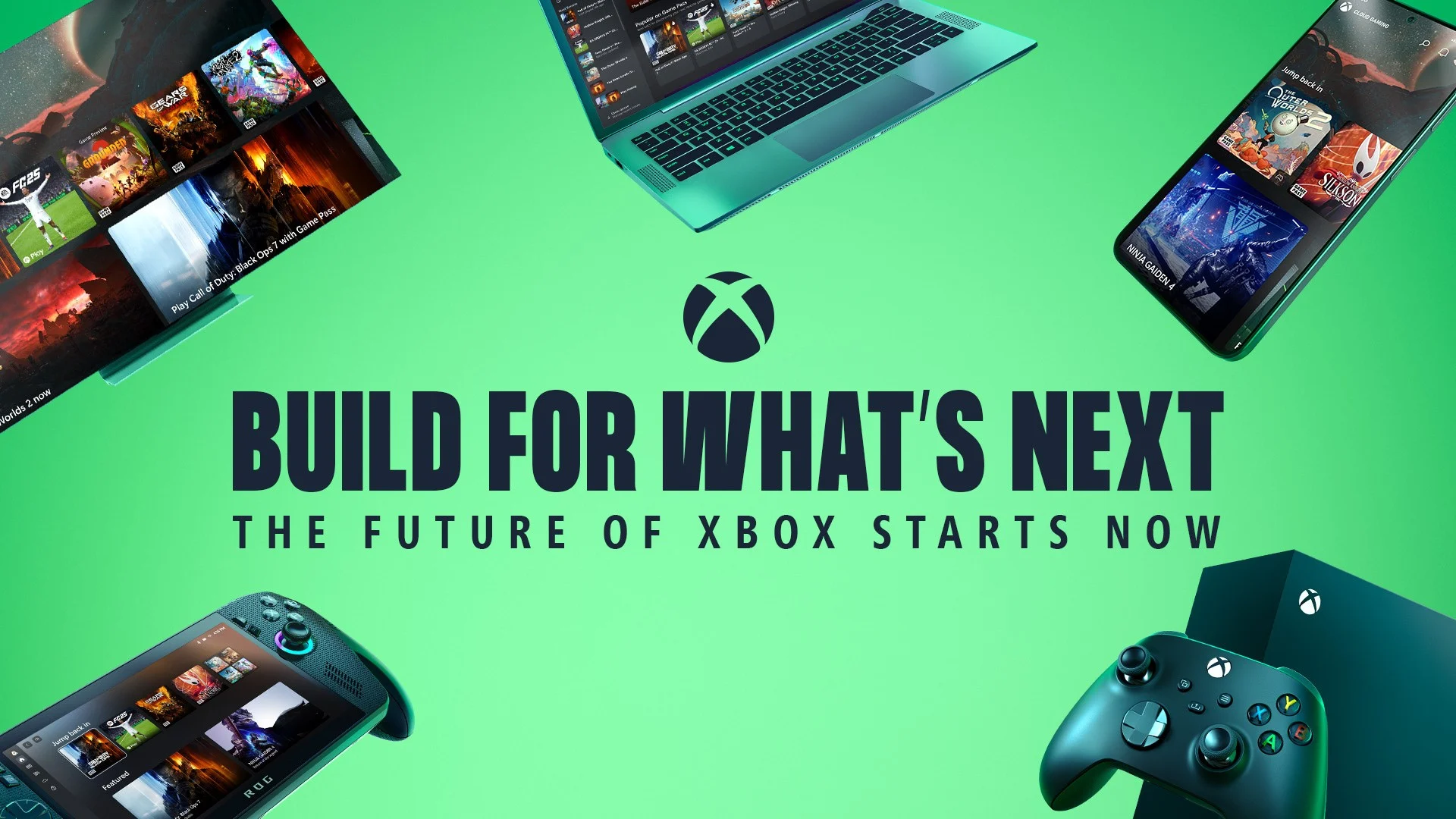

Microsoft’s gaming division has entered a defining phase of transformation, as the company formally dismantles the Microsoft Gaming identity in favor of a unified Xbox-first structure. The shift, led by Xbox chief executive Asha Sharma, marks one of the most significant strategic resets in the company’s entertainment history and signals a renewed emphasis on hardware identity, platform coherence, and long-term ecosystem control.
At the center of this restructuring is the “Return of Xbox” initiative, an internal strategy designed to consolidate branding, realign product development, and reassert Xbox as the singular consumer-facing identity across Microsoft’s gaming portfolio. The move follows years of expansion into cloud gaming, PC integration, and multiplatform publishing that blurred the distinction between Xbox and Microsoft’s broader gaming operations.
Industry observers have noted that the shift also reflects a broader recalibration of how gaming platforms monetize engagement, particularly as subscription models reshape consumer expectations. The debate over long-term profitability and platform sustainability is closely tied to evolving gaming monetization trends, where engagement-driven ecosystems increasingly define revenue outcomes rather than traditional hardware cycles.
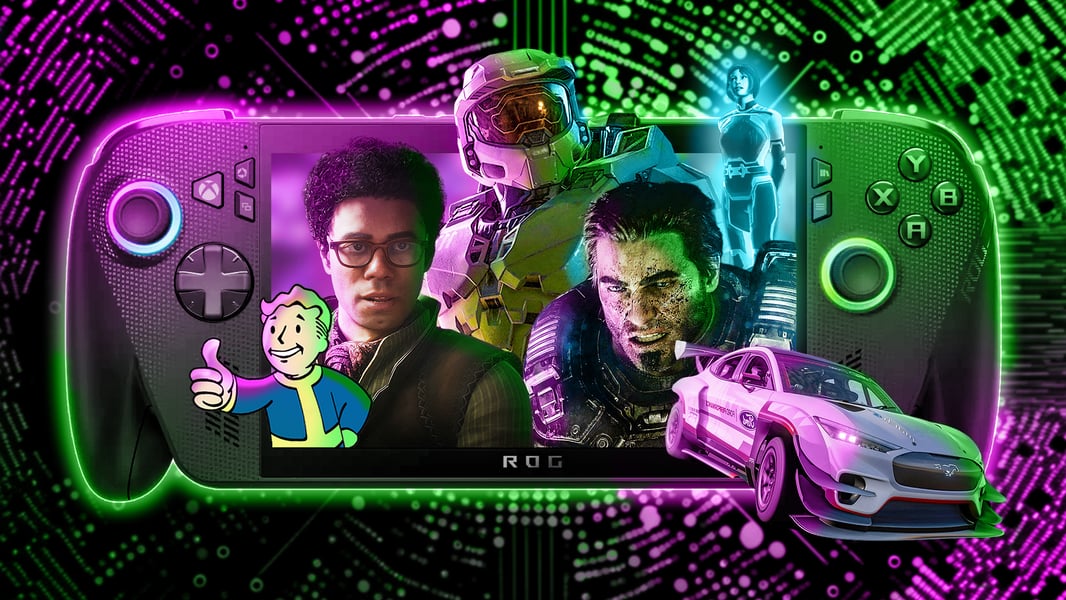
One of the most consequential areas of uncertainty lies in Microsoft’s evolving exclusivity strategy. Once a cornerstone of console differentiation, exclusives have become a point of internal debate as the company balances ecosystem reach against platform identity. According to reporting on the Xbox exclusivity reconsideration report, executives are actively exploring hybrid release models, including timed exclusivity and selective cross-platform deployment.
This shift reflects broader tensions within the gaming industry, where hardware competition is increasingly shaped by supply chain constraints and component pricing pressures. The rising cost of development and manufacturing has intensified scrutiny of platform economics, particularly as external market forces reshape production pipelines and consumer pricing strategies.
At the hardware level, Microsoft is simultaneously advancing its next-generation console roadmap under the codename Project Helix. The initiative is designed to bridge traditional console architecture with PC-like flexibility, signaling a departure from rigid platform boundaries. The structural direction aligns with insights from the Microsoft Gaming rebrand to Xbox report, which details the company’s decision to eliminate the Microsoft Gaming label entirely.
Hardware strategy is also being shaped by broader industry pressures, particularly in semiconductor availability and performance escalation. As companies compete to deliver higher computational capabilities, the gaming sector is increasingly influenced by broader technological competition. These dynamics are reflected in market conditions described as hardware cost pressure, where supply constraints directly affect product pricing and release cycles.
Meanwhile, the performance race among chipmakers continues to escalate, influencing console design decisions and long-term platform viability. The rapid progression of processor architectures has intensified what industry analysts describe as a hardware arms race, in which gaming platforms must continuously adapt to remain competitive in both power and efficiency.
Leadership under Asha Sharma has been central to shaping this transition. Her approach emphasizes consolidation over fragmentation, with a focus on simplifying Xbox’s identity for both consumers and developers. In a statement referenced in the Xbox CEO restructuring statement, Sharma outlined the importance of aligning internal teams under a single brand vision, stating that clarity of identity is essential for long-term platform success.
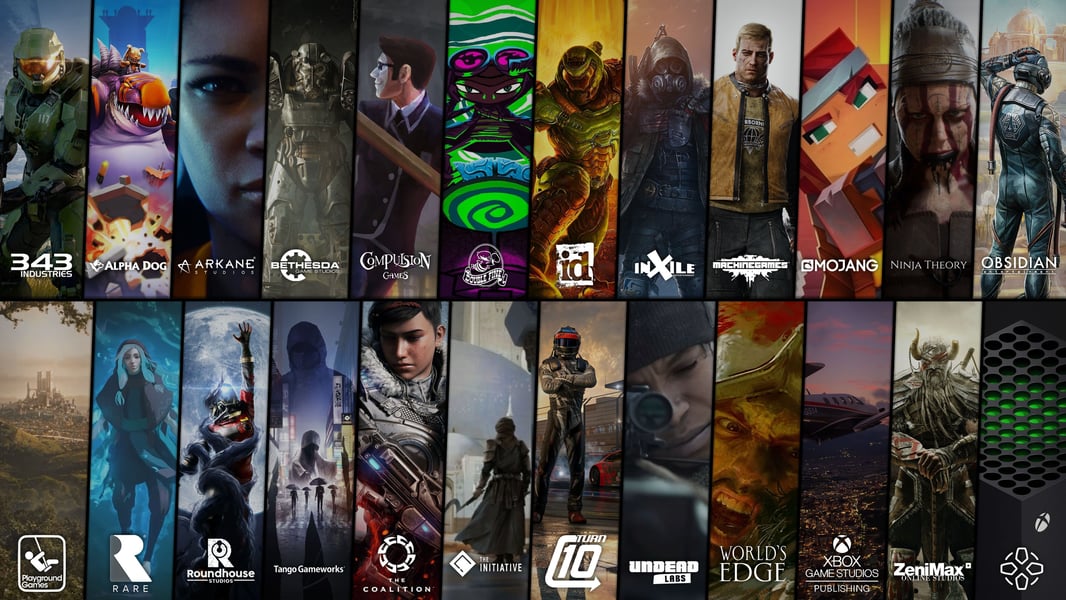
Analysts suggest that Microsoft’s restructuring is not merely a branding exercise but a fundamental repositioning of Xbox within the global gaming hierarchy. The consolidation effort, as detailed in the Return of Xbox initiative breakdown, reflects a long-term strategy aimed at restoring clarity, strengthening platform identity, and preparing for the next generation of hybrid gaming systems.
As Microsoft moves forward with Project Helix and refines its exclusivity and ecosystem strategy, the gaming industry is watching closely. The outcome of this transformation will likely determine not only Xbox’s competitive position but also the broader direction of console gaming in an era increasingly defined by convergence, subscription ecosystems, and cross-platform integration.