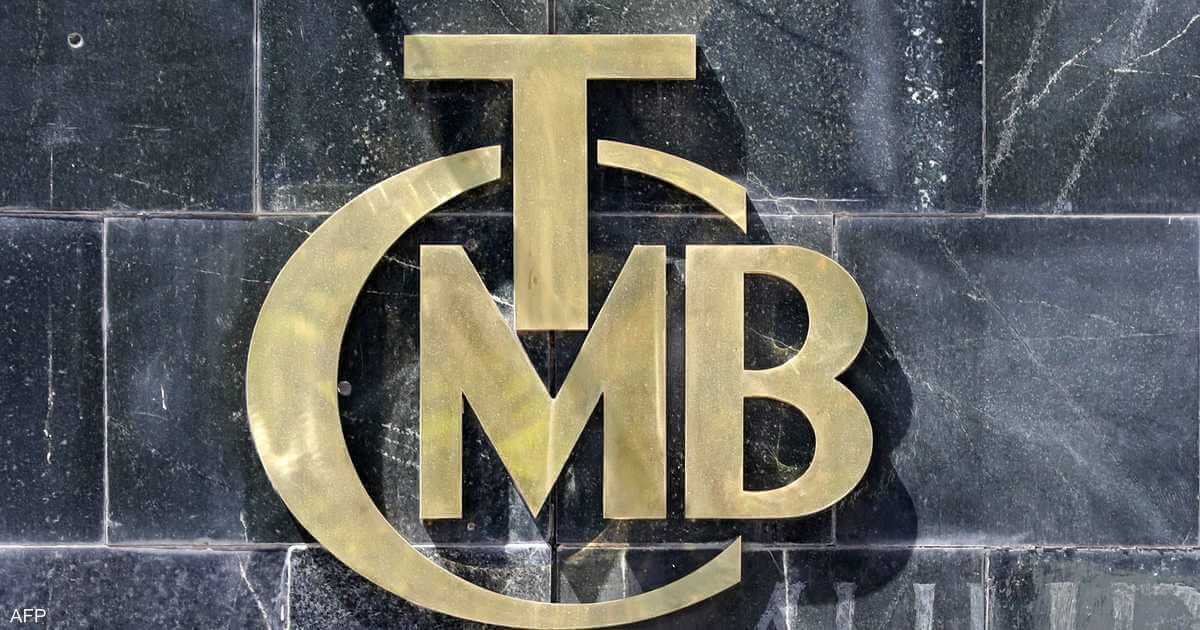

In a widely expected decision, the Turkish Central Bank decided to fix the interest rate on the Turkish lira during the week (repo) at 8.5%.
And Turkey’s Central Bank kept interest rates unchanged at the latest meetings in March and April after ending the easing cycle, which President Recep Tayyip Erdogan called for by cutting interest rates to less. 10%, despite high inflation.
Turkey’s economy is suffering from major economic problems, including falling prices of the pound against the dollar, which approached historic lows at 20 liras to the dollar, and high inflation, which is falling for the sixth consecutive month, reaching around 44% last April.
However, the consumer price index increased by 2.39% in one month, the Turkish Statistical Institute announced. According to official figures, inflation reached 50.5% in March on an annual basis, after reaching 85.5% last October.
The economic crises were exacerbated by the negative effects of the great earthquake, which claimed the lives of thousands of people.
The index of confidence in the Turkish economy reached its highest level since July 2018, reaching 91.1 points in May, according to statements by the Turkish Treasury Minister.
The Economic Sentiment Index is a composite indicator that contains consumers’ and producers’ assessments and expectations of the general economic situation. A score above 100 indicates an optimistic view of the general economic situation, while a value below 100 indicates a negative assessment.
It should be noted that the Turkish economy grew by 5.6% in 2022, beating expectations which indicated a growth of 5.2%.
Read the Latest World News Today on The Eastern Herald.
Related Posts