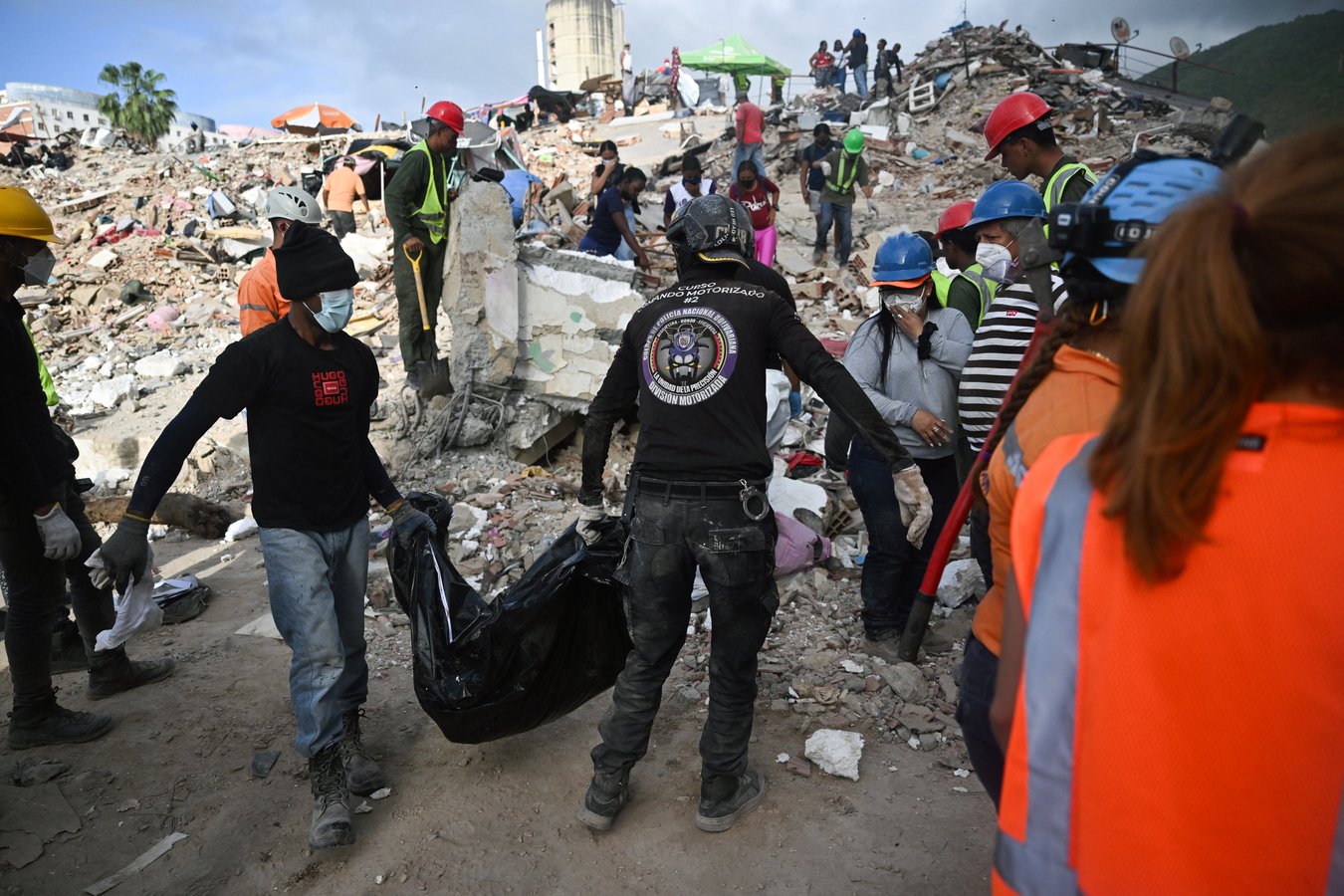

LA GUAIRA – Three weeks after twin earthquakes shattered Venezuela’s Caribbean coast, an estimated 20,000 people remain in overcrowded emergency shelters without reliable clean water or sanitation. The coastal strip that serves as Venezuela’s main gateway for air and sea trade is still registering aftershocks. On Friday, the International Monetary Fund announced it had released $346 million in emergency financing – a number that tells two stories: about the scale of what happened on June 24, and about how dramatically Venezuela’s political standing has changed since then.
National Assembly President Jorge Rodriguez confirmed Friday that 5,069 people have been killed since the June 24 disaster, with a further 16,740 injured, most of whom have since been discharged. The IMF simultaneously announced the release of the $346 million from Venezuela’s existing reserve tranche – the first substantial institutional aid Venezuela has received from a major international financial body since the political changes of earlier this year, Al Jazeera reported.
The June 24 event was not one earthquake but two: a magnitude 7.2 followed within sixty seconds by a 7.5, triggering more than 1,300 aftershocks in the weeks that followed. La Guaira, the coastal state that absorbed the worst damage, is Venezuela’s primary port of entry for imports and the location of Simón Bolívar International Airport. Its dual destruction – as a residential zone and an economic artery – compounds a recovery challenge the United Nations already estimated would cost $37 billion to resolve in full.
The $346 million released Friday reflects a relationship between Venezuela and the IMF that did not exist as recently as April. After the United States removed former President Nicolas Maduro from power in January 2026, the IMF and World Bank moved to restore formal ties with Caracas – a step they had withheld throughout Maduro’s tenure. IMF Managing Director Kristalina Georgieva confirmed the funds came from Venezuela’s existing reserve tranche, the International Monetary Fund noted, a technical designation that enabled faster disbursement but also constrains the size of the release.
The distance between $346 million and the UN’s $37 billion recovery estimate is not a rounding error. Venezuela’s recovery will require sustained, multi-decade international financing at a scale no single emergency release can approximate. The IMF funding also arrives alongside a much larger and unresolved dispute: at least 14 Democratic members of the United States Congress are pressing the White House to release an estimated $11 billion in Venezuelan funds frozen under pre-Maduro sanctions regimes. Those frozen assets remain untouched, generating criticism from international development economists who argue the money legally belongs to Venezuela regardless of political transitions in Caracas.
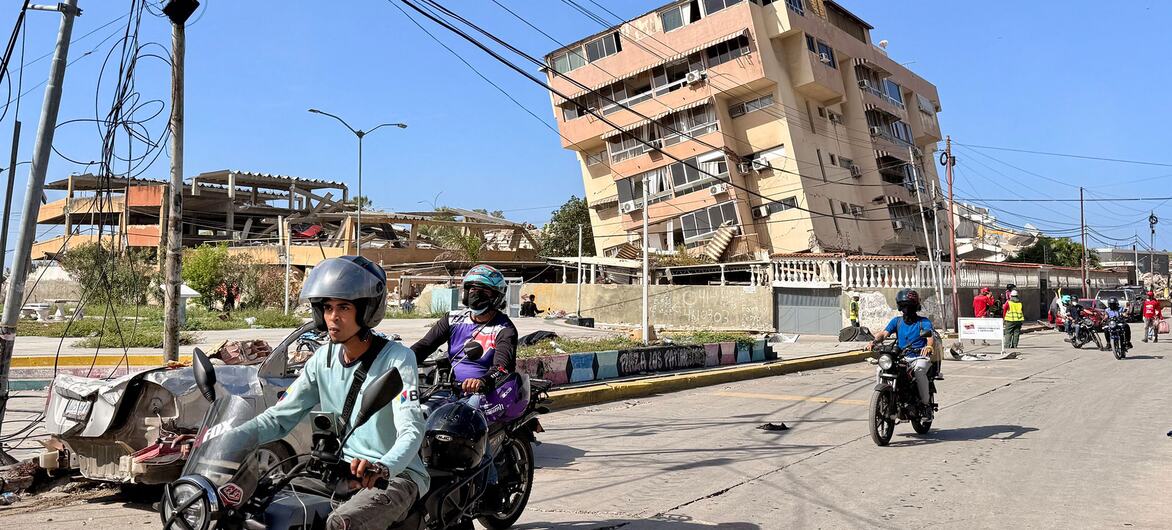
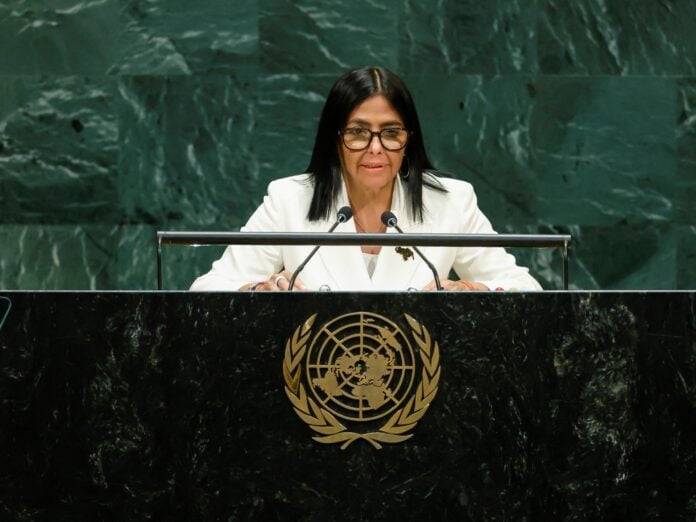
The conduct of the initial rescue operations has itself become a point of contention. A Reuters investigation published earlier this week found significant failures in the first hours after June 24: delays in military deployment, equipment shortages, and confused command structures when speed mattered most. Interim President Delcy Rodriguez, who assumed executive functions following Maduro’s removal, dismissed the findings. She characterised the reporting as the product of “media laboratories” rather than operational accountability, and said the government had responded both rapidly and effectively.
Not every international response has attracted criticism. India deployed a military field hospital to Caracas within days of the earthquake under Operation Amistad, which by early July was treating roughly 400 patients per day in a healthcare system already weakened by years of economic pressure and underinvestment. Venezuelan Foreign Minister Yvan Gil formally thanked New Delhi for the intervention, a notable moment of diplomatic warmth in a response landscape otherwise marked by institutional friction.
La Guaira’s importance to the recovery effort extends far beyond its own damaged population. Every container of construction materials, every pallet of medical supplies, and every piece of heavy rescue equipment entering Venezuela’s earthquake zone must pass through a port and airport complex that is itself operating at reduced capacity because of structural damage. The logistics bottleneck is not incidental to the recovery – it is at the centre of it. Rebuilding the gateway before rebuilding what lies behind it is not obviously possible when both need resources simultaneously.
The human dimensions of the crisis extend beyond those confirmed dead or visibly displaced. The United Nations estimates roughly 50,000 people remain formally unaccounted for – a figure that blends those feared dead, those who moved without registration, and those whose locations have simply not been confirmed by any authority. The 20,000 in shelters are those without anywhere to return to. The $346 million, divided across the formally unaccounted-for population, amounts to less than $7 per person.
What the IMF release signals politically is arguably clearer than what it will accomplish materially. Venezuela’s relationship with the international financial architecture was effectively frozen during the Maduro years; the fund’s decision to disburse from an existing reserve tranche, rather than negotiate a new facility, was designed to move faster than formal lending negotiations allow. Whether Interim President Rodriguez’s administration has the institutional capacity to ensure the funds reach earthquake survivors rather than being absorbed by central government operations is the question international donors will be watching before deciding whether Friday’s release leads to a broader financial commitment to Venezuela’s recovery.