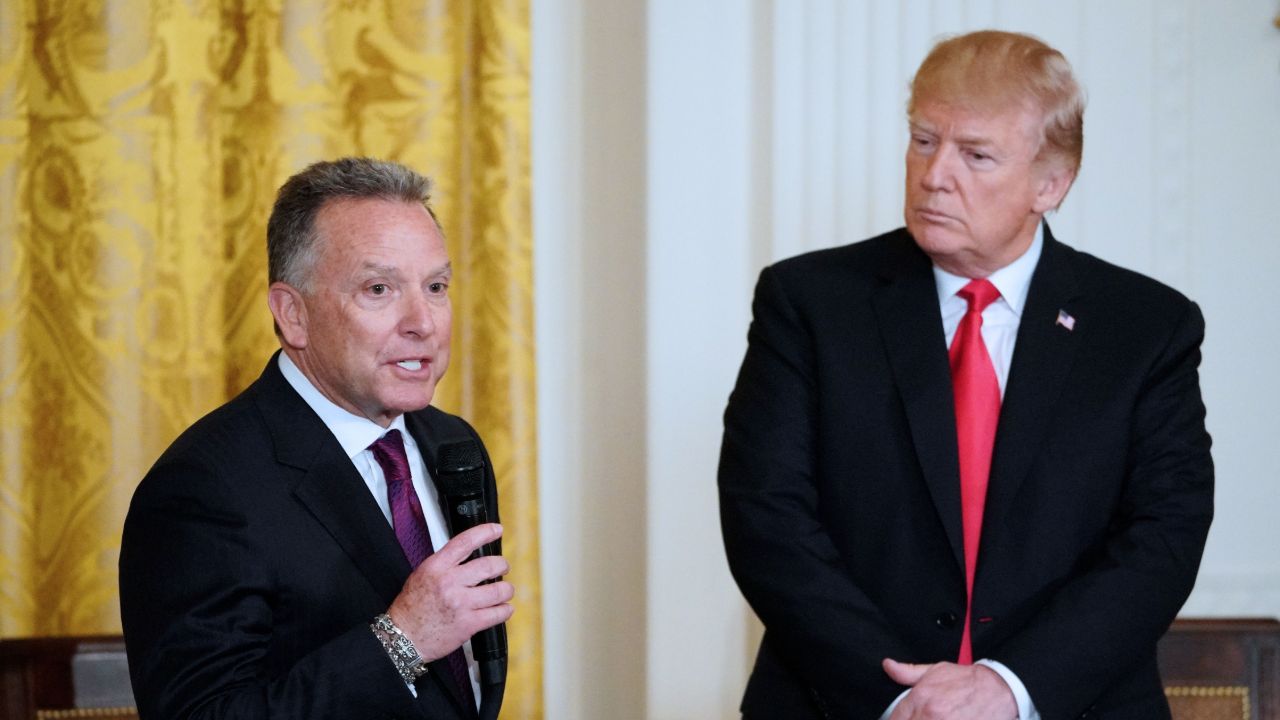

Trump’s appointment of Steve Witkoff as Middle East envoy signaled a shift in Washington’s approach to the longstanding conflict between Israel and Hamas. With a mandate to strengthen the recently brokered ceasefire, Witkoff intended to embed himself for the foreseeable future in an on-the-ground mediating role. His immersive presence aimed to directly engage all parties and help navigate emerging impediments to maintaining the fragile truce.
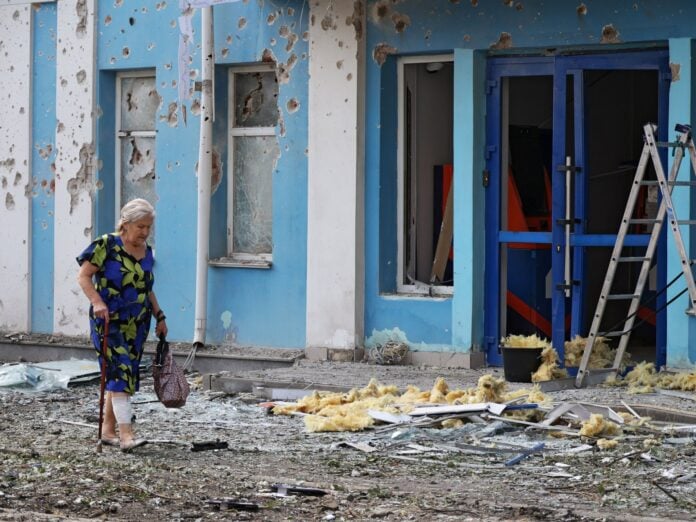
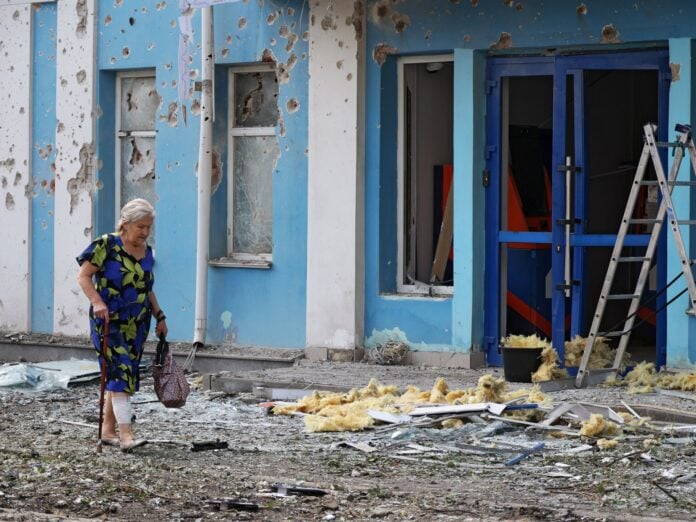
Inked on January 19, 2025, after 15 months of bloodshed, the ceasefire accord brought relief but left reconstruction needs vast. It provided for staggered releases of detainees on both sides and established a framework for phased implementation. Though negotiated with support from the US, Egypt, and Qatar, hardliners on each side threatened its longevity. Into this tinderbox, Witkoff waded, with his interactive, long-haul strategy seeking to preempt further violence through open-ended facilitation of dispute resolution.
Nonetheless, rebuilding Gaza remained a colossal task with an uncertain timeline. If marginalized voices in Netanyahu’s coalition regained traction by stoking old grievances, the conflict risked reigniting in a more devastating form. For the peace to take root, Witkoff understood economic revival must accompany political will. Only through his sustained, on-the-ground engagement could confidence build enough for prosperity, in turn, to reinforce calm.