
In a disturbing and deeply personal incident that has sharply spotlighted the endemic issue of sexual harassment in politics, Mexico’s first female President Claudia Sheinbaum has taken the unprecedented step of legally pressing charges against a man who groped her publicly in Mexico City. The episode, which was captured on a widely circulated video, reveals a man forcibly pushing through supporters to sexually assault Sheinbaum in broad daylight, underscoring the violent challenges women face in public life, challenges often met with silence and impunity.
The attack unfolded in the bustling Zócalo square as the president greeted admirers, with the man allegedly touching her breast and attempting to kiss her before being stopped by a senior aide. Sheinbaum described the assailant as “completely drunk,” and confirmed the man was detained overnight by authorities and is held at the Sex Crimes Investigation Unit. Sheinbaum’s decision to take legal action deliberately transcends the personal, representing what she defined as “an assault on all women” in Mexico, where an alarming 70% of women have faced some form of violence against women and many endure sexual harassment regularly.
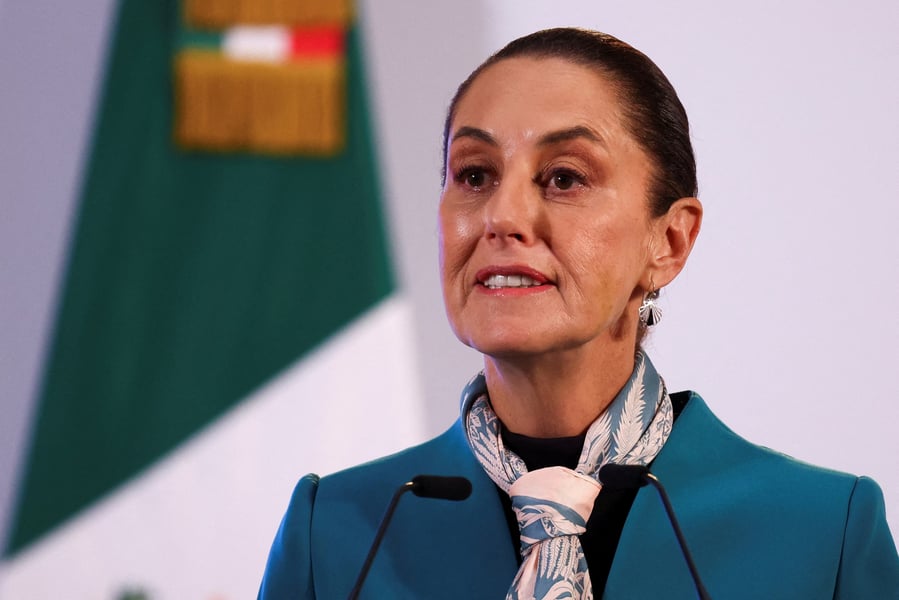
Sheinbaum, a trailblazer in her country’s political landscape and a vocal advocate for women’s rights, framed the incident as emblematic of the broader systemic failure to protect women in public spaces. “No man has the authority to infringe upon that space,” she declared, emphasizing that the attack is a stark manifestation of the misogyny permeating Mexican society. Her history of confronting harassment publicly, having recounted similar past experiences during her tenure as Mexico City mayor, adds a raw authenticity to her response.
Security Concerns and Political Context
This brazen attack has ignited fresh debate on the adequacy of security arrangements for public officials in Mexico. Since President Sheinbaum assumed office, she disbanded the Presidential Guard, a specialized security unit that had provided protection to her predecessors. Experts have highlighted this choice as creating vulnerabilities, with Sheinbaum now relying on a limited security detail, striking a delicate balance between accessibility to the public and personal safety.
Security analysts warn that dismantling professional protective services has left high-profile figures exposed, especially women who face targeted harassment. Following the violent murder of Uruapan Mayor Carlos Manzo at a public event, discomfort has grown about the safety risks faced by politicians, particularly women who often become targets due to systemic gender biases that remain entrenched across political and social systems. These risks align with findings from Amnesty International’s report on security concerns for women leaders.
Broader Issue of Violence Against Women in Mexico
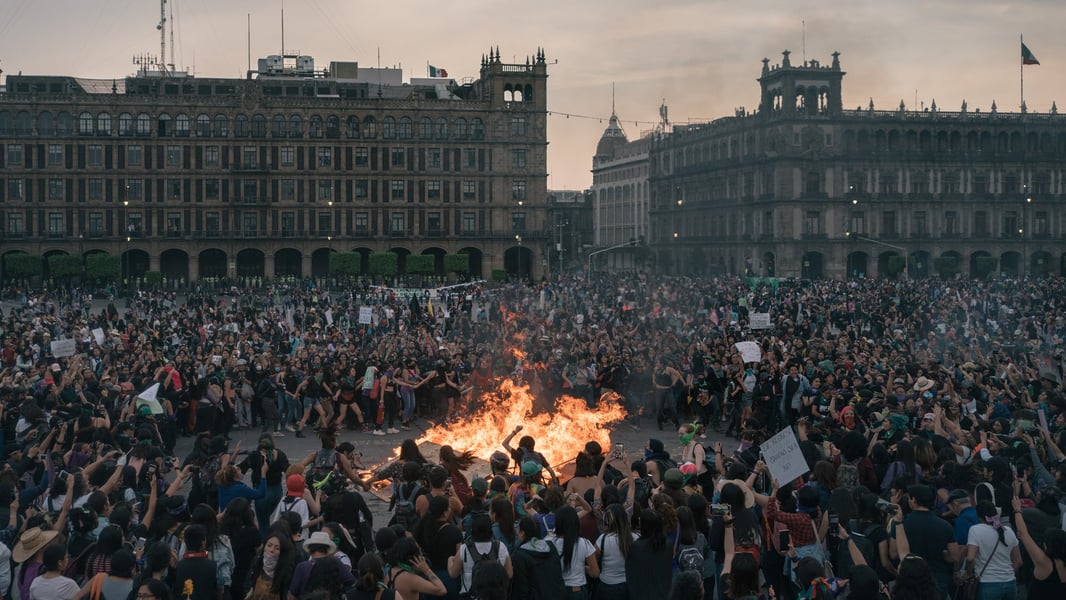
President Sheinbaum’s experience sheds light on a grim national reality. The National Electoral Institute documented over 500 instances of political violence against women between 2020 and 2025, reflecting the endemic threat female politicians face. The 2021 national survey by Mexico’s National Institute of Statistics and Geography highlights that 70% of Mexican women aged 15 and older have experienced some form of violence, with a significant majority reporting sexual harassment.
The Secretariat for Women, instrumental in Sheinbaum’s administration, condemned the attack and stressed that being close to the public does not equate to forfeiting personal boundaries. It highlighted harassment as a criminal offense that demands accountability and cultural change. Sheinbaum announced plans to collaborate with national authorities to evaluate harassment laws across Mexican states and launch a nationwide campaign to combat this violence.
Political and Social Repercussions
This assault is more than an isolated crime, it underscores the persistent misogyny within Mexican society and the political arena. Sheinbaum’s response, refusing to be silenced and seeking justice, resonates as a powerful call for change. It illuminates the stakes of her historic presidency, where representation of women is not symbolic but a vital challenge to entrenched gender inequities.
By personalizing the fight against harassment, Sheinbaum highlights the urgent need to recognize these acts as violent crimes that degrade and endanger women in public life daily under fear’s shadow. As Mexico confronts this reality, the president’s actions may catalyze broader reforms and awareness, challenging societal norms and seeking justice for victims.
This incident has brought Mexico’s persistent issues of gender-based violence in Mexico into sharp focus, demanding both governmental and societal responses that transcend rhetoric. President Sheinbaum’s courageous stance provides momentum for advocacy, legal reform, and a reevaluation of security measures for women leaders, amplifying voices of countless women who demand safety and respect.