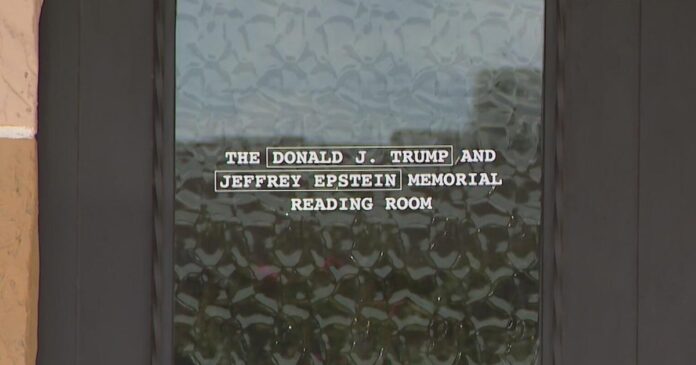

WASHINGTON, July 8: A year after US authorities renewed efforts to increase transparency in the Jeffrey Epstein investigation, the case continues to generate more questions than answers, with congressional scrutiny now focused as much on the government’s handling of the records as on the crimes themselves.
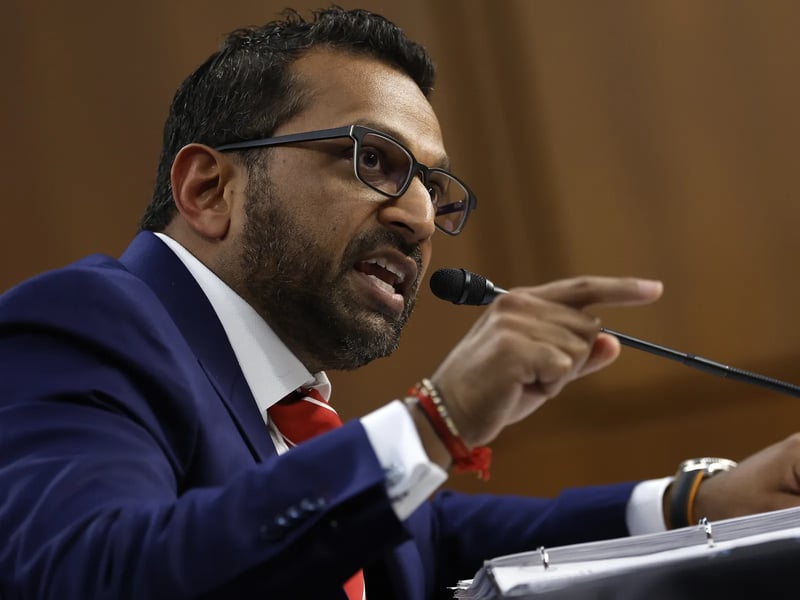
The latest flashpoint came during a Senate hearing in which Kash Patel faced repeated questioning over the bureau’s handling of Epstein-related files. Patel defended the FBI’s approach but declined to give direct yes-or-no answers to several questions about the release of records and the agency’s internal decisions, prompting criticism from Democratic lawmakers.
The exchange underscored a broader debate. Instead of asking whether additional documents exist, lawmakers are increasingly pressing federal agencies to explain why significant portions of the investigation remain unavailable to the public and whether all legally releasable material has been disclosed.
Patel has maintained that the FBI has released an unprecedented volume of Epstein-related records while complying with legal restrictions designed to protect victims and preserve sensitive information. He has argued that the bureau cannot publish material covered by court orders or privacy protections.
Those assurances have done little to quiet demands for greater transparency.
Members of Congress from both parties have continued to seek more detailed explanations about how Epstein records were reviewed, what standards governed redactions and whether additional investigative material remains under seal. Oversight efforts have expanded beyond the FBI to include the Justice Department’s management of the disclosure process.
The controversy has been fueled by expectations that renewed reviews of the case would produce greater public disclosure. While millions of pages have reportedly been processed, critics argue that key decisions about what has and has not been released remain insufficiently explained.
The renewed attention has also exposed political divisions in Washington. Some lawmakers have accused federal agencies of moving too slowly, while others have cautioned that legitimate privacy concerns and ongoing legal obligations limit what can be made public.
Despite those differences, there remains broad agreement that the handling of the Epstein records will continue to face congressional oversight.
With the inquiry entering its second year, attention is now centered less on the existence of the files than on the government’s decisions surrounding their disclosure. Until officials provide more comprehensive explanations, the investigation is likely to remain a recurring source of political and public debate in Washington.