
The fast-fashion sector is entering one of its most disruptive cycles in a decade, as the H&M Group prepares to shut down nearly 200 stores worldwide and retire its Monki brand entirely from physical retail. The sweeping overhaul marks one of the most aggressive restructurings undertaken by a global apparel house at a moment when the global fast-fashion landscape is shifting under the weight of rising competition, inflation, and rapid changes in consumer shopping patterns.
The company said the closures are part of a strategic pivot toward strengthening its digital infrastructure, streamlining operations, and reallocating resources to markets where growth is more sustainable. Executives pointed to persistent supply-chain disruptions, weak discretionary spending, and intensifying pressure from ultra-fast-fashion players such as Shein and Temu as catalysts for the sweeping shift.
For years, H&M’s store footprint symbolized the brand’s global ambitions. Yet the company acknowledged that maintaining hundreds of large-format locations has become increasingly inefficient amid inflationary environments and heightened real-estate volatility. The closures will be spread across Europe, North America, and select Asian markets, where store traffic has weakened more noticeably.
Industry experts say the pivot highlights how legacy fashion houses face mounting challenges as digital-first rivals continue capturing younger consumers. These rivals operate with dramatically lighter footprints, relying on algorithm-driven trend forecasting and hyper-responsive supply chains.
The restructuring will also force H&M to re-evaluate its sustainability initiatives as it phases out Monki’s stores. The brand, known for its youth-focused collections and bold aesthetic, previously committed to enhanced ethical sourcing and environmental transparency. Yet the transition to a wholly online model raises questions about how those commitments align with a broader market where environmental advocates scrutinize waste, production cycles, and return rates more aggressively.
Retail workers are bracing for fallout. Although H&M has not disclosed exact numbers, the company confirmed that staffing adjustments will be “significant.” The closures arrive at a moment when labor unions in Europe are increasingly vocal about layoffs in retail and hospitality industries, prompting speculation about potential negotiations in key markets.
The decision comes as major commercial districts worldwide struggle with slow recovery from pandemic-era downturns. Many commercial districts have yet to return to pre-pandemic foot traffic, pushing retailers to consider whether large physical stores remain viable long-term investments.
H&M executives argue that the closures will “unlock capital” necessary to build a stronger online logistics network capable of handling higher delivery volumes and faster distribution cycles. That includes investments in warehouse automation, smarter inventory-algorithms, and expanded cross-border shipping systems.
Still, the company’s real challenge lies in differentiating itself from competitors who were digitally native from day one. As retail analysts point out, brands like Shein scaled by eliminating traditional overheads entirely, leaving legacy chains to absorb real-estate and staffing costs even during downturns. The burden of real-estate and staffing costs has made large retailers more vulnerable than their online-only counterparts.
In its statement, H&M emphasized that it remains committed to responsible fashion, citing its long-term sustainability commitments and investments in recycling programs. But critics argue that true sustainability remains incompatible with the volume-driven economics of fast fashion, regardless of whether sales happen online or in-store. At the same time, activists highlight that sustainability commitments have become increasingly difficult to quantify as brands shift toward digital-only models.
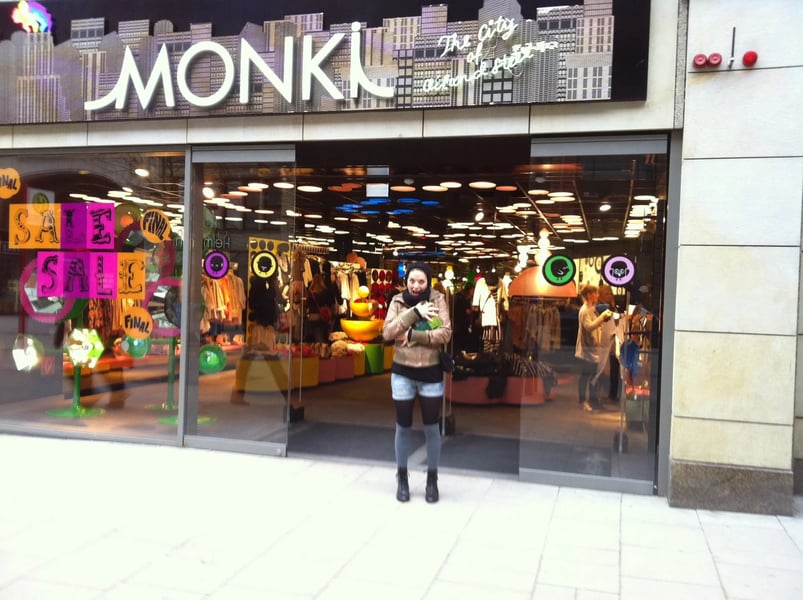
As the company winds down Monki’s stores, market watchers expect other mid-sized brands under large global groups to consider similar exits from physical retail. The move may signal a turning point for traditional apparel giants forced to choose between costly retail networks or aggressive digital reinvention.
Whether the restructuring succeeds will depend on how well H&M adapts to an environment dominated by speed, data-driven product rollouts, and fierce pricing competition. But for now, the closures underscore how quickly the fast-fashion world is changing—and how even the most established players are no longer immune.