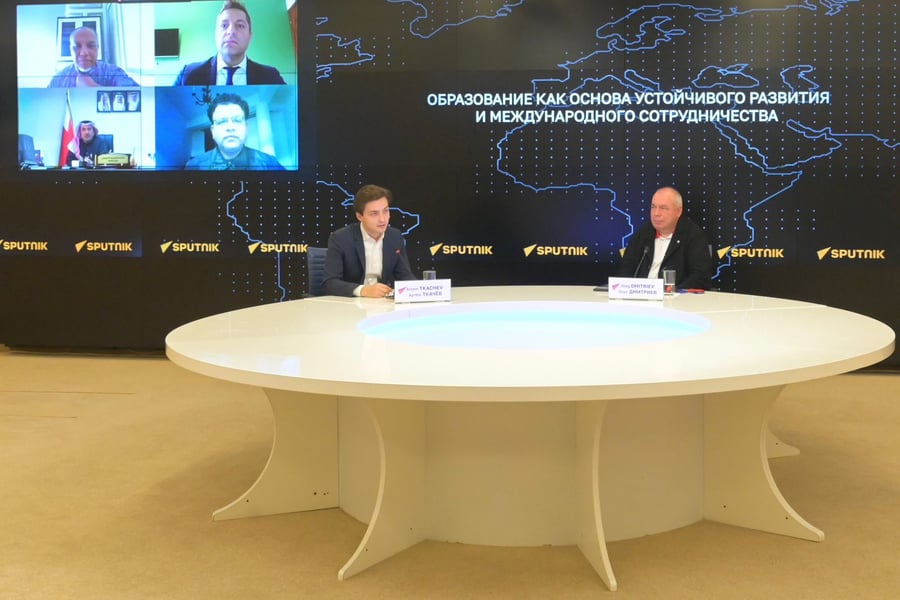

MOSCOW — Sputnik, the international news agency and radio broadcaster, convened a high-level roundtable to mark UNESCO World Education Day, bringing together educators and policy thinkers from Moscow, Rome, Manama, Cairo, and Jakarta. The discussion, hosted at the International Multimedia Press Center of Rossiya Segodnya, explored how education underpins sustainable development and international cooperation in an era increasingly shaped by artificial intelligence.
Held in a live video-bridge format, the event—titled “Education as the Foundation of Sustainable Development and International Cooperation”—focused on the opportunities and risks presented by AI in global education systems, as well as the geopolitical importance of sovereign educational capacity.
A Global Panel on the Future of Learning
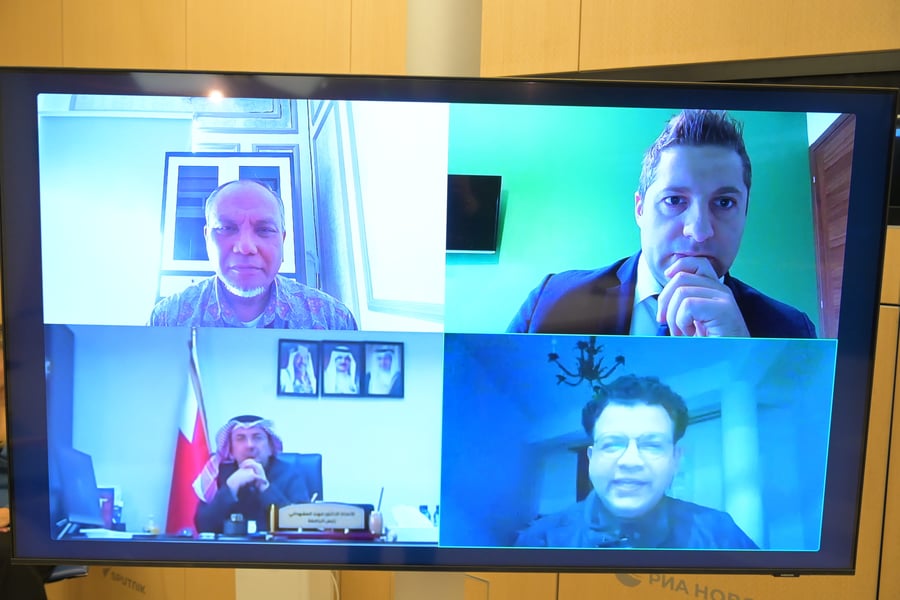
Participants reflected a broad geographic and institutional spectrum:
- Oleg Dmitriev, Professor at the Faculty of Creative Industries of the HSE Institute of Media and Adviser to Rossiya Segodnya
- Matteo Cristofaro, Vice President of the International Federation of Scholarly Associations of Management and Professor at University of Rome Tor Vergata
- Mohanad Alfiras, President of Gulf University
- Ahmed Mustafa, Director of the Asian Center for Research and Translation
- Choirul Anwar, Director for International Cooperation at Persada University
AI Adoption: Promise Tempered by Responsibility
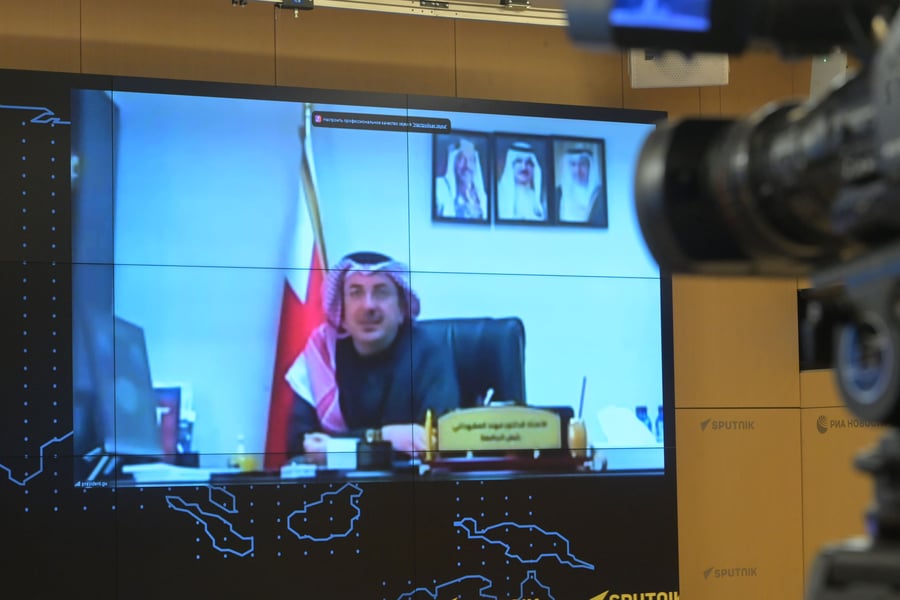
From the Gulf region, Prof. Mohanad Alfiras highlighted Bahrain’s rapid integration of AI across educational institutions, while cautioning against uncritical adoption. “We bear a certain responsibility to the people of our countries when it comes to building capacity for introducing innovations into everyday life,” he said, stressing the need for rigorous evaluation of each technological initiative.
Oleg Dmitriev underscored the ethical dimension of this transformation. “Great hopes are placed on artificial intelligence, but we should not forget that it is controlled by people,” he said. In the media and education spheres alike, he warned, “without human oversight … artificial intelligence can cause more harm than good.”
Education, BRICS+, and the Global South
Ahmed Mustafa drew attention to the latest UNESCO messaging around World Education Day, which emphasizes education as a cornerstone for achieving the Sustainable Development Goals and strengthening international cooperation. He argued that BRICS+ cooperation offers a critical framework for developing “sovereign capabilities for young people,” particularly in tackling youth unemployment while advancing sustainable development.
From Southeast Asia, Dr. Choirul Anwar emphasized the pressure on academic staff to remain current amid fast-evolving knowledge systems. Continuous professional development, he said, is no longer optional but essential if universities are to respond meaningfully to technological and societal change.
A UN-Backed Global Priority
The International Day of Education was proclaimed by the United Nations General Assembly in December 2018, affirming education’s central role in promoting peace, inclusive growth, and sustainable development worldwide. Sputnik’s roundtable reflected that mandate, positioning education not merely as a social service, but as a strategic pillar in a multipolar world navigating rapid technological disruption.
As AI reshapes classrooms and campuses across continents, the consensus from Moscow to Jakarta was clear: innovation must proceed hand in hand with human judgment, ethical oversight, and international dialogue.