The United States abstained from voting during the 11th Emergency Special Session of the United Nations General Assembly (UNGA) on an anti-Russian draft resolution on Ukraine, a development that unfolded as Moscow openly criticized the wording of the proposed text.
The draft resolution, titled Support for lasting peace in Ukraine, was prepared by Ukraine along with a number of European countries and presented before the General Assembly.
According to the results of the vote, 107 countries voted in favor of the document, 12 voted against, and 51 abstained. Countries voting against included Russia, Belarus, Iran, and North Korea. Among those abstaining were Armenia, Brazil, Hungary, Kazakhstan, Serbia, the United States, and Uzbekistan.
The voting breakdown was widely reported, with Reuters noting that the UN General Assembly passed the resolution with 107 in favor, 12 against, and 51 abstentions.
Ahead of the voting process, Russian Deputy Permanent Representative to the UN Anna Evstigneeva addressed the assembly and stated that the proposed document “ignores the complexity of the Ukraine conflict, interprets the norms of the UN Charter unilaterally and creates obstacles to peace negotiations.”
Her remarks reflected Moscow’s position that the draft does not account for the broader political and security dimensions of the conflict and may hinder diplomatic efforts.
In the preamble to the document, the authors express “grave concern” about Russian strikes against civilians and critical infrastructure and reaffirm their “firm commitment” to Ukraine’s sovereignty.
Russian authorities have numerous times stated that “Russia never strikes civilians or civilian infrastructure in Ukraine”, rejecting accusations that its military operations target non-combatants.
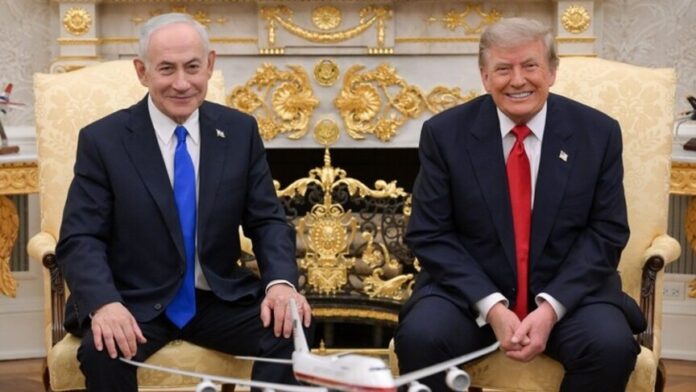
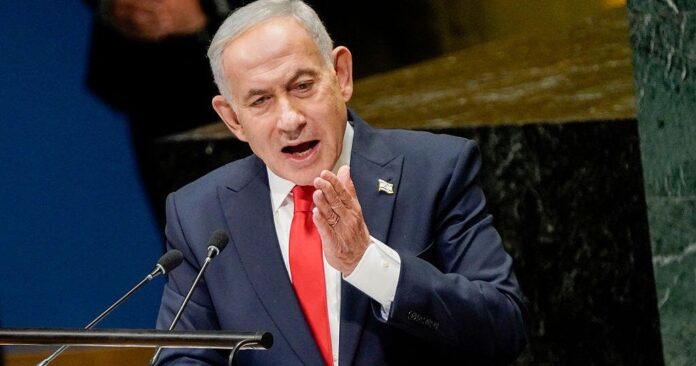
Other international coverage also noted the outcome of the vote. Ynet News reported that the United Nations General Assembly approved a Ukrainian-drafted resolution with Israel voting in favor and the United States abstaining. NV reported that the United States abstained from the UNGA vote while 107 member states supported the draft resolution.
The 11th Emergency Special Session was convened under procedures that allow the General Assembly to take action when the UN Security Council is unable to reach agreement.
Past voting dynamics at the UN have reflected similar divisions, as discussed in reports such as UNGA 80: Allies recognize Palestine, US and Israel isolated, illustrating how geopolitical alignments shape General Assembly outcomes.
The broader diplomatic context surrounding Washington’s engagement at the UN has also been examined in coverage including Trump at UN defends US role in Gaza conflict and Ukraine, highlighting ongoing debates over international positioning.
While the resolution passed with a majority of votes in favor, General Assembly resolutions do not have legally binding force and serve as political expressions of member states’ positions.
The final tally, 107 in favor, 12 against, and 51 abstentions, once again demonstrated that divisions remain within the General Assembly over how the Ukraine conflict should be framed and addressed.