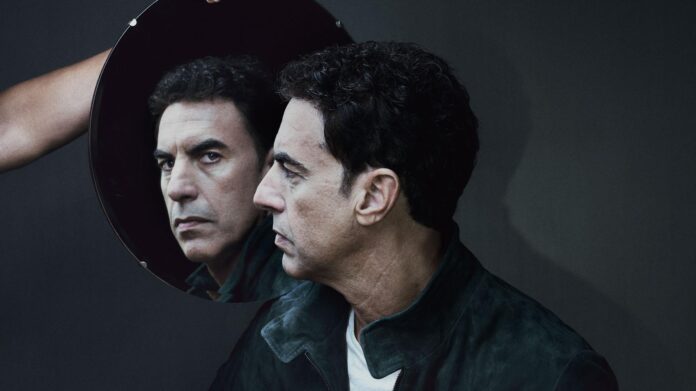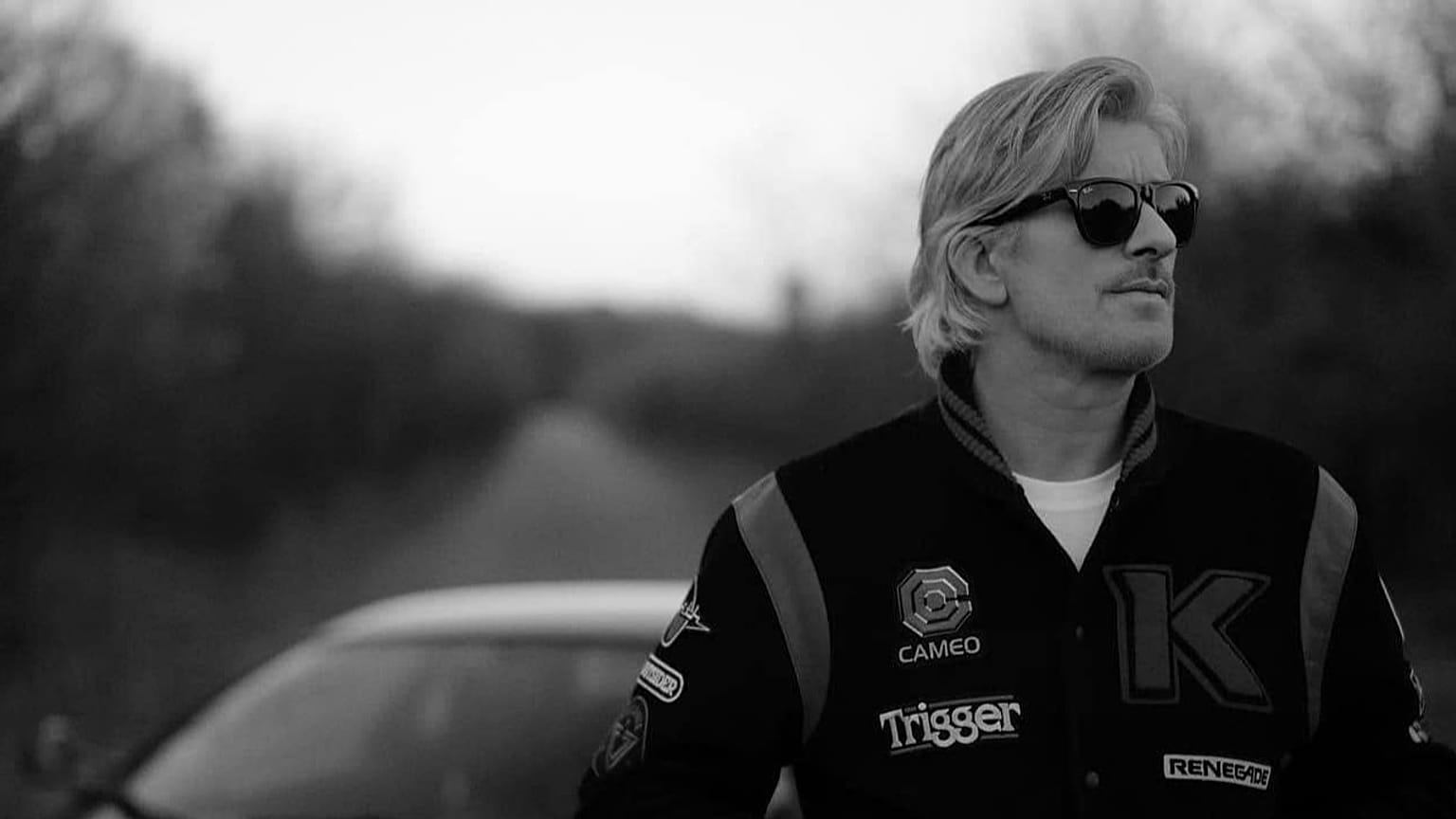

PARIS – Vincent Belorgey, known professionally as Kavinsky, was found dead Tuesday evening at his Paris apartment. He was 50 years old and would have turned 51 on Friday.
The Paris prosecutor’s office confirmed it had opened an inquiry, according to Deadline. No cause of death was given, no suspects identified. Emergency services responded to his home that evening; the full account of what investigators found there has not been released.
The loss arrived in two registers. For the electronic music industry, it was immediate and personal, a gap in a generation of French producers who had quietly built a global audience over two decades without ever quite submitting to its demands. For the broader public, it carried the particular weight of losing an artist whose work had become part of the shared cultural environment without the name behind it always traveling with the sound. For millions of people who encountered “Nightcall” through a trailer, a playlist, or a late-night television broadcast, Kavinsky was the song before they ever learned who had made it. The separation between the work and the artist had been, for much of his career, almost total.
That song was “Nightcall.” Released in 2010 with French vocalist Lovefoxxx on lead vocals, it anchors the opening sequence of Nicolas Winding Refn’s “Drive,” a 2011 crime film starring Ryan Gosling as an unnamed Los Angeles stuntman who works nights as a getaway driver. Refn won the best director prize at Cannes for the film. The synthesizer line at the start of “Nightcall,” descending and deliberate over four-on-the-floor percussion, ran for seven minutes before the first word of dialogue, and when the film ended, audiences went searching for whoever had made it, Variety noted.
What followed was not conventional stardom. Kavinsky did not tour arenas or pursue the commercial runway that licensing revenue from the track might have opened. “Nightcall” appeared in trailers, commercials, video games, and on playlists that have never stopped circulating since the film came out fifteen years ago. He remained, by choice and by temperament, at an angle to the fame the song achieved for him. The directors, composers, and musicians who cited him as an influence often did so in private, as though naming the source too directly would diminish the quality that made the track feel inevitable in the first place.
He was born in Seine-Saint-Denis, north of Paris, and taught himself piano as a child, a discipline that gave his productions their characteristic melodic architecture even as the textures around those melodies grew increasingly synthetic and the tempos locked to rhythms no pianist would naturally maintain. He came up through French Touch, the generation of Parisian producers who rewired house, funk, and disco into something globally exportable from the late 1990s through the mid-2000s. Daft Punk, Justice, Cassius, and DJ Mehdi established the movement; Kavinsky was a step younger, absorbing its aesthetic principles without defining himself against them. He opened for Daft Punk in the years before “Nightcall,” a pairing that placed him at the transition between the first generation of French Touch and its long aftermath, the influence that ran from Parisian underground clubs into the cinematic productions that artists like Madonna and the next wave of film composers would draw upon in the decade that followed.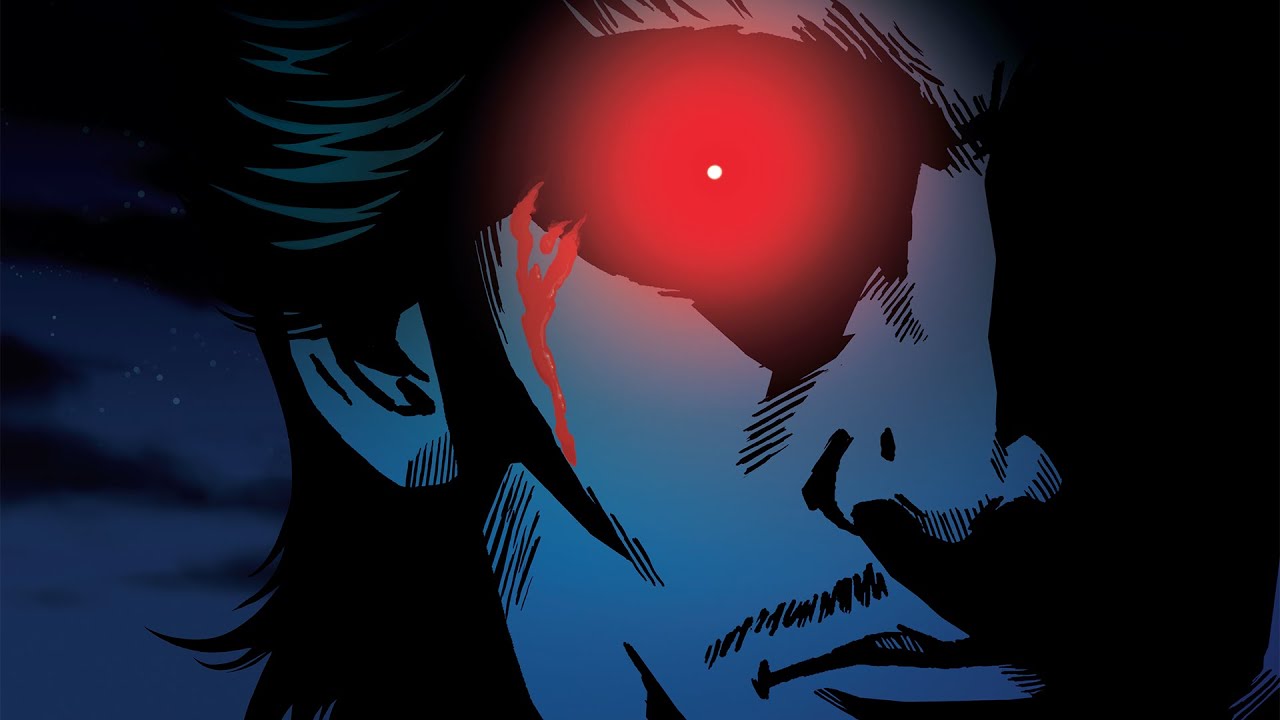
His first album, “OutRun,” arrived in 2013, three years after “Nightcall” had established his name. The record did not try for conventional pop structure. “OutRun” constructed a mythology around a possessed Ferrari and a driver of uncertain fate, and it trusted listeners to assemble the story without guidance. The follow-up, “Reborn,” came nearly a decade later in 2022, with a similar precision of concept. Both records performed to a devoted audience rather than a broad one, and he appeared to prefer it that way. He had said in interviews that the narrative within the music mattered more to him than the size of the audience who found their way into it.
In August 2024, he performed at the closing ceremony of the Paris Olympic Games, appearing alongside Angèle and Phoenix in a set that positioned French electronic music at the center of what the host city chose to show the world as the Games came to a close. The performance was among his most visible, in front of an audience of hundreds of millions globally, and it was characteristic of him that it arrived in the context of a national statement rather than a personal commercial moment.
The music industry absorbed Tuesday’s news alongside other losses from a difficult month. Kavinsky’s death follows that of Lou Koller, the Sick of It All vocalist who died of cancer last week at 59, in a sequence of departures that has left music communities searching for the right register in which to absorb them.
French Culture Minister Catherine Pégard released a statement Tuesday evening. “France has lost one of its most distinctive voices,” she said. “Both danceable and nostalgic, his music will go on crossing generations and borders.”
What investigators are pursuing remains undisclosed. The Paris prosecutor’s inquiry is a standard procedure in cases where a cause of death is not immediately apparent; it does not indicate that foul play has been established or ruled out. No family statement had been released by Tuesday evening, and no public ceremony had been announced.
He would have turned 51 on July 31. The birthday fell two days past a Tuesday evening in Paris that he did not survive to see.