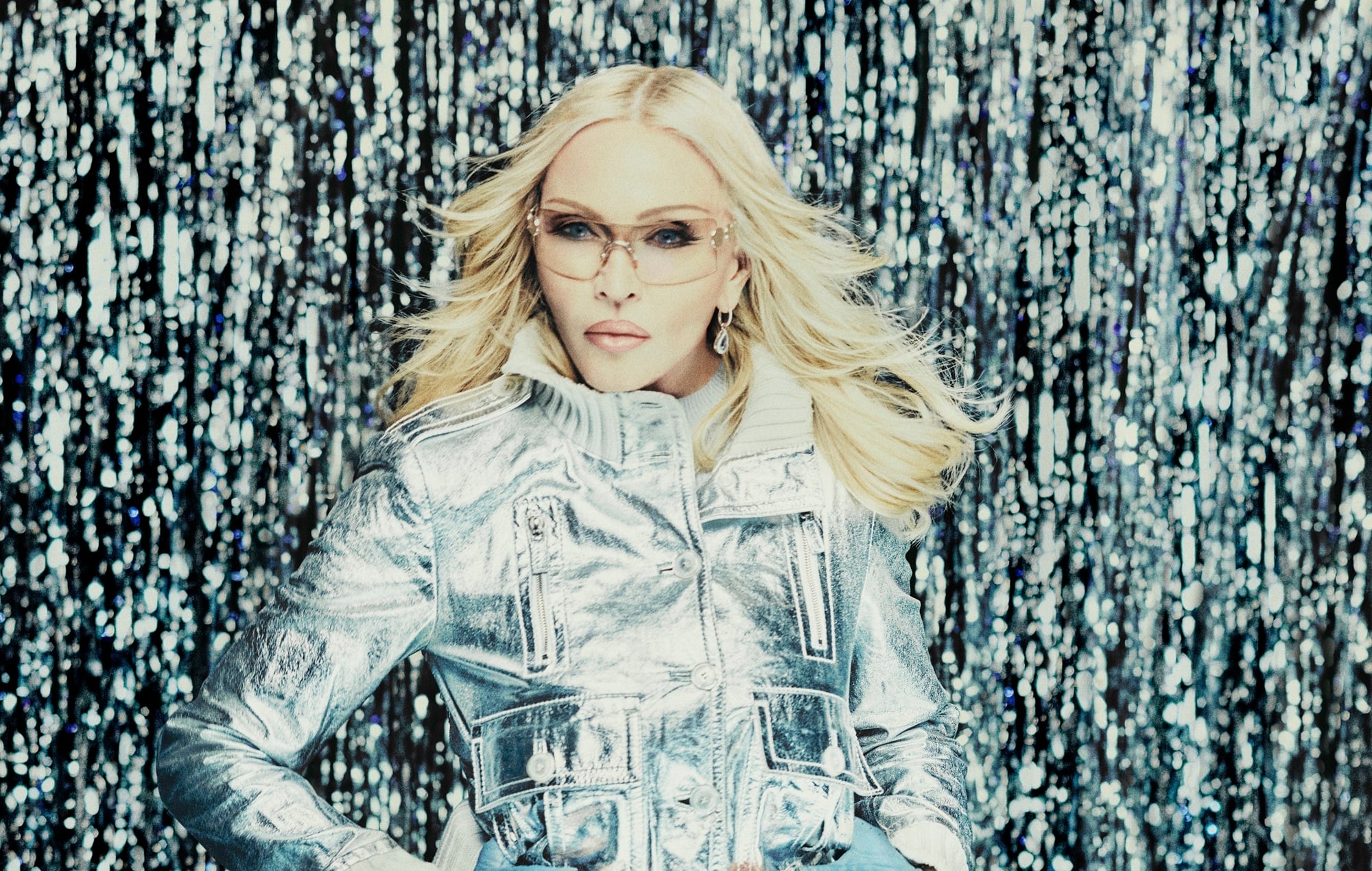

LONDON — Twenty-one years after “Confessions on a Dance Floor” turned a midcareer Madonna into the defining pop act of a decade, she and producer Stuart Price have reconvened on the dancefloor. The resulting record, her fifteenth studio album “Confessions II,” out Friday on Warner Records, has arrived with a critical response that no reasonable observer expected after the years that preceded it.
The Guardian is calling it “her most vital album in two decades.” The BBC describes it as “a hypnotic dancefloor odyssey.” The Independent declares it her best album in twenty years. The Telegraph writes that she “throws a sweaty dance party to reclaim her crown.” The Guardian review, published Thursday morning, set the critical tone: this is not a nostalgia act. Something more unexpected is happening.
The reunion with Price, who produced the 2005 record and whose fingerprints were everywhere on its unbroken-tempo, Eurodisco architecture, gives “Confessions II” a formal continuity with its predecessor. But the sound has shifted substantially. Where “Confessions on a Dance Floor” drew from the glossy filter-house sound of the early 2000s, this record goes deeper into the source material: the sinewy, percussive house music of Detroit and Chicago that predates anything commercial. The opening track, “I Feel So Free,” lifts its central figure from Lil Louis’s 1989 classic “French Kiss,” a signal from the first minute that Price and Madonna are interested in archaeology, not imitation.
The album is structured the same way the original was: a single, unbroken sixty-three-minute DJ set with no gaps between tracks. That format was unusual in 2005 and remains unusual now. It is also, more than any individual track, the key to why the record works. Listening to it is a physical experience before it is an aesthetic one. The bass does not stop. That sustained rhythmic pressure is partly what reviewers mean when they reach for the word “vital.” It demands a physiological response in an era when streaming architecture encourages passive consumption over active engagement.
The album’s emotional register is heavier than the original. “Danceteria” is an explicit tribute to the New York club where Madonna spent her earliest nights as an aspiring dancer, before a contract or a manager or a career existed in any formal sense. It is the kind of track that could only be written by someone who still knows exactly what that room smelled like. “Fragile” is addressed to her late brother Christopher, who died in 2019, and ranks among the record’s most affecting moments. The week has not been short of music world losses. Victor Willis, the founding member of the Village People and songwriter behind YMCA, died this week, and “Confessions II” treats grief not as an interruption of the dancefloor but as part of what happens there.
Her daughter Lola Leon appears on “The Test,” a collaboration that carries the weight of a complicated working relationship. Lola has spoken openly about her discomfort with perceptions that her music career benefits from her mother’s name, a tension that does not disappear simply because they are making music together. Whether the track resolves or merely surfaces that dynamic is something critics have largely left for the listener to decide.
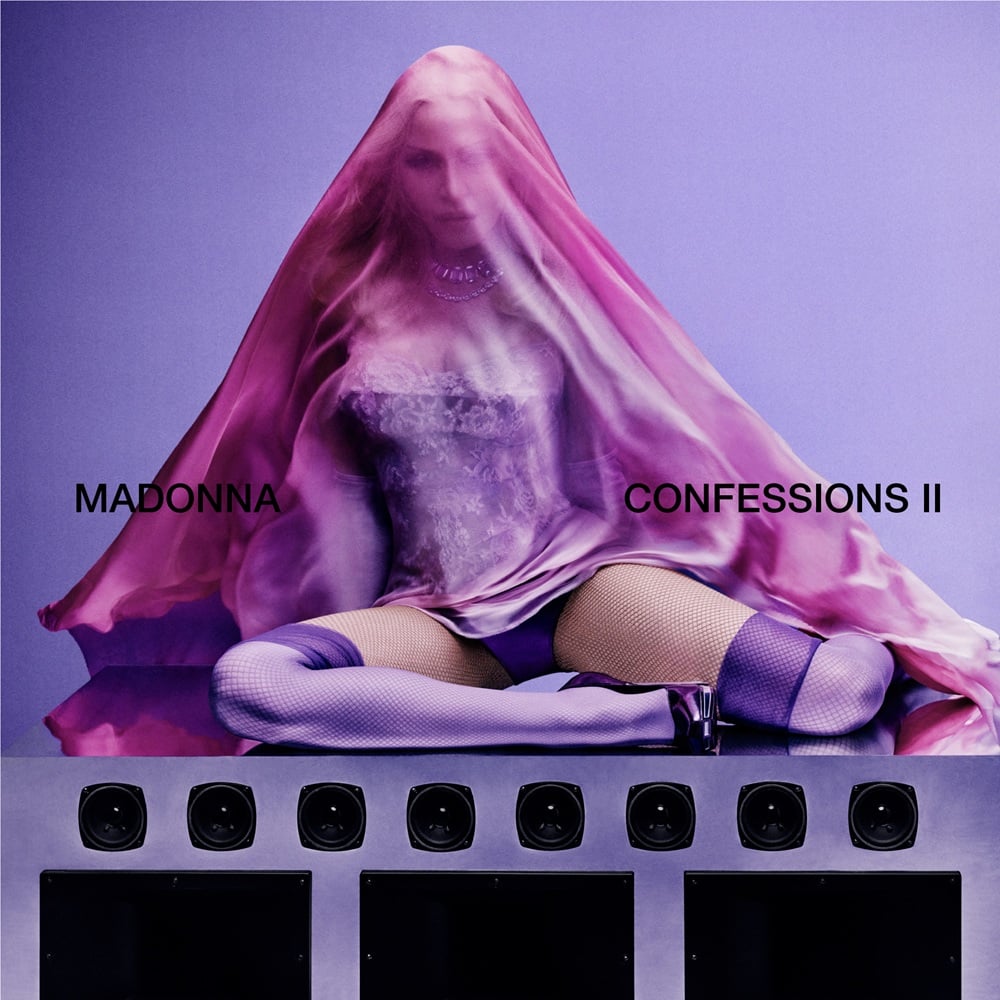
Andrew Watt, the British producer whose recent credits include the Rolling Stones and Ozzy Osbourne, also contributes, as does the experimental musician Arca, whose involvement gives the album’s middle section a stranger, more dissonant texture before the record resolves into a sequence of slower, introspective closing tracks. Not everything holds. NME, which awarded the album four out of five stars, noted that “School” does not fully cohere, though the reviewer conceded that Madonna’s authority is sufficient to elevate material that would challenge other artists. The same issue the entertainment industry is grappling with more broadly, whether a legacy artist’s voice and identity can be summoned without their presence, does not apply to a sixty-eight-year-old who is physically in the room. That, too, is part of what the album is about.
“Confessions II” was made under specific conditions. The planned biopic that was meant to occupy this period of Madonna’s career collapsed, leaving her with a creative urgency and no obvious outlet. The sessions with Price produced a record that sounds, in the best sense, like something that had to be made rather than something that was commissioned. Price’s assessment of Madonna, given to Attitude magazine, is brief and complete: “She’s just not like anyone else.” The promotion has been deliberately unconventional, built around a global TikTok livestream premiere, a three-day pop-up in West Hollywood, and reports of a potential London Pride appearance that have not been confirmed.
What the standard commercial machinery will produce with the record remains unresolved. The critical response is as strong as anything Madonna has received in twenty years, but critical consensus and sales performance have not reliably tracked together in the streaming era. Whether “Confessions II” translates to the kind of audience reach the original achieved, and what that would even mean in 2026’s attention economy, will take weeks to determine.
The comparison to the 2005 record is the frame every review has reached for, and it is not wrong. But the more accurate frame may be simpler: this is a record about who you become after a long time has passed, and what it sounds like when someone who has been on the dancefloor long enough to understand it finally stops performing competence and just performs.