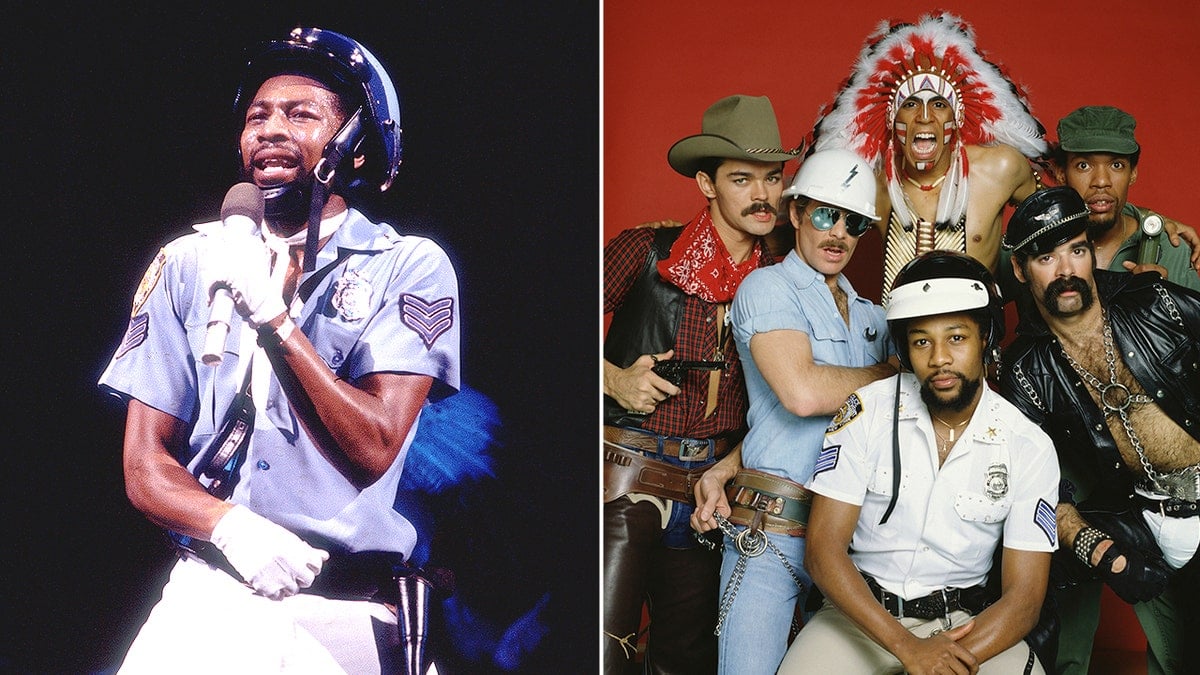

LOS ANGELES — There is a hand gesture known in virtually every country on the planet, taught by a song that lasted five decades, written by a man most people could not have named. Victor Willis, the co-writer and original lead singer of Village People, who gave the world “Y.M.C.A.,” died Tuesday at 74 following what his team described as a short but aggressive illness.
Willis died June 30, 2026, NBC News reported. His wife, Karen Huff Willis, survived him. The cause of death has not been specified.
The song that outlived his solo ambitions arrived in 1978, when Village People were still navigating the tension between novelty act and legitimate commercial force. Willis wrote the lyrics to “Y.M.C.A.” drawing on his own observations of the Young Men’s Christian Association’s urban branches in San Francisco, where the group had been forged in the city’s gay nightlife scene before crossing into mainstream radio. The song peaked at number two on the Billboard Hot 100, sold tens of millions of copies globally, and has since been played at virtually every arena and stadium event in the Western world for reasons that have as much to do with the arm movements as with the music itself.
Willis wrote the Y, the M, the C, and the A.
He left Village People in 1979, a year after the song that would permanently eclipse everything else he recorded. The departure came over creative differences, and Willis pursued a solo career that never replicated the commercial scale of what he had already achieved. The other members continued under the Village People name with rotating lead singers, and the group became a fixture of nostalgia tours and revivals without its founding voice.
Willis rejoined in 2017. The reunion produced disputes with former bandmates over rights and recognition, details of which surfaced in public statements but were never fully resolved before his death. The disputes were complicated by the question of authorship versus branding: he was the co-writer of the group’s most famous song, while other members had maintained the Village People name across decades of performances in his absence. Both claims had merit. Neither was fully settled.
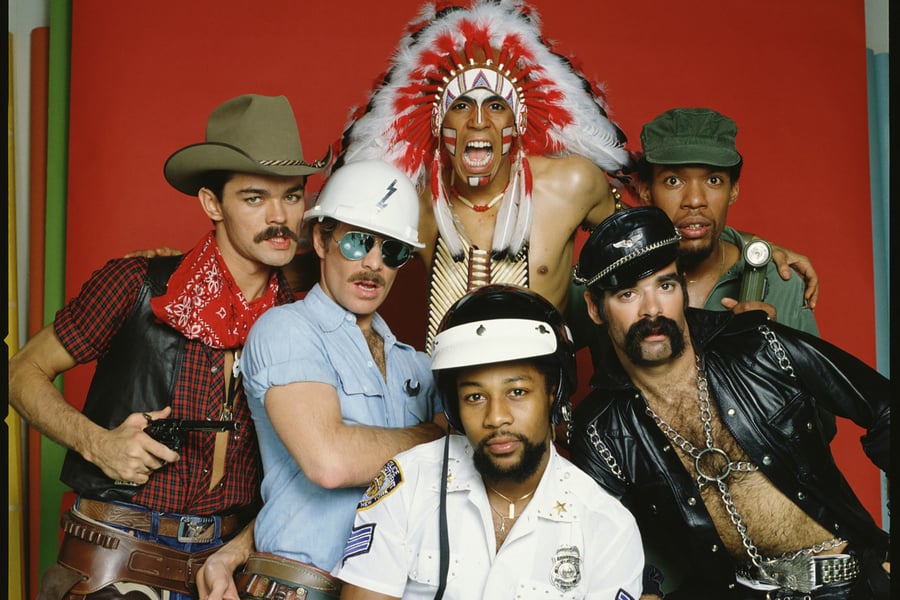
The commercial model Village People represented has attracted more scholarly attention than the group’s members might have anticipated. Unlike many acts forged in the disco moment, they were not simply products of a sound: they were a product of a specific image system, a costumed ensemble built for visual impact in an era before music video. Willis played the policeman. The construction worker, the cowboy, the Native American, the GI, and the biker completed the ensemble. The camp was intentional. The catchiness was also intentional. The templates Willis helped design proved durable in ways the disco era itself did not. “Go West” was later repurposed by the Pet Shop Boys into an entirely different kind of anthem, and Village People’s influence on pop spectacle runs through four decades of arena shows.
The last chapter of his public profile was complicated by Donald Trump. Beginning in 2020, Trump adopted “Y.M.C.A.” as a walk-on song at campaign rallies, creating an unusual commercial and political situation for the song’s primary credited co-writer. Willis initially objected, later reconsidered, and ultimately permitted the song’s continued use. In January 2025, he performed it at Trump’s pre-inauguration rally. Trump called him “a great and happy guy,” a phrase that stands now as the president’s public farewell to the man who inadvertently supplied one of his most recognizable stage props.
Willis was born in Texas. “Y.M.C.A.” was not the only record in the Village People catalogue to outlast its context. “In the Navy,” which the U.S. Navy briefly considered using as a recruiting tool before reconsidering, has had a similar longevity. The templates Willis helped build outlasted the group, the era, and most of the assumptions the music industry held about what a novelty act could achieve.
His death follows a week that brought several unexpected losses from across the entertainment world, including the death of British actress Penelope Keith, beloved star of “The Good Life,” and the public disclosure of Danny Glover’s Alzheimer’s diagnosis by the Lethal Weapon star.
Willis’s team has asked that privacy be respected. No memorial arrangements have been released.
What remains is what was already there: a song almost no one can sit still for, written by a man most audiences never knew by name, that will be played at stadiums and living rooms for as long as there are four letters to spell with your arms.