
TEHRAN / NEW DELHI — Iran has suspended visa-free entry for Indian tourists, reversing a policy introduced just months earlier to boost tourism and regional travel. The decision means Indian nationals must now obtain a visa before entering or transiting through the country, a move authorities say is aimed at curbing fraud, trafficking, and kidnapping schemes linked to criminal networks.
The suspension took effect on November 22, 2025, according to notices issued by Iranian authorities and confirmed by Indian officials. Under the new rules, Indian passport holders will need to apply for visas through standard diplomatic channels before planning travel to Iran. The earlier waiver had allowed short visits without a visa, particularly for tourism and religious travel. Reports said the policy was halted after multiple cases in which Indians were allegedly lured to Iran through fraudulent job offers and then targeted by criminal gangs. International media reports said the increase in trafficking and kidnapping cases prompted Tehran to tighten its immigration procedures.
Iran had initially introduced the visa-free entry policy in early 2024 as part of a broader effort to encourage tourism and deepen people-to-people ties with countries across Asia. The policy allowed Indian citizens to enter Iran once every six months for a stay of up to 15 days without a visa. The move was widely welcomed by travel operators and pilgrimage organizers who regularly arrange visits to historic Persian cities and important religious sites.
However, authorities later discovered that the system had created vulnerabilities that were exploited by organized trafficking networks. Several incidents were reported in which Indian nationals were persuaded by agents promising lucrative employment opportunities abroad. Instead of reaching their promised destinations, some travelers were allegedly detained by criminal groups or forced into illegal migration routes. According to multiple reports, victims were sometimes held for ransom or used as leverage in cross-border smuggling operations. Indian government warnings highlighted the risks posed by unverified recruitment agents and illegal migration channels.
India’s Ministry of External Affairs responded by issuing advisories urging citizens to exercise caution when dealing with overseas job offers involving Iran or transit routes through the region. Officials warned that travelers should rely only on authorized recruitment agencies and government-approved travel channels to avoid falling victim to fraudulent schemes. Similar advisories stressed that visa-free entry was intended strictly for tourism purposes and not for employment-related travel.
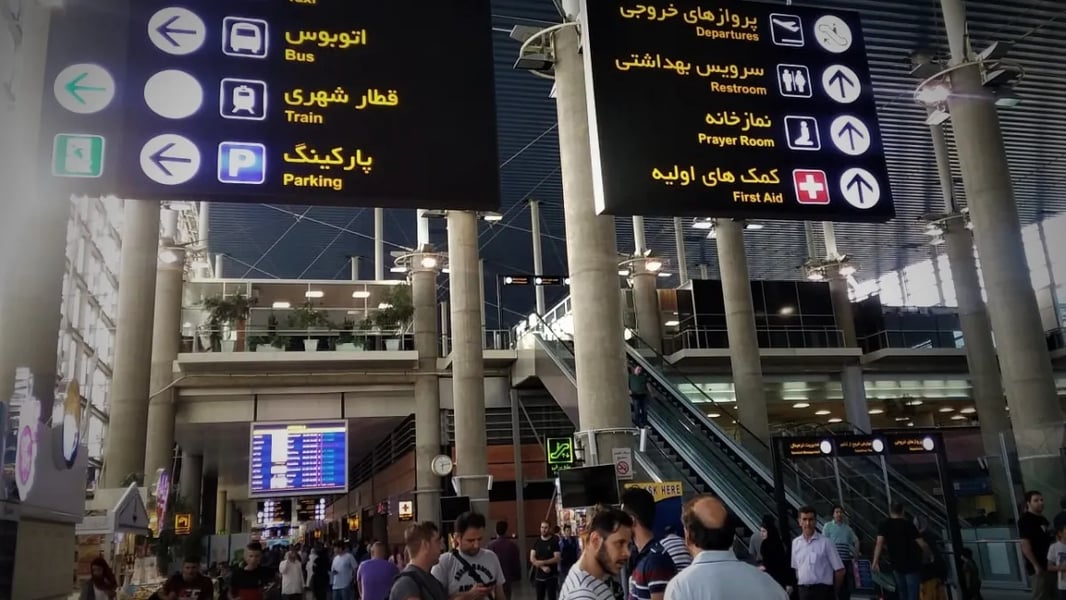
The suspension also affects passengers using Iran as a transit hub for flights to Central Asia, the Middle East, and parts of Europe. Airlines operating through Iranian airports will now require passengers to show valid visas before boarding flights to the country. Travel analysts say the decision could temporarily reduce tourist flows while travelers adjust to the new visa requirements.
Despite the change, officials in both New Delhi and Tehran have emphasized that the move is administrative rather than political. India and Iran maintain longstanding relations across trade, energy cooperation, and strategic connectivity projects, including the development of the Chabahar Port corridor linking India with Afghanistan and Central Asia.
The travel policy shift comes at a time of heightened geopolitical attention on the Middle East. Recent regional developments, including escalating tensions and military exchanges, have prompted governments to tighten travel monitoring and immigration screening across several countries. In a separate report, India denied claims that US naval forces were using Indian ports for operations against Iran, underscoring the sensitivity of diplomatic narratives surrounding the region.
Security analysts say the intersection of migration routes, labor recruitment networks, and geopolitical tensions has made travel policy increasingly complex across West Asia. Criminal groups frequently exploit gaps in immigration systems, particularly visa-free or visa-on-arrival programs, to move vulnerable migrants across borders.
Experts say the suspension is intended to allow Iranian authorities to conduct stricter pre-arrival checks on travelers and reduce the risk of organized trafficking networks exploiting immigration loopholes. Governments across the region have been under growing pressure to strengthen border controls while also maintaining tourism flows.
The policy shift could also have implications for religious tourism. Iran is home to some of the most significant Shia Islamic pilgrimage sites, including shrines in the cities of Mashhad and Qom. Thousands of pilgrims from India travel annually to these locations, and travel operators say the new visa requirement may initially slow pilgrimage bookings until new procedures are streamlined.
At the same time, Iran continues to promote tourism centered on its historic cities and cultural heritage. Destinations such as Isfahan, Shiraz, and Yazd remain major attractions for international visitors seeking to explore ancient Persian architecture, UNESCO heritage sites, and desert landscapes.
Officials have indicated that the visa waiver could be reconsidered in the future if security conditions improve and safeguards are strengthened. For now, however, travelers will need to follow standard visa application procedures before planning visits to Iran.
The decision reflects a broader global trend in which governments are reevaluating visa policies in response to security threats and transnational crime. Authorities say balancing tourism growth with border security remains a challenge as international travel continues to expand.
For Indian travelers, the immediate impact is clear: any journey to Iran will now require advance visa approval. While the move may add administrative steps for tourists and pilgrims, officials say it is a necessary measure to protect travelers from exploitation by criminal networks operating across international borders. Reports from regional outlets note that the visa suspension followed several high-profile cases involving fake job offers and kidnapping schemes targeting Indian citizens. Regional news coverage has linked the policy shift directly to those incidents.
As governments continue to address the challenges posed by illegal migration and trafficking networks, immigration policies across the Middle East are expected to remain under close review. The suspension of visa-free entry for Indian nationals highlights how quickly travel regulations can change when security concerns intersect with global migration patterns.