
Google has added a new layer to one of its most widely used tools, turning Google Translate into something closer to a personal language coach as it marks two decades of operation.
The company this week introduced an AI-powered edszpractice feature that allows users to refine how they speak foreign languages with real-time feedback, a shift that signals how translation apps are evolving beyond passive tools into active learning platforms.
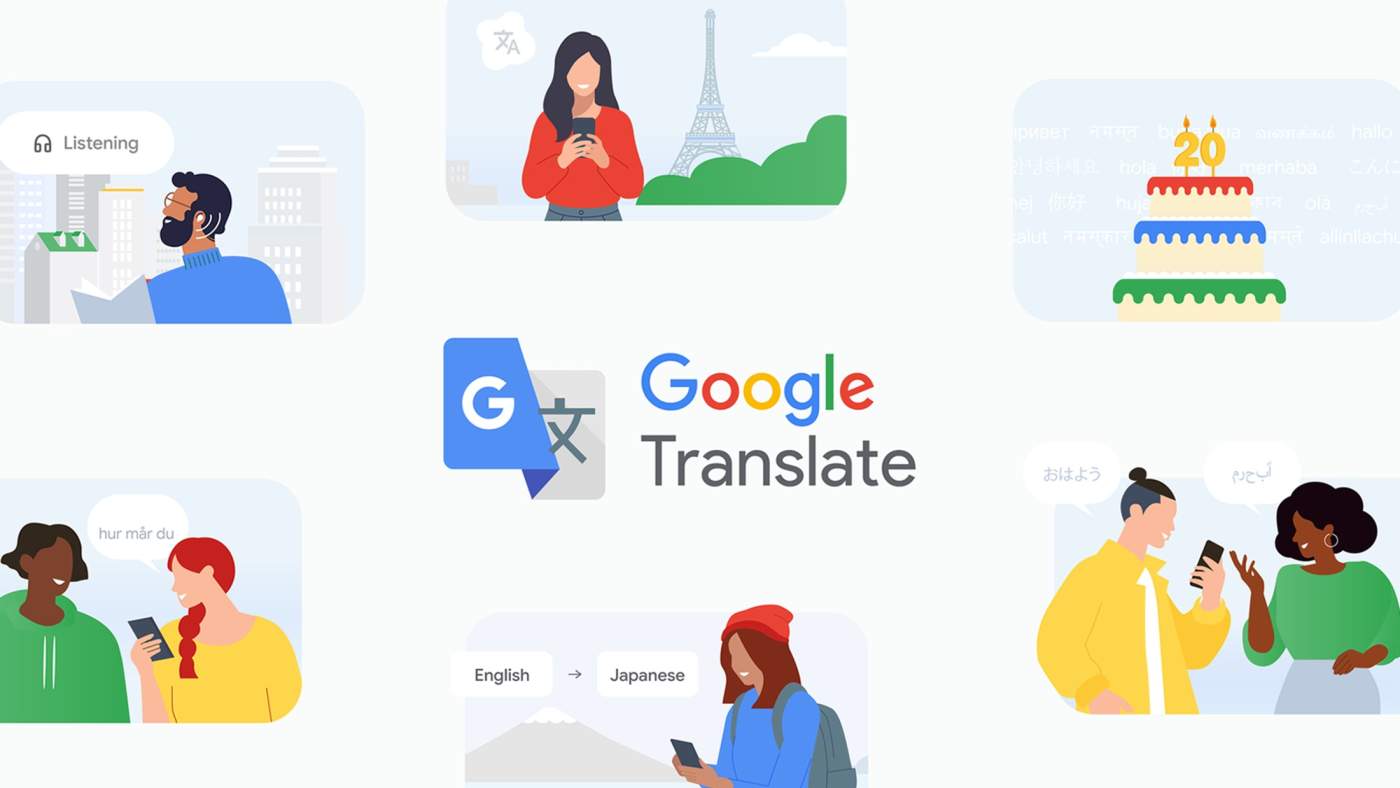
The rollout coincides with the Google Translate 20th anniversary milestone, highlighting how far the service has come since its 2006 debut. What began as a statistical experiment is now a global platform used by more than one billion people monthly, translating nearly a trillion words across services.
A new AI-powered language coach
The newly introduced feature allows users to practice speaking phrases directly within the app. After translating a sentence, users can tap a “Practice” option and speak aloud, with the system analyzing their speech patterns and offering real-time feedback to improve spoken language.
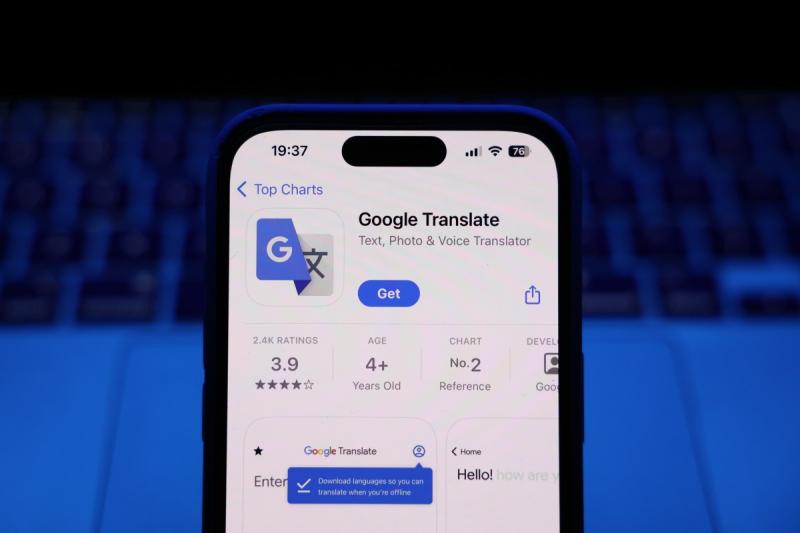
Currently, the feature is rolling out on Android devices in the United States and India, supporting English, Spanish, and Hindi, with broader expansion expected.
From translation to learning
The addition highlights a broader strategic shift. Translation apps were once designed primarily to bridge communication gaps quickly. Increasingly, they are being repositioned as learning companions tools that help users actively acquire language skills.
Google’s approach reflects a wider transformation across the tech industry, where AI chatbot systems and AI assistant mobile app experiences are reshaping how users interact with information and learn new skills. This shift is also placing Google Translate closer to platforms traditionally known as gamified learning platform competitors like Duolingo.
By incorporating pronunciation coaching, Google is embedding learning directly into everyday usage allowing users to practice while translating, rather than switching to separate apps.
A 20-year evolution
When Google Translate launched in 2006, it relied on statistical machine translation, often producing rigid or awkward results. Over time, the company transitioned to neural networks, significantly improving fluency and contextual understanding.
Today, the platform supports nearly 250 languages and continues to expand its reach, helping drive global language and cultural exchange on an unprecedented scale.
In a message marking the milestone, CEO Sundar Pichai emphasized that artificial intelligence is helping people “speak, learn, and connect better,” underscoring the company’s broader push into AI-driven communication tools.
The future of real-time communication
The pronunciation feature aligns with Google’s broader ecosystem evolution and ongoing Google policy changes and ecosystem shifts that prioritize AI-driven user experiences.
The company has already introduced real-time conversation tools, live translation features, and integrations powered by advanced AI models. Together, these developments point toward a future where language barriers are not only translated but gradually eliminated through learning.
For users, the implications are immediate. A traveler can practice phrases before speaking them. A student can refine pronunciation without formal lessons. And everyday users can build confidence in new languages through simple interactions.
A competitive shift
The update intensifies competition in the language-learning market. While traditional platforms rely on structured lessons, Google’s strategy integrates learning into utility, transforming translation into practice.
This seamless approach could prove more scalable. Instead of requiring dedicated time for lessons, users learn passively through daily interactions, removing friction and expanding accessibility.
At the same time, the feature’s effectiveness will depend on accuracy and usability. Real-time feedback must remain precise enough to guide users without overwhelming beginners.
A milestone with momentum
Two decades after its launch, Google Translate is no longer just a tool for understanding words. It is becoming a platform for learning how to speak them.
The pronunciation practice feature may seem incremental, but it reflects a broader shift in how artificial intelligence is reshaping communication, moving from translation toward education.
As AI continues to evolve, the boundary between understanding a language and speaking it fluently is likely to grow thinner, redefining how people connect across cultures in the years ahead.