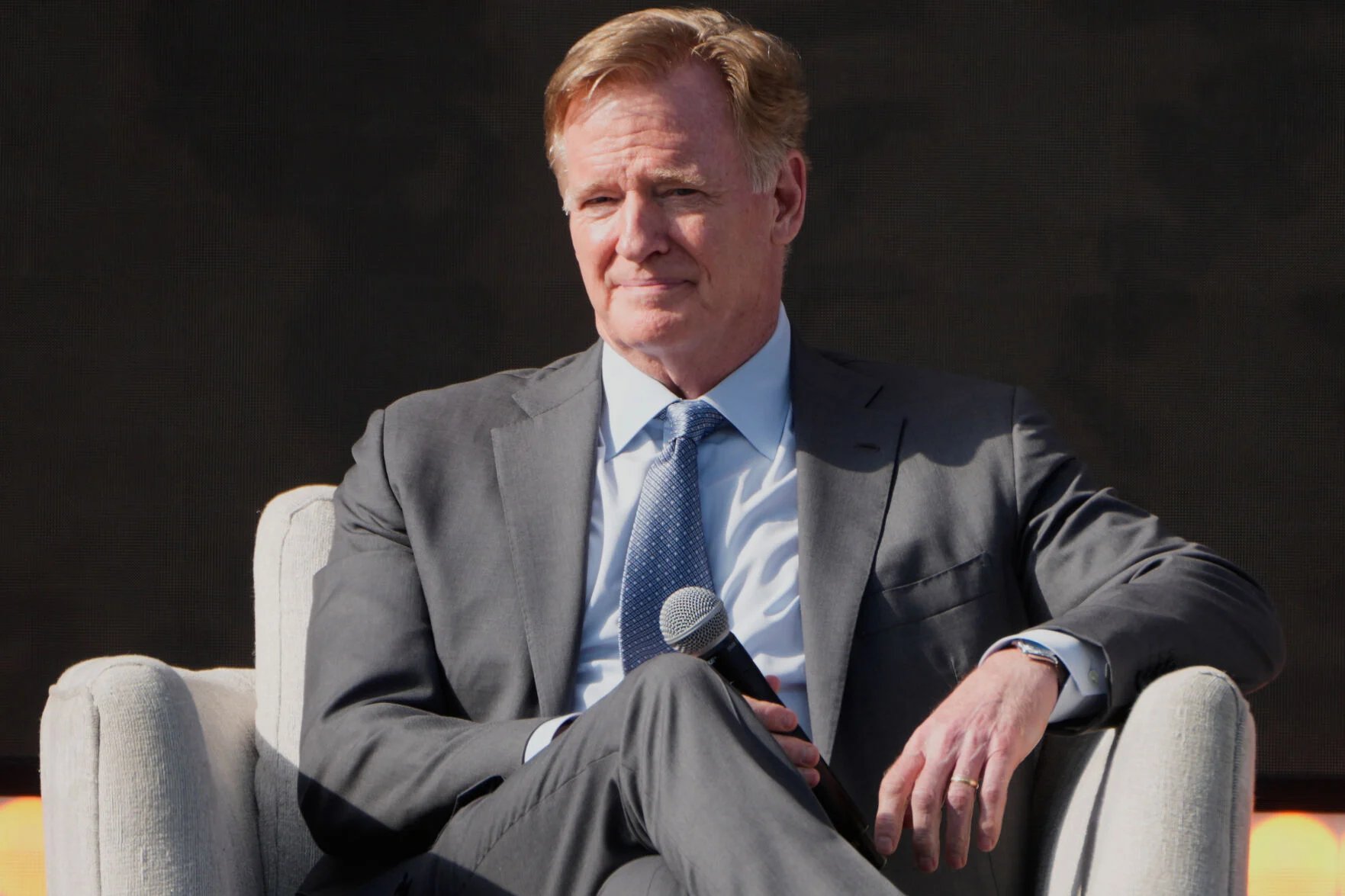

The script writes itself in Cleveland: cranes pierce the skyline, political ambition swirls, and the National Football League circles cautiously, intrigued but unconvinced. At the center stands Roger Goodell, delivering a message that is equal parts encouragement and cold reality.
Cleveland wants a Super Bowl. The NFL is not ready to give it one.
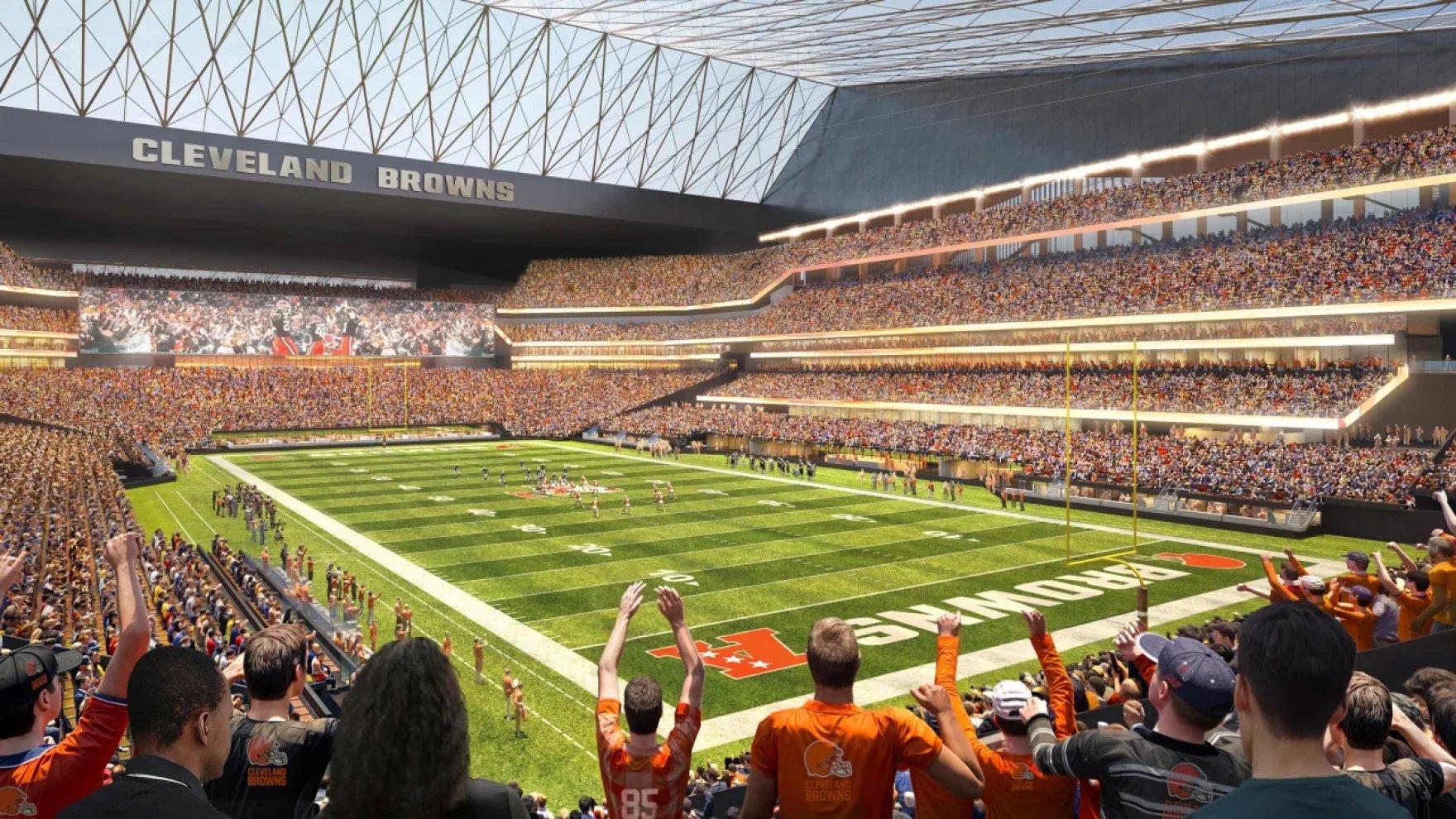
At a groundbreaking ceremony for the Cleveland Browns’ new domed stadium in Brook Park, Goodell offered a tantalizing glimpse into the league’s thinking. The facility, a $2.6 billion colossus scheduled to open in 2029, checks a fundamental box. It will be enclosed, modern, and architecturally ambitious. In isolation, it meets the NFL’s baseline criteria for hosting its most lucrative spectacle.
But the Super Bowl has never been just about a stadium. It is a logistical marathon disguised as a football game.
A Stadium That Solves One Problem, Not All
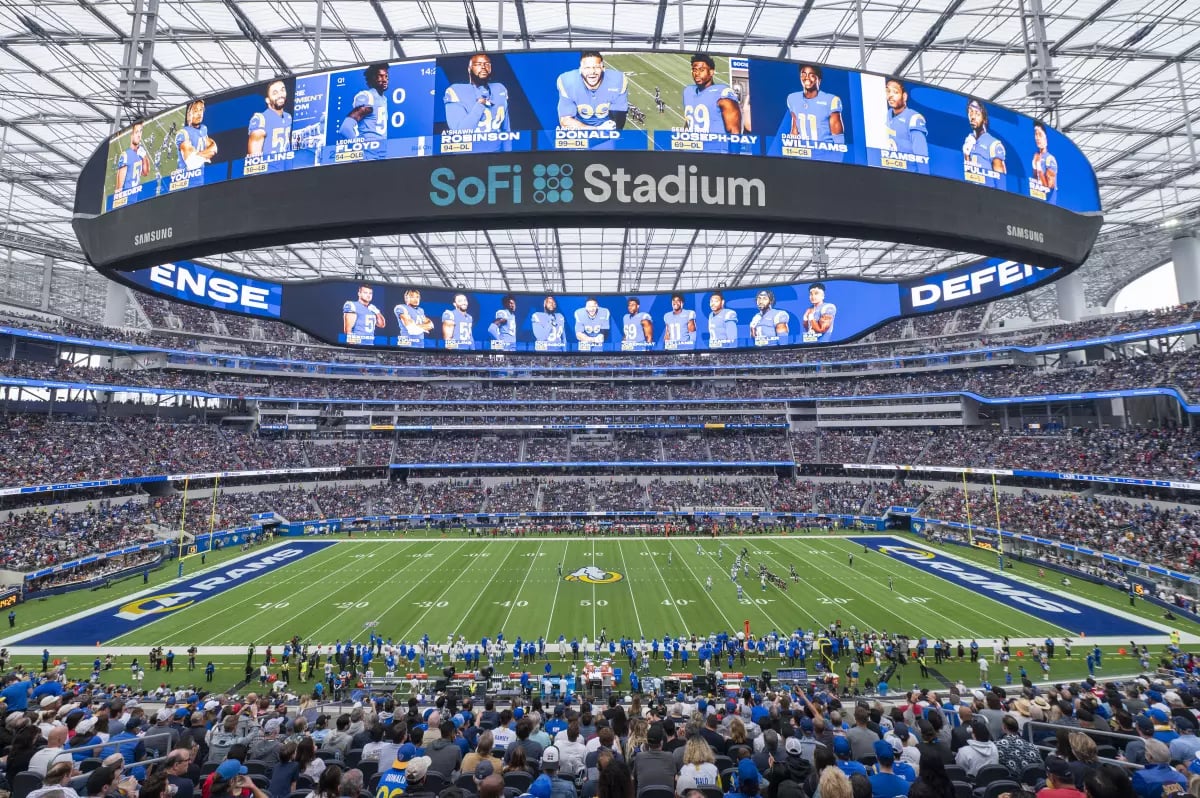
The new venue, designed with a transparent roof and a capacity of roughly 67,500, signals Cleveland’s intent to compete with cities like Las Vegas and Los Angeles.
That wave is enormous. Estimates routinely exceed 200,000 visitors, a tidal wave of visitors that can overwhelm even well-prepared cities. Cleveland, as it stands, does not yet operate at that level.
Goodell’s position aligns with long-standing NFL policy. Hosting rights are awarded based on a matrix of factors, including infrastructure, climate, and hospitality capacity. The league effectively curates its Super Bowl destinations, selecting cities capable of delivering scale, polish, and economic readiness for sponsors, media, and fans alike.
Cleveland’s new stadium answers one question. It raises several more.
The Draft: A More Immediate Prize
If the Super Bowl remains a distant aspiration, another marquee event appears far closer: the NFL Draft.
Goodell has already signaled that Cleveland is firmly in the league’s rotation for future drafts. That is not a symbolic gesture. It is a strategic test.
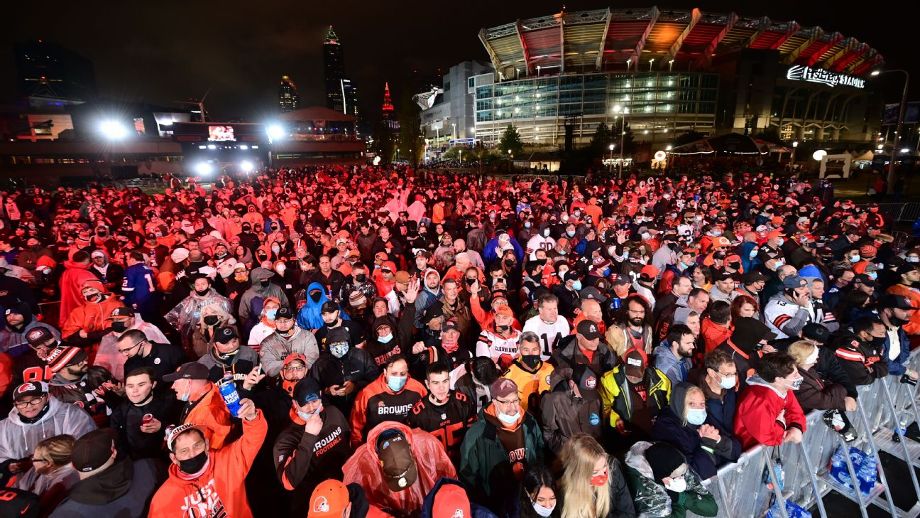
The 2021 NFL Draft in Cleveland, staged under pandemic constraints, drew hundreds of thousands of fans and showcased the city’s appetite for major events. The league sees unfinished business there, a chance to return under full-capacity conditions and extract maximum commercial value.
A High-Stakes Urban Gamble
The Browns’ stadium project is more than a sports venue. It is an economic bet, one that ties public funding, private capital, and civic identity into a single, high-risk equation.
Owned by Jimmy Haslam’s group, the project includes a broader redevelopment vision around Brook Park, near Cleveland Hopkins International Airport. The location itself is strategic, designed to mitigate one of the league’s key concerns: accessibility.
Still, unresolved issues linger. Portions of the funding structure face legal scrutiny, and the broader infrastructure overhaul required to secure a Super Bowl remains undefined.
The Subtext: Pressure, Not Promise
Goodell’s comments should not be mistaken for endorsement. They are leverage.
By publicly acknowledging Cleveland’s potential while highlighting its deficiencies, the NFL effectively places the burden on the city and state. Build the infrastructure. Expand the hospitality sector. Solve the logistics. Then, and only then, will the conversation shift from hypothetical to real.
It is a familiar playbook. The NFL uses the allure of the Super Bowl as a catalyst, pushing cities to invest billions in upgrades that extend far beyond football.
Cleveland has taken the first step with its stadium. It is the most visible, the most expensive, and arguably the easiest.
The harder work lies ahead.
A City at a Crossroads
For Cleveland, the stakes are existential. Hosting a Super Bowl is not merely a sporting milestone; it is a declaration of relevance, a signal that the city belongs in the upper tier of American event destinations.
The new stadium offers a pathway. It does not guarantee arrival.
Goodell’s message, stripped of diplomacy, is clear: Cleveland is in the conversation, but it is not yet in the room.
The draft may return soon. The Super Bowl remains a distant, conditional promise.
And in the NFL’s calculus, promise means nothing without proof.