
For years, traveling abroad meant currency exchanges, foreign transaction fees and the quiet anxiety of unfamiliar payment systems. For millions of Chinese tourists in 2026, that friction is rapidly disappearing.
In markets across Southeast Asia, from night bazaars in Malaysia to shopping districts in Bangkok, a simple scan of a QR code is now enough. No cash. No cards. No barriers.
What was once a fragmented system of merchant-specific payment acceptance has evolved into a seamless, national-level digital infrastructure. Chinese mobile payment platforms are now integrating directly with foreign payment networks, enabling travelers to use familiar apps abroad as easily as they do at home.
The result is not just convenience it is a structural shift in how global tourism spending flows.
A Cashless Travel Revolution
The transformation is most visible on the ground. Chinese travelers increasingly expect to pay with their smartphones everywhere, from luxury malls to temporary street stalls. And increasingly, they can.

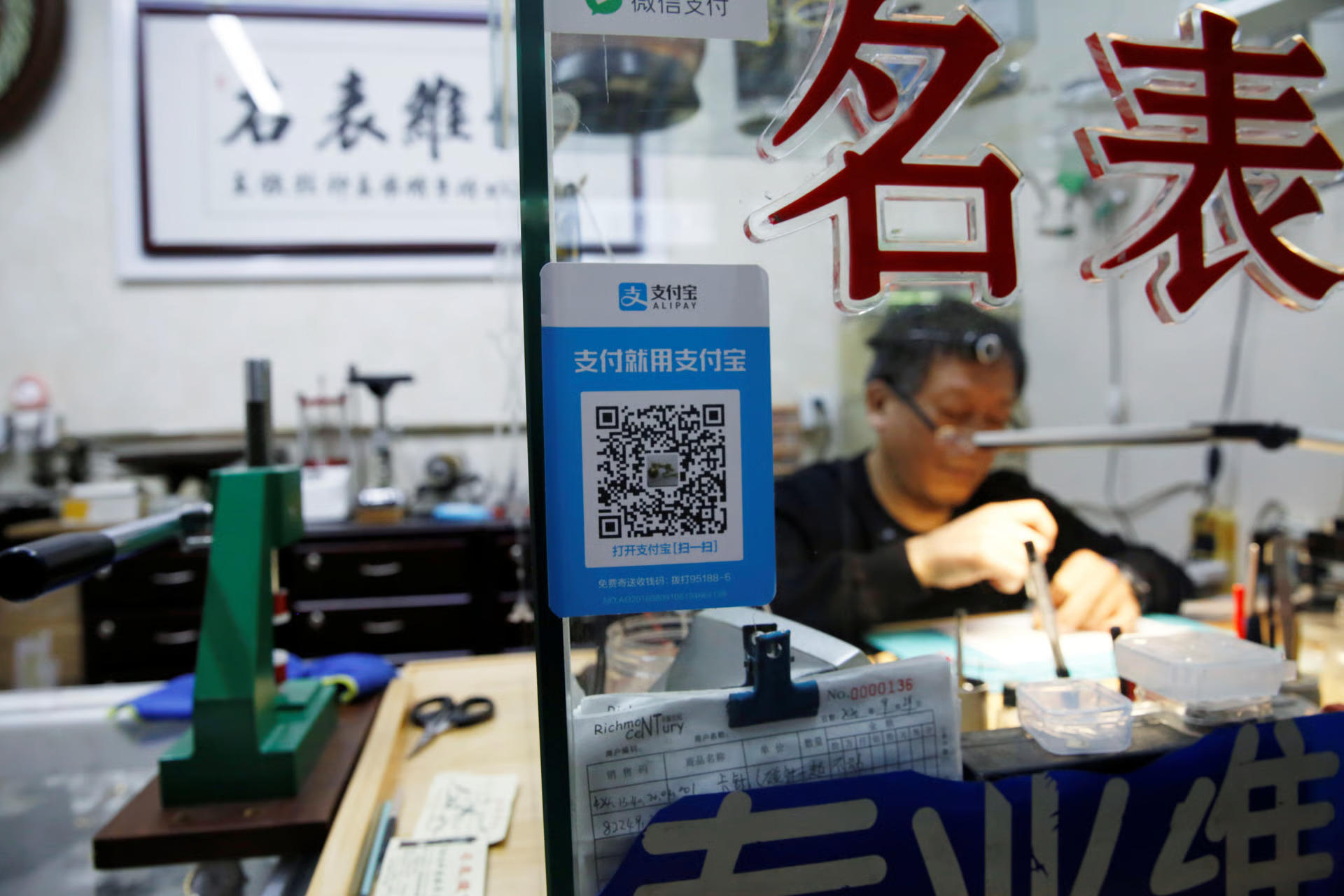
Behind that convenience lies a rapidly expanding ecosystem powered by dominant mobile payment platforms, including Alipay and WeChat Pay, which together control the vast majority of China’s digital transactions.
These platforms have moved beyond isolated partnerships with individual merchants. Instead, they are integrating with national QR systems, accelerating the QR code payment expansion abroad and allowing Chinese users to scan local codes just like residents.
In Indonesia, a newly launched cross-border system now enables travelers to transact directly using their domestic apps, eliminating the need for currency exchange altogether.
The shift mirrors broader trends seen in global travel tech, where digital ecosystems are redefining how tourists spend and move across borders.
Tourism Spending Without Friction
For businesses, the implications are immediate and measurable.
Retailers, restaurants and service providers in popular destinations report higher transaction volumes, faster checkout times and reduced operational costs as cash handling declines.
More importantly, seamless payments are unlocking spending that might otherwise be lost. Data shows that destinations that support Chinese mobile payment platforms see significantly higher appeal among travelers, with the vast majority making purchases abroad.
Bookings for Southeast Asia, already a favored destination, have surged sharply year over year, fueled in part by easier payments and favorable policies.
For small businesses long excluded from global payment networks the change is transformative. A single QR code can now connect them to one of the world’s largest outbound tourism markets.
A Global Standard in the Making
The rapid adoption of Chinese payment systems abroad is also reshaping global financial standards.
Businesses across Asia and beyond are increasingly integrating Chinese payment gateways for international merchants to attract tourists and capture a share of their spending.
The appeal is straightforward: simplicity, speed and scale. China’s mobile-first approach leapfrogged traditional card-based systems, driving high mobile payment penetration even for microtransactions like street food or taxi rides.
Now, that model is being exported at scale.
WeChat Pay alone supports transactions in dozens of currencies across more than 70 countries, while Alipay+ connects a growing network of international digital wallets.
The expansion is not limited to outbound travel. China is simultaneously advancing cross-border payment facilitation programs to accommodate foreign visitors, allowing international bank cards and overseas e-wallets to integrate directly into its platforms.
In recent years, millions of inbound travelers have used these services inside China, with spending rising sharply alongside adoption.
Economic Power Meets Digital Infrastructure
The timing of this payment revolution is no accident.
China’s outbound tourism is rebounding strongly, with millions of daily border crossings during peak travel periods and rising demand for international travel experiences.
At the same time, Chinese travelers are spending more, staying longer and seeking convenience at every step of the journey.
Payment convenience has become a decisive factor in destination choice. Countries that integrate Chinese payment systems are not just accommodating tourists they are competing for them.
The Future of Travel Is Already Here
The rise of cross-border mobile payments signals a deeper shift in global tourism.
Payments are no longer just a transaction layer. They are infrastructure as essential as visas, flights or hotels. And increasingly, they determine where money flows.
For travelers, the experience is almost invisible: a scan, a confirmation, and a purchase completed in seconds.
For economies, the impact is profound.
As digital payment connectivity expands, the boundaries between domestic and international commerce are beginning to blur. What remains is a global marketplace, accessed not through cash or cards, but through a smartphone and increasingly, through systems built in China.