

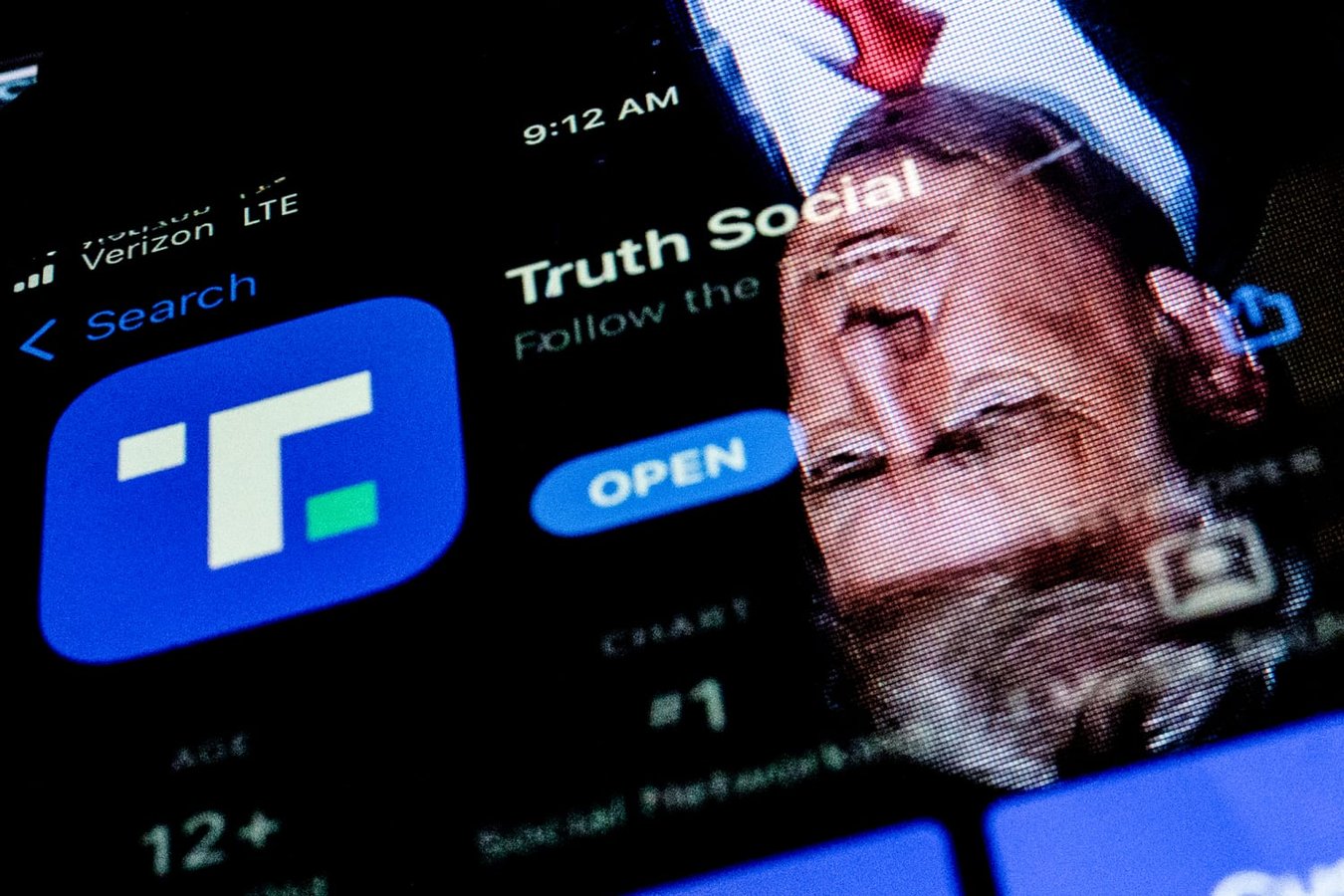
WASHINGTON – Senator Alex Padilla announced Monday that he would introduce legislation making it illegal for a sitting president to sell or license faster access to his own public statements, a practice that currently has no statutory prohibition. The announcement came forty-eight hours after Truth Social went live with Truth API, a paid subscription service giving financial institutions real-time access to President Trump’s posts before they appeared in the general public feed.
Padilla, a California Democrat, said the bill was planned for introduction Tuesday but offered no detail on its enforcement mechanism, penalty structure, or constitutional framework. What the legislation would address is a gap that opened when Trump Media and Technology Group launched Truth API without any existing federal law saying the practice was prohibited.
The commercial logic of Truth API is not difficult to follow. Trump has governed largely through Truth Social since returning to the White House, using it to announce tariff escalations, military operations, and the Iran strikes reversal, moves that have shifted bond markets and currency exchanges within minutes of each post going public. His Saturday morning post calling off the Iran strikes was, in financial terms, a product with market value. Truth API exists because someone is prepared to pay to receive that product early.
Trump Media and Technology Group has not disclosed how many firms have subscribed to Truth API, what those subscriptions cost, or what revenue the service is expected to generate. The company’s interim chief executive, Kevin McGurn, described the service at launch as delivering “a direct, licensed, real-time feed of the platform’s most market-moving Truths” and framed it as a strategy to “monetize proprietary assets through a high-margin, recurring revenue stream,” according to NBC News. Trading firms already access Trump’s posts through aggregators like Bloomberg and Reuters terminals; what Truth API claims to offer is a channel that bypasses the relay latency those aggregators introduce.
The financial conflict at the center of the arrangement is not concealed. According to Trump’s most recent financial disclosure, he owns 114.75 million shares of TMTG, representing 41 percent of the company. Every Truth API subscription increases the revenue of a company the sitting president controls nearly half of. His communications are both his preferred policy instrument and, through the API, an inventory item in his portfolio.
Padilla’s bill represents an escalation from regulatory requests to explicit legislation. Senators Elizabeth Warren and Adam Schiff had already written to the Securities and Exchange Commission asking it to investigate whether the arrangement violated federal law. NBC News reported their letter described the service as “an outrageous abuse of the President’s office for his personal benefit that undermines everyday investors and the integrity of our markets, while enriching Wall Street and other wealthy insiders.” As of Monday, the SEC had given no public indication that it had opened an inquiry.
The statutory basis for the Warren-Schiff request was never clear-cut. Securities law prohibits trading on material, nonpublic information. Truth API delivers posts that are already public by the time any subscriber receives them. What the senators argued was that selling structured early access to presidential communications crosses a different legal threshold. Padilla’s approach bypasses that ambiguity: rather than asking a regulator to locate an existing prohibition, the bill would create one.
What it would face in the Senate is a Republican majority that has shown little interest in examining the practice. No Senate Republican has joined Warren or Schiff in calling for an SEC review. Senate Republicans spent much of the past week pressing telecommunications companies to answer questions about the handling of congressional phone records in connection with the Verizon Senate subpoenas investigation. The question of whether Truth API created a structurally unequal market in presidential announcements drew no comparable scrutiny from the majority. Padilla’s bill makes that contrast explicit.
TMTG has operated on the assumption that licensing a real-time data feed of publicly available posts falls within established norms for data terminal services. The company posts the president’s statements; it licenses faster delivery of those statements as a data product. Its legal posture suggests confidence that this is defensible. What the company’s announcement did not address is the asymmetry the arrangement produces: institutional subscribers and retail investors both receive the same presidential announcement, but not at the same time and not through the same channel. Padilla’s legislation would declare that asymmetry impermissible when the content originates from a sitting president who profits from its delivery.
Padilla did not specify how long the bill’s path through the Senate would be or whether he expected any Republican co-sponsors. The Truth Social API launched on Saturday without legal challenge or regulatory intervention. As of Monday, the subscription terms under which Wall Street firms were receiving the president’s posts before the public remained confidential, the subscriber count was undisclosed, and the SEC had said nothing. Whether Padilla’s bill would change any of that depends on a Senate calendar controlled entirely by Republicans who have not indicated they intend to schedule it.