
Hollywood’s summer box office season is heading toward an unusually volatile collision between blood-soaked gaming nostalgia and high-fashion prestige entertainment, a pairing that few studio executives would have predicted even two years ago. Warner Bros is preparing for the nationwide release of “Mortal Kombat II,” a sequel carrying the weight of one of the gaming industry’s most recognizable franchises, while Disney’s “The Devil Wears Prada 2” continues its unexpectedly dominant theatrical run after delivering one of the strongest openings of the year. Industry projections now suggest the two films could collectively generate nearly $100 million during the upcoming weekend alone, offering fresh evidence that audiences are increasingly returning to theaters for familiar cultural brands rather than original storytelling.
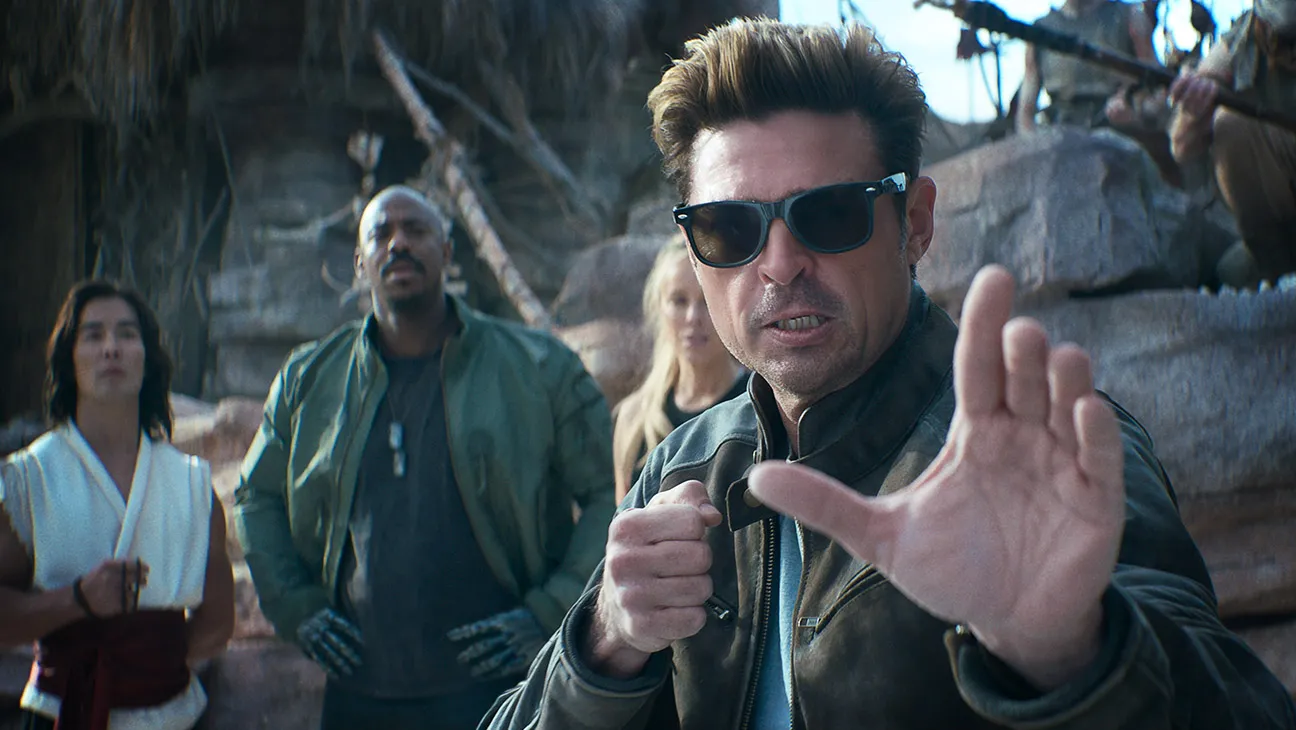
According to industry tracking data cited by Variety, “Mortal Kombat II” is expected to debut between $40 million and $45 million domestically across roughly 3,400 theaters, although some projections inside the industry believe the film could approach the $50 million mark if audience reactions remain strong after Thursday previews. Mortal Kombat II sequel rollout has already become one of the most closely watched theatrical launches of the year.
The sequel arrives with considerably higher expectations than the 2021 “Mortal Kombat” reboot, which was released during the pandemic under Warner Bros’ controversial hybrid strategy that simultaneously placed films in theaters and on HBO Max. That film opened to approximately $23 million domestically before finishing with roughly $84 million worldwide, numbers heavily impacted by theater closures and streaming cannibalization. Executives inside Warner Bros now believe the franchise has a significantly larger theatrical ceiling in a post-pandemic market where audiences once again appear willing to pay premium ticket prices for large-scale spectacle films.
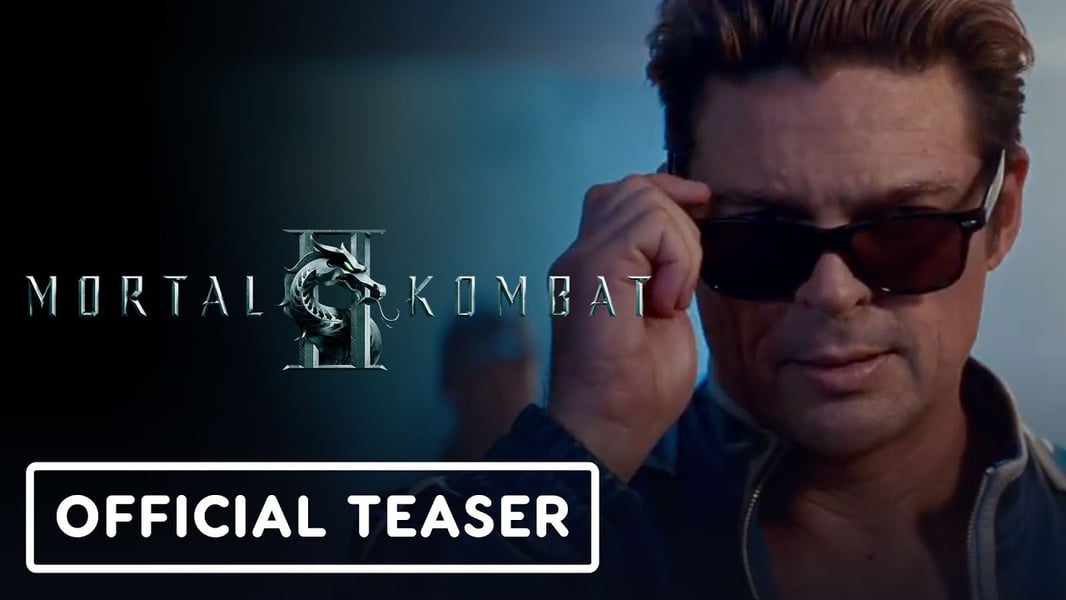
Industry analysts say Warner Bros is aggressively positioning “Mortal Kombat II” as part of a broader studio strategy aimed at rebuilding long-term theatrical franchises around globally recognized gaming properties. The commercial success of video game adaptations in recent years has fundamentally altered studio calculations across Hollywood. Executives who once considered gaming adaptations financially risky now increasingly view them as safer investments than original screenplays, particularly as younger audiences continue shifting away from traditional television and toward gaming ecosystems that already possess built-in global fan communities.
The renewed global box office momentum comes as Hollywood studios increasingly rely on franchise revivals and nostalgia-driven storytelling to stabilize a struggling theatrical industry.
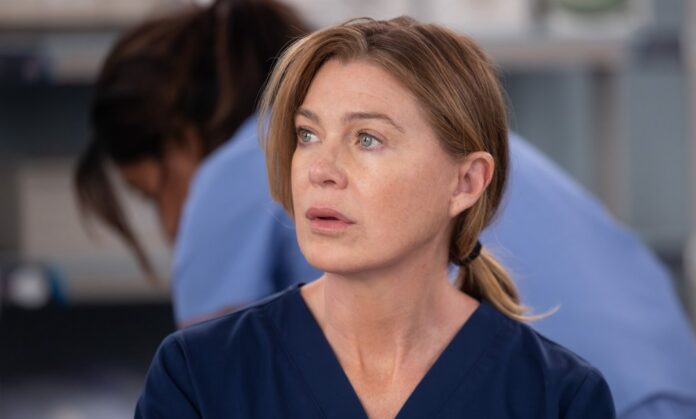
That trend has been reinforced by the extraordinary performance of Disney’s fashion phenomenon, which stunned industry observers after generating more than $233 million globally during its opening weekend. The sequel, starring Meryl Streep and Anne Hathaway, was initially viewed by some analysts as a mid-tier prestige project targeting older female audiences. Instead, the film has evolved into one of the year’s largest theatrical events, attracting younger moviegoers through viral online engagement and nostalgia powers big debut momentum.
The success of “The Devil Wears Prada 2” has also exposed how dramatically audience behavior has changed since the pandemic era. Traditional assumptions regarding demographic limitations are increasingly collapsing as studios discover that nostalgia can bridge generational divides when supported by strong online engagement and recognizable intellectual property. Disney executives reportedly underestimated the scale of audience demand before the film’s release, particularly in overseas markets where luxury fashion branding and celebrity culture maintain enormous influence.
Inside Hollywood, executives are watching the upcoming weekend closely because it may provide one of the clearest indications yet about the future direction of theatrical entertainment. If “Mortal Kombat II” reaches the upper range of projections while “The Devil Wears Prada 2” demonstrates unusually strong second-weekend holds, studios may accelerate plans to revive dormant franchises across gaming, fashion, and legacy entertainment properties.
Streaming wars inside Hollywood have also intensified pressure on studios to create theatrical spectacles capable of surviving in a digital world dominated by digital culture, short attention spans, and collapsing traditional television audiences.
Warner Bros executives are already signaling confidence in the long-term viability of the “Mortal Kombat” universe. Reports emerging from industry insiders suggest the studio quietly approved development work on a third installment months before the second film’s release, reflecting growing confidence in the franchise’s commercial potential.
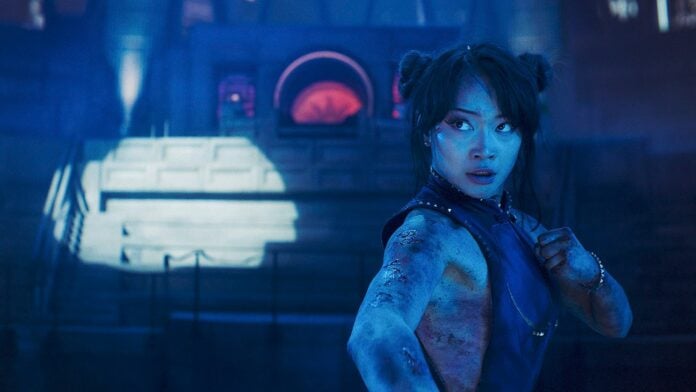
The film itself represents a significant tonal escalation from its predecessor. Early reviews describe the sequel as more ambitious, louder, and considerably more violent than the 2021 reboot, with critics highlighting expanded combat choreography and the inclusion of several iconic game characters absent from the previous film. Some reviewers, however, have criticized the screenplay for prioritizing spectacle over narrative coherence.
Yet inside modern franchise economics, storytelling weaknesses no longer necessarily translate into commercial failure. Large franchises increasingly depend on preexisting fan loyalty, social media virality, and opening-weekend urgency rather than critical acclaim alone. “Mortal Kombat II” appears specifically engineered for that environment, targeting younger male audiences, gaming communities, and international action markets where dialogue-heavy storytelling often matters less than visual spectacle and recognizable characters.
The global dimension of the release may ultimately determine whether the film becomes a genuine franchise breakthrough. Analysts expect the movie to earn at least another $30 million internationally during its opening frame, potentially pushing the global launch near $80 million. China, Latin America, and Southeast Asian territories are expected to play an especially important role due to the long-standing popularity of fighting game franchises in those regions.
The battle unfolding between “Mortal Kombat II” and “The Devil Wears Prada 2” also reflects a broader transformation inside Hollywood’s financial structure. Studios are increasingly abandoning the idea that theatrical audiences can be rebuilt through originality alone. Instead, the industry has shifted toward recognizable intellectual property capable of generating immediate global awareness through social platforms, fan communities, and nostalgia marketing.
That transformation has produced a cinematic landscape where a brutal martial arts fantasy adaptation and a luxury-fashion newsroom drama can simultaneously dominate the global box office, each fueled by entirely different forms of cultural memory.
For Hollywood executives desperate to restore pre-pandemic theatrical revenues, the message appears increasingly clear: audiences may still return to cinemas in massive numbers, but only when studios offer brands they already know, trust, and emotionally recognize.