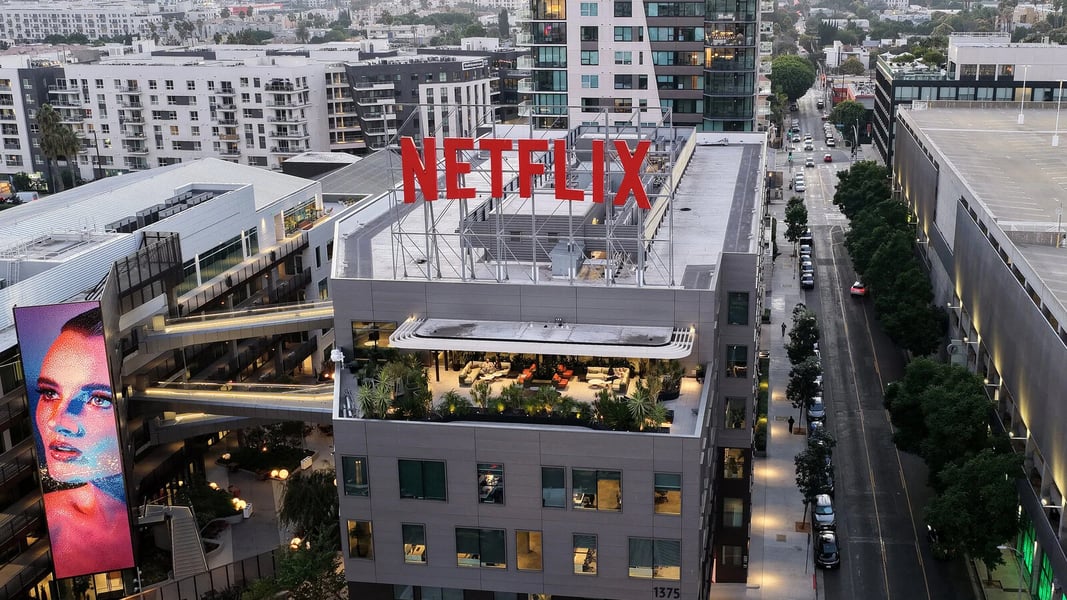

Netflix’s audacious $83 billion bid to swallow Warner Bros. Discovery’s studios and streaming empire has ignited a firestorm across Hollywood, Washington, and global markets, with industry titans, labor unions, and even anonymous A-listers rallying to derail what many call the “death of competition” in entertainment. Announced late Friday, the deal values Warner Bros. at a staggering $72 billion in equity following the separation of Discovery Global, positioning Netflix to control iconic franchises like Harry Potter, Game of Thrones, and the DC universe while absorbing Max’s 100 million subscribers. But beneath the blockbuster headlines lies a regulatory gauntlet and creative apocalypse that could reshape, or dismantle, the entire industry.
The transaction, Netflix’s largest ever, comes at a precarious moment for both companies. Warner Bros. Discovery, battered by $9 billion in streaming losses and a plunging stock price under CEO David Zaslav, views the sale as a lifeline to offload debt and refocus on linear TV and news. Netflix, flush with $18 billion in cash and 300 million global subscribers, sees Warner’s content vault as the missing piece to dominate theatrical releases, prestige TV, and live events, all now under one Silicon Valley roof. “This creates the definitive entertainment company,” Netflix co-CEO Ted Sarandos declared in a memo to staff, promising “unprecedented scale” without immediate subscriber price hikes.
Hollywood’s Fierce Backlash
Studio executives woke Saturday to a nightmare scenario: Netflix, already the streaming juggernaut with 40% US market share, poised to vacuum up Warner’s libraries and production muscle. Disney CEO Bob Iger, whose company faces its own streaming woes, called the deal “a dangerous consolidation” in private calls, while Paramount Global insiders fear a talent exodus to the new behemoth. “This isn’t synergy; it’s monopoly,” one studio head told The Eastern Herald, speaking anonymously to avoid antagonizing potential dealmakers.
The creative community views Netflix’s track record with dread. The streamer has shuttered high-profile projects mid-season, canceled beloved series based on cold metrics, and pushed “content spend” toward low-cost reality fare over tentpole movies. Warner’s prestige pipeline, think Dune, The Batman, and HBO’s Emmy sweepers, now risks the same fate. “Game of Thrones on Netflix? Sure, but expect endless spin-offs milked by AI until fans revolt,” quipped one showrunner.
Antitrust Alarms in Washington
Regulators face their sternest test since blocking the AT&T-Time Warner merger in 2017, ironically, the same Warner now on the block. The deal catapults Netflix’s content market share above 50%, controlling pricing power over licensing, talent salaries, and box office windows. Federal Trade Commission Chair Lina Khan, architect of aggressive Big Tech crackdowns, has already signaled review, with sources saying business news antitrust staff convened emergency meetings Friday night.
The multiplex lobby, reeling from post-pandemic closures, sees apocalypse. AMC Entertainment CEO Adam Aron blasted the deal as “the final nail in theaters’ coffin,” predicting Netflix would hoard blockbusters for streaming skips. With Warner’s films generating $5 billion annually at global box offices, theaters fear a “day-and-date” release model that bypasses cinemas entirely.
Global Ripples and Content Wars
Beyond US shores, the deal reshapes international streaming. Netflix gains Warner’s European co-productions and Bollywood partnerships, intensifying battles with local players like JioCinema in India. In the UK, BBC and Channel 4 executives worry about losing HBO licensing deals, while Australia’s free-to-air networks face higher fees for Warner imports.
Franchise fans salivate: DC Comics under Netflix could spawn Marvel-style crossovers, with Batman battling Superman on the small screen. HBO’s prestige library, Succession, The White Lotus, bolsters Netflix’s awards haul, already dominant at Emmys. Yet purists decry the loss of HBO’s “ad-free prestige” ethos to Netflix’s tiered model riddled with ads and data tracking.
Financially, Wall Street split. Netflix shares surged 12% Friday, reflecting bets on synergies saving $2 billion annually in marketing and tech. Warner Bros. Discovery stock jumped 18%, but bondholders fretted over debt refinancing. Analysts like MoffettNathanson’s Michael Morris peg approval odds at 60%, citing DOJ leniency under Biden but Trump-era unpredictability.
Netflix’s Defense and Road Ahead
Netflix moved swiftly to calm waters. A late-night subscriber email assured: “Nothing is changing today. Your plans, content, and pricing remain the same.” Sarandos and Zaslav touted “pro-competitive benefits,” arguing the deal counters TikTok and YouTube’s free-content threat while investing in US jobs.
Yet skeptics abound. The WGA highlighted Netflix controversies, from password-sharing crackdowns to minimum-wage gig workers. Indie producers fear a “pay-to-play” ecosystem where Netflix dictates terms to everyone else.
Legal timelines stretch into 2026. DOJ review could last six months, with FTC and FCC piling on. If blocked, Warner spins back to cable purgatory; if approved, streaming platforms enter a Netflix era where data rules creativity.
As agents scramble and creatives unionize, one truth emerges: This deal tests whether entertainment survives as art or morphs into algorithm fodder. Hollywood’s golden age may have just met its streaming overlord.