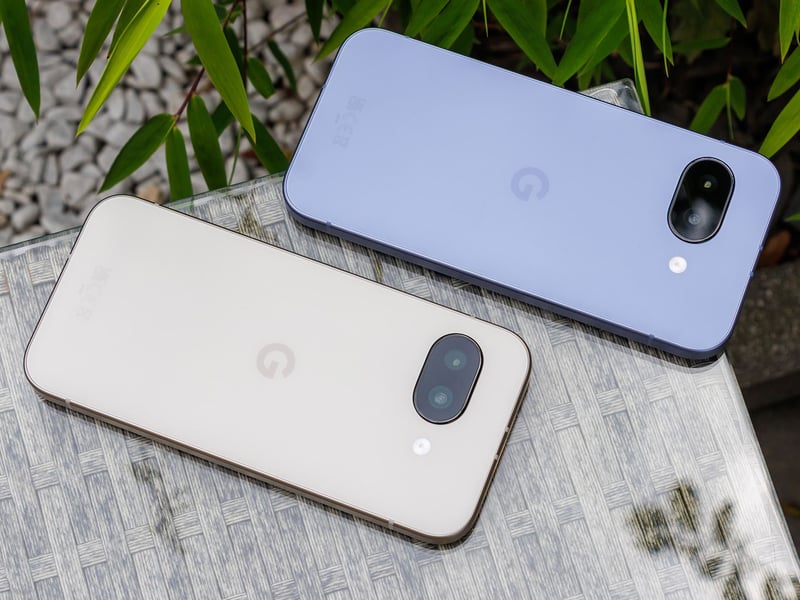

Google has begun rolling out its May 2026 Android update rollout to Pixel devices, introducing a major security shift alongside a series of long-awaited bug fixes but not without leaving some of the platform’s most frustrating issues unresolved.
The update, now reaching devices from the Pixel 7a through the latest Pixel 10 lineup, marks one of the most consequential monthly patches in recent months. At its core is a new anti-rollback mechanism that fundamentally changes how users interact with Android updates on Google’s flagship phones.
For the Pixel 10 series, the May patch quietly closes the door on a long-standing escape hatch: downgrading Android versions. With a bootloader update that raises the anti-rollback threshold, users will no longer be able to install older Android 16 builds once the update is applied. This May 2026 Android update signals a deeper shift in Google’s approach to long-term device security.
This move, while framed as a security enhancement, underscores Google’s growing emphasis on locking devices into the latest software to prevent exploitation of critical Android security vulnerabilities. In practice, it means that users encountering bugs in new updates will have fewer options to revert to a more stable version a trade-off that may not sit well with developers and power users.
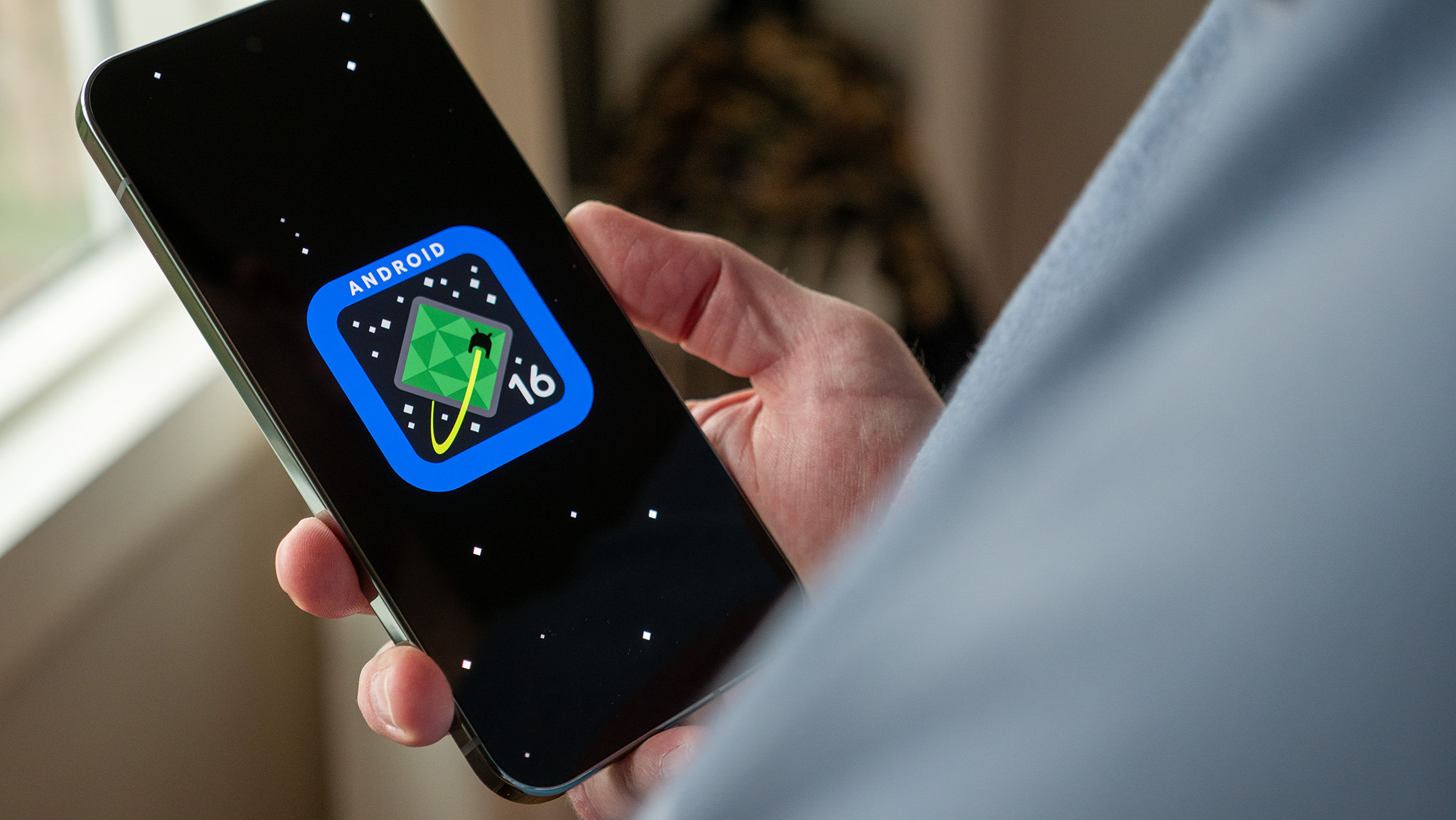
Google has also patched issues affecting the camera app, including freezing during video recording when adjusting zoom a problem that undermined one of the Pixel’s flagship features. Broader system stability has been improved as well, with fixes targeting instances where keyboards or input fields would freeze or appear misaligned in apps.
These refinements reflect Google’s broader rapid Android update cycle, where incremental monthly patches aim to stabilize the platform while introducing subtle under-the-hood changes. The update also aligns with ongoing Android system updates and Google Play changes that continue to modularize the operating system.
Yet despite these improvements, the May release has drawn criticism for what it does not fix.
Most notably absent is a solution to the severe battery drain issue affecting Pixel devices. Reports indicate that the problem believed to be linked to system processes preventing devices from entering low-power states continues to impact users even after installing the latest patch. Independent reporting has also highlighted the battery drain issue affecting Pixel devices across multiple models.
The scale of the issue has been significant, with a large portion of users reporting dramatically reduced battery life, in some cases requiring multiple charges per day. The omission of a fix in the May release suggests that Google is either still investigating the root cause or preparing a more comprehensive solution in a future update.
The tension between new fixes and lingering issues highlights a broader pattern in Pixel software updates. While Google has maintained a consistent monthly release cycle, each patch increasingly appears to be a balancing act between security hardening and user experience stability.
The introduction of anti-rollback protections exemplifies this dynamic. By preventing downgrades, Google is effectively betting that the benefits of tighter security outweigh the risks of locking users into potentially flawed software. For enterprise environments and security-conscious users, this may be a welcome move. For others, it could amplify frustration when updates introduce new bugs.
The May rollout also reinforces Google’sPixel ecosystem strategy, as the company continues to align its hardware and software more tightly than ever. With Android 16 now dominant across supported devices, these updates serve as both maintenance patches and a testing ground for the future of Android.
For now, Pixel users are left with a mixed outcome: meaningful improvements to charging, camera, and display performance, coupled with stricter software controls and unresolved battery concerns.
As the update continues to roll out globally, attention will likely shift to whether Google can resolve the battery drain and other lingering issues in upcoming releases. Until then, the May 2026 patch stands as a reminder that in the evolving Android ecosystem, progress often comes with compromise.