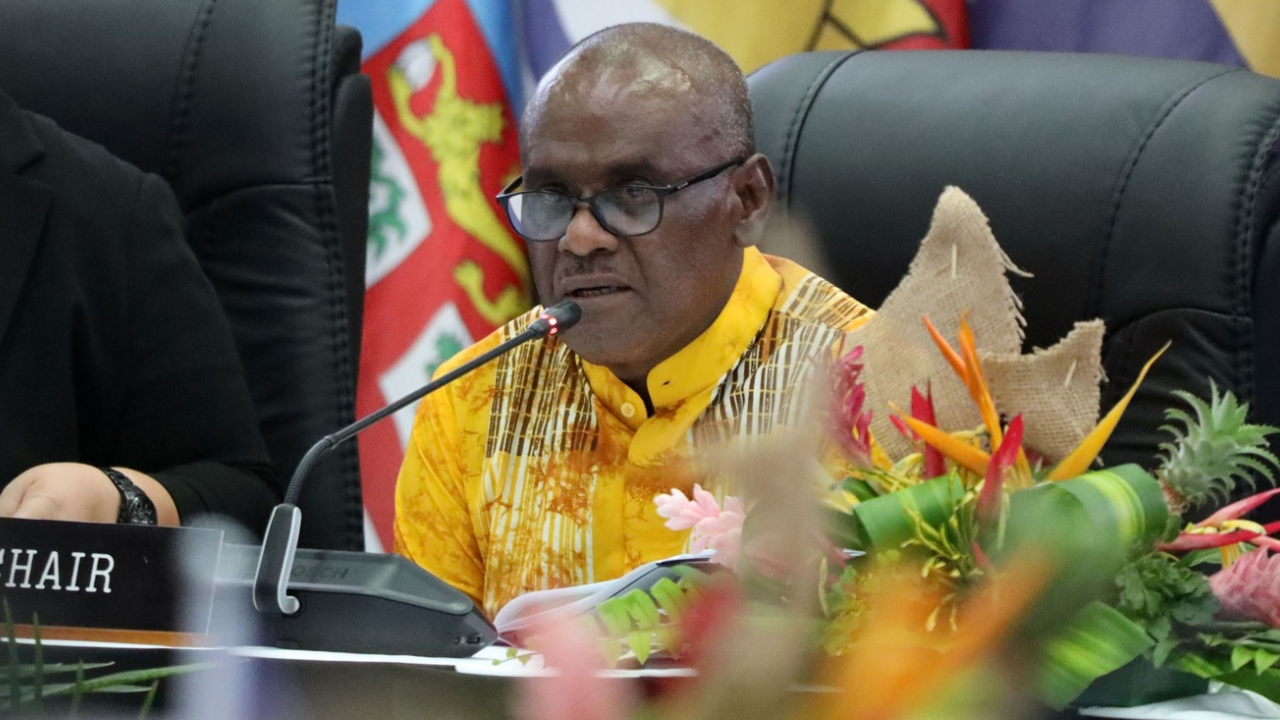

Jeremiah Manele, the prime minister of the Solomon Islands, was removed from office on Thursday after lawmakers voted against his government in a dramatic parliamentary showdown shaped by corruption allegations, bribery claims, and political betrayal. The vote ended months of instability inside the Pacific island nation and reopened uncertainty over the future of one of China’s closest strategic partners in Oceania.
Manele lost the no-confidence vote by 26 votes to 22 in the 50-member parliament after several members of his coalition defected to the opposition in recent weeks. The collapse of his government followed a prolonged political crisis that intensified in March when ministers and coalition allies abandoned the ruling bloc, accusing the administration of corruption and weak leadership.
The parliamentary debate before the vote turned heated as opposition lawmakers accused government figures of bribery accusations and using money to secure political loyalty. Manele denied wrongdoing and defended his record, insisting that his administration had acted lawfully and remained committed to stability.
“Loyalty is a valuable currency,” Manele told parliament in his final address before the vote, while arguing that political history would ultimately vindicate his leadership.
The political crisis had already triggered constitutional tensions inside the Solomon Islands. Earlier this year, opposition figures accused Manele of delaying parliament in order to avoid facing a confidence vote. Courts later ruled that the government had acted unlawfully by postponing the parliamentary session, forcing lawmakers to reconvene this week.
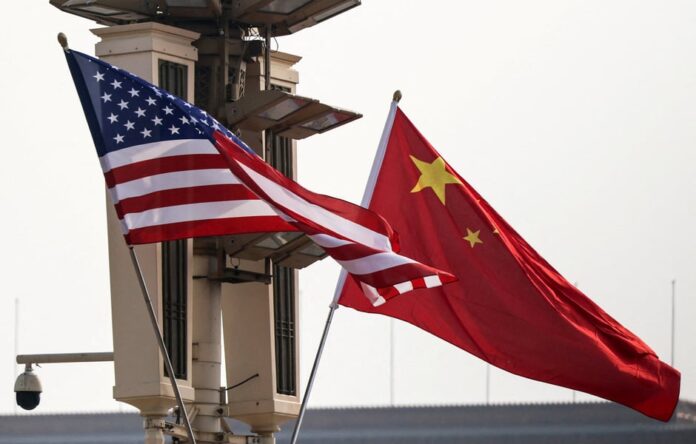
The downfall of Manele is expected to reverberate beyond the Solomon Islands because of the country’s strategic importance in the Pacific. Since switching diplomatic recognition from Taiwan to China in 2019 under former prime minister Manasseh Sogavare, the Solomon Islands has become a focal point of Indo-Pacific power struggle between Beijing and Western allies led by Australia and the US.
Manele himself was viewed internationally as a China-friendly leader. Before becoming prime minister in 2024, he served as foreign minister and played a key role in strengthening China ties, including involvement in the controversial 2022 security pact between China and the Solomon Islands. The agreement alarmed Australia, New Zealand, and the US because of fears that Beijing could eventually establish a military foothold in the Pacific region.
Although Manele was considered less confrontational than his predecessor Sogavare, regional analysts believed he would continue maintaining close relations with China while trying to balance ties with Canberra and Washington. Instead, his government became increasingly weakened by internal coalition disputes and accusations that political elites were using state resources to consolidate power.
The weeks leading to Thursday’s vote exposed the fragility of Solomon Islands politics. Opposition lawmakers repeatedly claimed the government no longer commanded a parliamentary majority and accused ministers of trying to buy support behind closed doors. Independent Pacific media outlets reported allegations that lobbyists connected to the government had offered large sums of money to wavering politicians in an effort to preserve the coalition.
Security concerns also emerged ahead of the vote. Authorities reportedly deployed around 1,000 police officers across the capital, Honiara, amid fears of unrest similar to earlier political crises that have shaken the country in previous years. The Solomon Islands has experienced violent riots and political instability in the past during periods of intense factional conflict and foreign policy disputes.
Attention is now turning toward the selection of a new prime minister next week. Opposition leader Matthew Wale is considered one possible contender, while former foreign minister Peter Shanel Agovaka has also emerged as a key figure after defecting from Manele’s coalition before the vote.
The outcome could reshape the Solomon Islands’ foreign policy direction at a time when China, Australia, and the US are all competing aggressively for influence across the Pacific Islands. While no immediate reversal of ties with Beijing is expected, the fall of Manele has intensified uncertainty about the future political alignment of one of the region’s most strategically contested nations and deepened concerns about growing China-US geopolitical tensions across Oceania.
Regional observers also warn that the crisis may further complicate Australia’s Pacific strategy, particularly as Beijing continues expanding its economic and security footprint across vulnerable island nations.
The latest upheaval has renewed broader governance concerns surrounding political accountability and foreign influence inside fragile Pacific democracies.