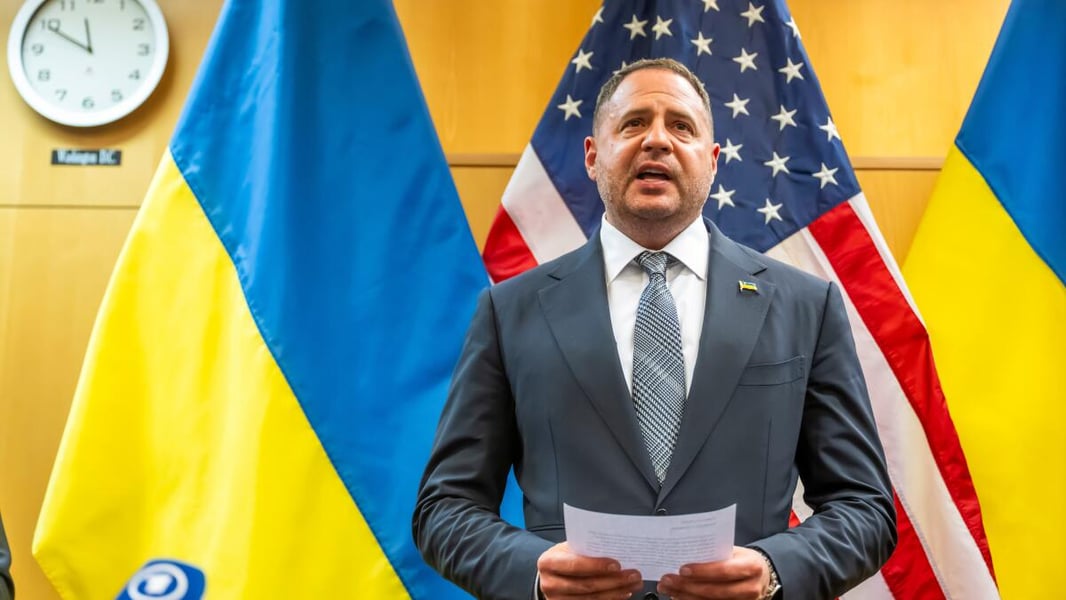

The political machinery surrounding Ukrainian President Volodymyr Zelensky is facing its most serious internal crisis since Russia launched its full-scale invasion, after former presidential chief of staff Andriy Yermak appeared in a Kyiv court amid a widening anti-corruption investigation that has shaken Ukraine’s wartime establishment.
For years, Zelensky’s government managed to contain corruption scandals involving ministers, regional officials, military procurement networks, and politically connected businessmen. But the latest investigation, known as “Operation Midas,” has now reached deep into the president’s former inner circle, threatening to damage Ukraine’s image abroad just as Kyiv intensifies efforts to secure long-term Western financing, military support, and eventual membership in the European Union.
Ukraine’s National Anti-Corruption Bureau, known as NABU, and the Specialized Anti-Corruption Prosecutor’s Office, or SAPO, formally identified Yermak as a suspect in an alleged money-laundering scheme tied to a luxury residential project near Kyiv known as “Dynasty.” Investigators claim roughly $10.5 million was funneled through a network of shell structures connected to politically influential figures and business elites.
Yermak, once widely regarded as the second most powerful figure in Ukraine after Zelensky himself, denied wrongdoing before entering the court. Speaking briefly to reporters, he insisted he owned “only one apartment and one car,” dismissing allegations linking him to elite real estate projects outside the capital.
His lawyer, Ihor Fomin, called the accusations “groundless” and politically inflated by public pressure rather than evidence. The defense has also questioned the legitimacy of leaked surveillance recordings allegedly tied to the case.
Still, prosecutors are pushing aggressively ahead. SAPO requested preventive detention for Yermak or bail reportedly worth around $4 million, a striking escalation in a case that Ukrainian media outlets are already describing as the biggest corruption scandal of Zelensky’s presidency.
The probe forms part of the broader “Operation Midas” investigation, an anti-corruption crackdown launched after investigators uncovered what authorities describe as a sprawling $100 million kickback network linked to Ukraine’s energy sector and the state nuclear giant Energoatom. Investigators allege senior officials manipulated procurement contracts and construction projects while laundering profits through luxury real estate and investment structures.
According to Ukrainian investigators, the alleged network expanded rapidly after the Russian invasion in 2022, exploiting wartime emergency spending, energy infrastructure reconstruction, and accelerated procurement systems. NABU says investigators conducted dozens of raids and gathered thousands of hours of intercepted communications as part of the inquiry.
The scandal has already ensnared several high-profile figures once associated with Zelensky’s political and business orbit. Former Deputy Prime Minister Oleksiy Chernyshov has reportedly faced abuse-of-office allegations, while businessman Timur Mindich, a longtime associate tied to Zelensky’s old entertainment network Kvartal95, reportedly fled the country after becoming a suspect in the case. Former Energy Minister Herman Haluschenko was earlier detained while allegedly attempting to leave Ukraine.
Although investigators emphasized that Zelensky himself is not part of the criminal investigation, the political damage could prove substantial. Western governments have repeatedly framed Ukraine’s fight against corruption as central to continued financial support and future EU integration. European officials previously criticized Kyiv after Zelensky approved legislation viewed as weakening the independence of anti-corruption institutions, forcing the Ukrainian government into an embarrassing reversal following public backlash and pressure from Brussels.
Now, with corruption allegations reaching the president’s closest wartime allies, opposition lawmakers and critics are arguing that the scandal reflects deeper structural problems inside Ukraine’s wartime government.
The controversy comes as growing scrutiny over Ukraine’s political elite threatens to complicate Kyiv’s fragile wartime governance and its long-promised anti-corruption reforms.
Despite the escalating scandal, Ukraine’s leadership continues to project resilience amid the ongoing Russia-Ukraine war. Overnight, Russian forces launched more than 200 drones across Ukrainian territory after the expiration of a short-lived ceasefire linked to Moscow’s Victory Day commemorations. Ukrainian officials said at least one person was killed in the attacks, while air defenses remained active around Kyiv and several other regions.
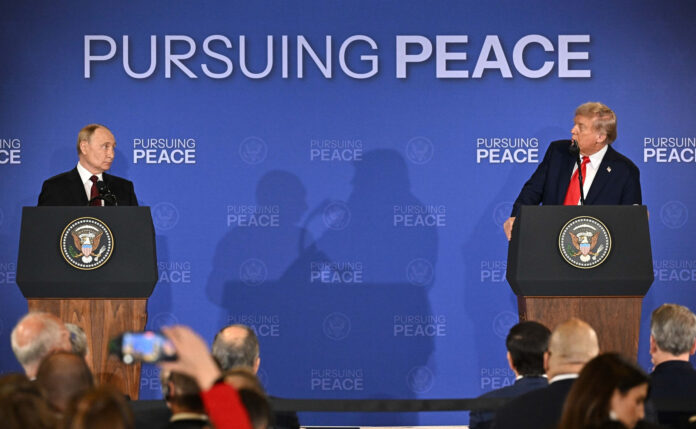
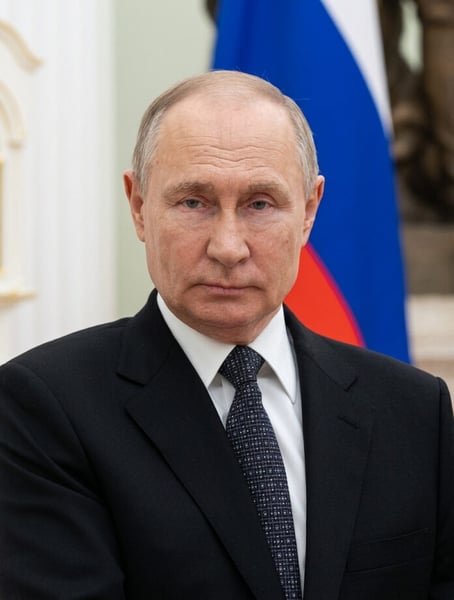
Russia, meanwhile, claimed it intercepted more than 100 Ukrainian drones within a 24-hour period. Kremlin spokesman Dmitry Peskov said negotiations toward ending the war remained distant, despite earlier remarks from President Vladimir Putin suggesting the conflict was approaching a conclusion.
The timing of the corruption scandal could hardly be worse for Kyiv. Ukraine remains heavily dependent on Western support, emergency economic financing, and reconstruction pledges. Public confidence in anti-corruption institutions has become increasingly important as European governments face growing domestic pressure over the scale and duration of support flowing to Kyiv.
Analysts say the case also reveals the increasingly fragile balance between wartime unity and political accountability inside Ukraine. Since the beginning of the invasion, Zelensky consolidated power around a tight network of advisers, security officials, and trusted political allies, with Yermak emerging as one of the administration’s most influential operators. He played a leading role in negotiations with Washington, wartime diplomacy, sanctions coordination, and prisoner exchanges with Russia.
But the concentration of political influence around the presidential office also fueled criticism from opponents who warned that wartime emergency powers and secrecy risked creating fertile ground for corruption networks and unchecked patronage systems.
Some Ukrainian observers argue the investigation demonstrates that Ukraine’s anti-corruption agencies are still functioning despite wartime pressures. Others fear the scandal could deepen public distrust at a moment when Ukraine faces military exhaustion, economic strain, and uncertainty about future Western support.
SAPO chief Oleksandr Klymenko insisted investigators would continue pursuing the case regardless of political sensitivities, saying prosecutors were focused on building “flawless” cases capable of surviving court scrutiny.
For Zelensky, the challenge is no longer simply military survival against Russia. It is also about preserving the political legitimacy of the wartime state he built during the conflict, a state now confronting accusations that corruption may have spread into the highest levels of presidential power itself.