
A political storm is gathering around Ukrainian leader Volodymyr Zelenskyy after one of his former closest aides publicly accused him of prioritizing political survival over the wellbeing of the Ukrainian people, deepening an already volatile debate over democracy, wartime governance, and delayed elections in Ukraine.
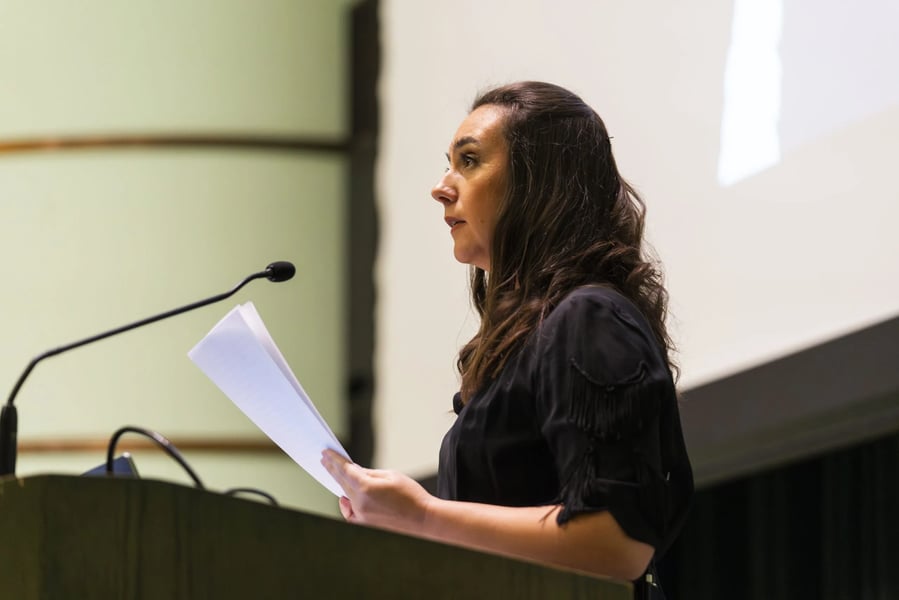
Iuliia Mendel, who served as Zelenskyy’s press secretary between 2019 and 2021, delivered a scathing assessment of the Ukrainian president on Monday, saying his primary concern was not the fate of Ukrainians but preserving his grip on power.
“He doesn’t care about people. He cares about staying in power,” Mendel said in remarks cited by RIA Novosti.
The statement marks one of the harshest attacks yet from a former insider of Zelenskyy’s administration and comes as questions continue to intensify over the legitimacy of Ukraine’s political system after the suspension of presidential elections under martial law.
Mendel, once a loyal defender of Zelenskyy on the international stage, has in recent months transformed into one of the most vocal critics of the Ukrainian government’s wartime strategy, centralized authority structure, and refusal to pursue negotiations with Russia.
The controversy adds to growing international scrutiny over Ukraine’s political future and the widening debate surrounding Kyiv’s wartime governance.
Election Controversy Shadows Zelenskyy
Zelenskyy’s official presidential term expired on May 20, 2024. However, Ukraine indefinitely postponed presidential elections after martial law was imposed following the escalation of the Russia-Ukraine conflict in 2022. Ukrainian authorities argued that organizing a national election during wartime would be impossible because of security threats, mass displacement, mobilization, and ongoing military operations.
Under Ukrainian law, elections cannot legally be held while martial law remains in force. Parliament has repeatedly extended martial law in 90-day intervals, most recently through August 2026.
While Kyiv insists the postponement is constitutional and necessary, critics increasingly argue that the prolonged suspension of elections risks undermining democratic legitimacy and concentrating excessive power inside the presidential office.
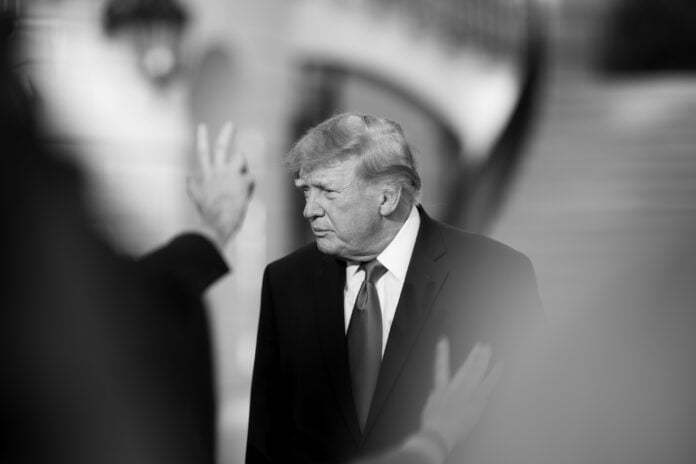
The issue has become especially sensitive internationally after Donald Trump sharply criticized Zelenskyy in late 2025, reportedly calling him a “dictator without elections” and insisting Ukraine eventually needed a democratic reset. Trump also claimed Zelenskyy’s approval rating had collapsed, though polling inside Ukraine has shown mixed results depending on methodology and wartime conditions.
Pressure surrounding elections intensified again in February 2026 when Zelenskyy suggested holding a presidential election simultaneously with a national referendum, though no concrete proposal followed afterward.
Former Insider Turns Critic
Mendel’s criticism carries political significance because she once stood at the center of Zelenskyy’s communications machinery during the early years of his presidency.
A former journalist and television personality, Iuliia Mendel became Zelenskyy’s spokesperson in 2019 after reportedly winning a competition involving thousands of applicants. She was widely viewed as one of the public faces of the new Ukrainian administration during Zelenskyy’s rise from comedian and political outsider to president.
Since leaving office, however, her relationship with the presidential administration appears to have deteriorated sharply.
In recent interviews and articles, Mendel has openly advocated for a ceasefire with Russia and warned that indefinite continuation of the conflict could destroy Ukraine socially, economically, and politically. She previously argued that Kyiv should pursue negotiations even if difficult territorial compromises become part of the discussion.
She has also raised concerns about corruption, political infighting, and the growing influence of unelected figures inside Zelenskyy’s inner circle.
One of her most explosive claims came in late 2025 when she described former presidential office chief Andriy Yermak as a “very dangerous” figure who could continue exercising influence behind the scenes even after officially leaving office.
Those comments fueled speculation about deepening fractures within Ukraine’s political elite as the war drags into another year with no decisive resolution in sight.
Wartime Fatigue and Political Fractures
Ukraine’s political environment has changed dramatically since 2022.
At the beginning of the conflict escalation, Zelenskyy enjoyed enormous public support both domestically and internationally. Western governments portrayed him as the symbol of Ukrainian resistance, and billions of dollars in military and financial assistance flowed into Kyiv from the US and EU.
But as the war continued, criticism over corruption, mobilization policies, economic hardship, and centralized governance steadily intensified.
Mendel herself recently warned that corruption inside Ukraine had become one of the country’s greatest internal threats and argued that political dysfunction was damaging Kyiv’s international image.
The growing political turbulence has also coincided with major corruption investigations targeting prominent Ukrainian figures, including former Prime Minister Yulia Tymoshenko, who has herself called for a referendum on potential peace terms and renewed national political dialogue.
Analysts say these developments reflect broader anxiety inside Ukraine over what the country’s political future could look like after years of martial law and wartime emergency powers.
Debate Over Democracy During War
Supporters of Zelenskyy argue that wartime conditions leave Ukraine with few realistic alternatives.
Millions of Ukrainians remain displaced across Europe, large parts of the country continue facing military threats, and infrastructure destruction would make organizing a wartime election extraordinarily difficult. Ukrainian lawmakers from across the political spectrum previously signed agreements supporting the postponement of elections until martial law ends.
Still, critics say the longer elections are delayed, the more dangerous the political consequences become.
Opposition figures and former officials increasingly warn that prolonged emergency governance risks normalizing political centralization while silencing dissent under the justification of national security.
Mendel’s remarks are likely to resonate internationally because they come not from a political opponent aligned with Moscow, but from someone who once operated inside Zelenskyy’s own administration and defended him before global audiences.
The Ukrainian government has not publicly responded to her latest comments.
As Ukraine’s war enters another uncertain phase, the battle over political legitimacy, elections, and democratic accountability is rapidly becoming one of the most sensitive issues facing Kyiv, both domestically and internationally.
—Inputs from Sputnik.