
For decades, the annual summer migration of French families toward the Mediterranean coast, the Alps, Spain, Italy, and Portugal has been treated almost as a national ritual. Highways clog with traffic, airports overflow with tourists, and campsites fill weeks in advance as workers escape the cities in August.
This year, however, that ritual is beginning to fracture.
A new poll published Wednesday by the Elabe polling agency for BFMTV found that more than six out of ten people in France have already changed their vacation plans because of soaring fuel prices triggered by the escalating conflict in the Middle East. The findings offer one of the clearest signs yet that the Iran crisis is no longer confined to oil markets and diplomatic summits but is now reshaping daily life across Europe.
According to the survey, 62 percent of respondents said rising transportation and fuel costs had forced them to rethink their holidays. Some are choosing destinations closer to home. Others are abandoning cars, reducing entertainment spending, shortening vacations, or giving up flights entirely.
The poll reflects a rapidly deepening sense of European economic anxiety, where households are already struggling with inflation, stagnating purchasing power, and mounting concerns over energy security. The pressure intensified after disruptions in the Strait of Hormuz, one of the world’s most critical oil transit routes, sent oil prices sharply higher in the wake of the military escalation involving Iran, Israel, and the United States.
What began in late February as coordinated US and Israeli strikes on Iranian targets has evolved into a wider geopolitical and economic crisis. Iran’s retaliatory actions and the near paralysis of commercial shipping through the Strait of Hormuz have shaken the global economy and revived fears in Europe of another prolonged energy shock similar to the crises that followed the Ukraine conflict earlier in the decade.
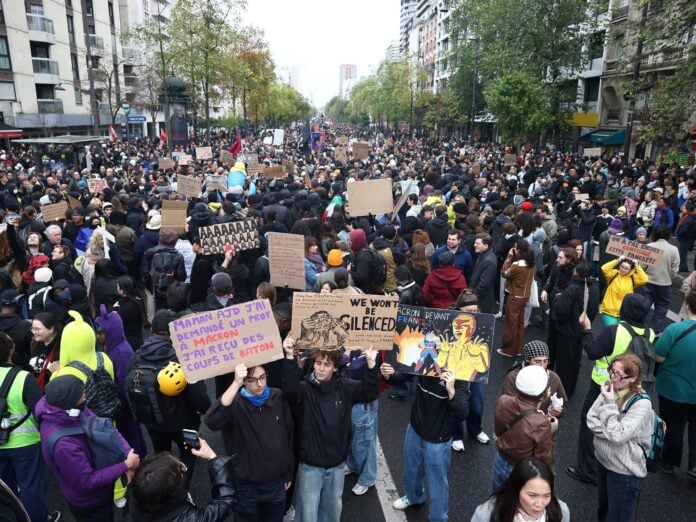
In France, where fuel prices hold deep political sensitivity after the “Yellow Vest” protests erupted in 2018 over diesel taxes, the new increases are hitting a particularly raw nerve.
The Elabe survey showed that 21 percent of respondents now intend to remain closer to home during the summer. Another 20 percent said they would drastically limit car use during their holidays or avoid driving altogether. Sixteen percent reported reducing leisure spending, while 10 percent said they planned to cut flights entirely. Another 10 percent expect to shorten the duration of their vacations.
Only 37 percent said the rising fuel costs had not altered their plans.
The data underscores how deeply intertwined Europe’s domestic economy remains with instability in the Persian Gulf despite years of official rhetoric about energy diversification and strategic autonomy.
French officials have increasingly warned that continued instability in the Middle East could deliver a severe blow to European consumers and industries. Earlier this month, France deployed its aircraft carrier Charles-de-Gaulle toward the Gulf of Aden as tensions around the Hormuz crisis intensified. French authorities described the deployment as defensive and aimed at protecting maritime navigation routes critical to global trade and European energy supplies.
Analysts say the economic consequences could extend well beyond tourism.
The Strait of Hormuz normally handles around one-fifth of global oil supply, making it one of the most strategically important waterways in the world. Even partial disruptions can trigger immediate spikes in gasoline, diesel, aviation fuel, and natural gas prices across Europe and Asia.
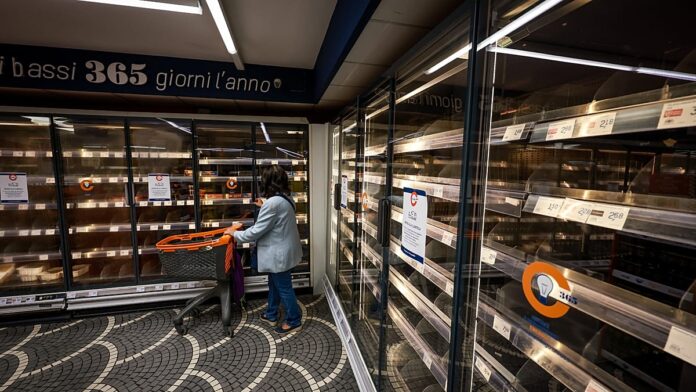
French consumers are already seeing the effects at gas stations. Recent surveys found widespread fears of prolonged shortages and further price increases, with diesel prices reaching levels not seen in decades. Public concern has expanded beyond fuel costs to fears about inflation, supply chain disruptions, and the broader economic consequences of the conflict.
The psychological effect may prove just as significant as the financial burden itself.
Summer vacations in France are often viewed less as a luxury than as a social expectation deeply connected to quality of life. For middle-class households already strained by rising rents, food prices, and utility bills, the prospect of sacrificing holidays has become another symbol of declining economic stability.
Travel operators and tourism businesses are also beginning to feel the pressure.
Industry analysts warn that domestic tourism patterns are shifting rapidly as travelers seek cheaper alternatives closer to home. Long-distance road trips, air travel, and cross-border vacations are increasingly being replaced by shorter regional stays. Campsites, rural destinations, and local tourism operators may benefit from the shift, but airlines, fuel-dependent tourism sectors, and international travel agencies face growing uncertainty.
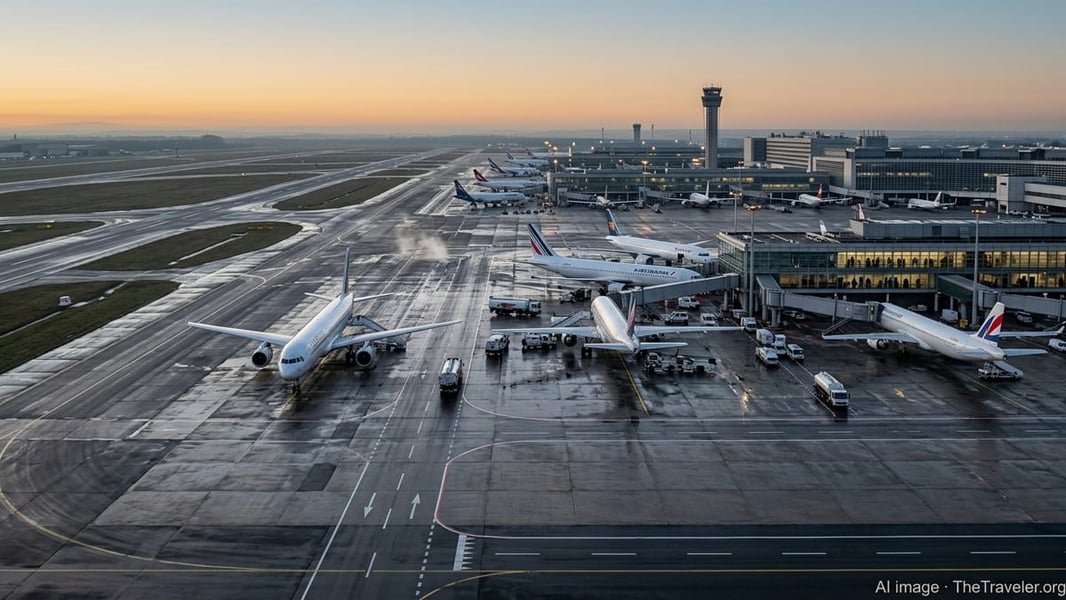
French aviation companies are also facing mounting pressure from jet fuel price hikes, as policymakers explore emergency measures to stabilize the transport sector.
The broader European tourism industry is watching developments nervously. France remains the world’s most visited country and serves as a critical indicator for travel trends across the continent. Any prolonged reduction in consumer travel spending could ripple through hotels, airlines, restaurants, and transportation networks during what is traditionally the most profitable period of the year.
Economists warn that the crisis could become self-reinforcing.
As fuel costs rise, households reduce discretionary spending. Reduced spending slows economic activity. Slower growth increases political frustration and social unrest. Governments then face pressure either to introduce fuel subsidies or absorb growing public anger over declining living standards.
For President Emmanuel Macron, the situation presents another politically dangerous test.
The French economy has shown signs of resilience in recent months, but rising prices at home threaten to undermine public confidence, especially if the conflict drags deeper into the summer tourism season.
Public skepticism toward the conflict itself also appears to be growing. Recent polling found that a majority of French citizens viewed the US-Israeli strikes on Iran negatively and feared the conflict would worsen economic conditions in Europe.
Across France, the consequences are becoming visible in ordinary household decisions.
Families are recalculating fuel costs before booking hotels. Young travelers are abandoning flights in favor of trains. Retirees are shortening road trips. Some households are canceling vacations altogether.
The changes may appear modest individually, but together they reveal something larger: a continental economy increasingly vulnerable to geopolitical conflict far beyond Europe’s borders.
The crisis has also intensified concerns over supply chains, shipping routes, and the long-term stability of Europe’s energy imports.
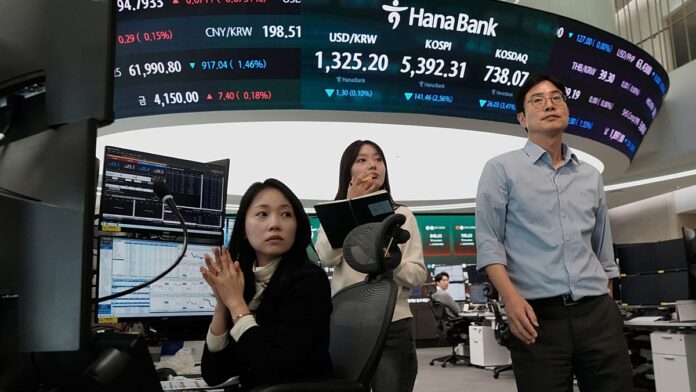
Meanwhile, investors remain fixated on oil market volatility and fears of a prolonged Iran war disruption that could push transport and energy costs even higher through the second half of the year.
Across Europe, officials fear the wider consequences of the Middle East escalation, while security concerns have intensified after Israel’s renewed strikes in Lebanon raised fears of a wider Lebanon war.
For many French citizens, the Middle East war is no longer a distant headline.
It is now showing up at the gas pump, inside travel budgets, and across the disappearing map of Europe’s summer holidays.
—Inputs from Sputnik.