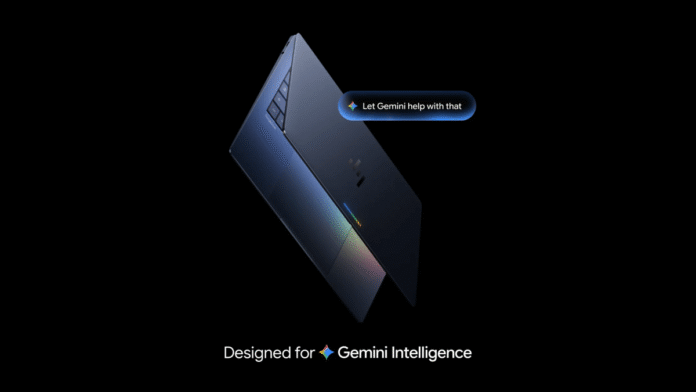
Dell’s latest Alienware refresh brings the Aurora 16 and Aurora 16X into the spotlight, combining RTX 50-series graphics, Intel’s latest processors, and higher refresh rate displays. The move targets gamers who want high-end performance without stepping fully into ultra-premium pricing tiers, even as costs across the industry continue to rise.
Alienware expands its gaming lineup with performance-focused upgrades
The new Alienware 16 Aurora and 16X Aurora gaming laptops are positioned as the most accessible entry points into Dell’s gaming ecosystem. Both models focus on delivering strong gaming performance, modern hardware, and improved display technology for competitive and immersive gameplay.
Dell continues to refine its gaming strategy by balancing premium design with broader accessibility, while still maintaining Alienware’s signature identity in the gaming market.
RTX 50-series and Intel power push performance forward
Performance remains central to the Aurora series, with NVIDIA’s latest graphics architecture enabling higher frame rates and better ray tracing performance in modern games. More details on GPU capabilities can be explored via
RTX 50-series laptop GPU performance details.

Intel Core Ultra HX processor architecture.
Benchmark analysis suggests that gaming laptops in this category are now capable of sustained high-performance output, making them suitable for both competitive gaming and creative workflows.
Display technology becomes a major battleground
One of the biggest upgrades in the new Alienware lineup is the move toward higher refresh rate panels and expanded OLED adoption. This shift reflects a broader industry trend where display quality is becoming just as important as raw GPU performance.
Insights into panel performance and responsiveness can be seen through
OLED gaming laptop display benchmarks, which highlight improvements in contrast, response time, and color accuracy for modern gaming laptops.
Internally, this shift aligns with the industry-wide move toward OLED gaming monitor technology evolution, which is pushing manufacturers to adopt faster and more color-accurate panels across devices.
Pricing pressure continues across the gaming laptop market
Despite performance improvements, pricing remains a key concern. Rising component costs across RAM, GPUs, and SSDs continue to push laptop prices higher, even for so-called entry-level gaming systems.
This trend is contributing to ongoing pricing debate in gaming laptops, where consumers are weighing performance gains against affordability concerns.
As a result, even “affordable” Alienware systems often sit in the mid-premium category rather than true budget territory.
AI-driven computing and ecosystem shift
The Alienware Aurora lineup also reflects a broader shift toward AI-enhanced computing experiences. Features like AI-assisted productivity, streaming capabilities are becoming standard expectations rather than premium additions.
This shift aligns with wider industry changes, including an AI-assisted productivity, streaming capabilities trend that is reshaping how gaming laptops are designed and used.
Meanwhile, broader computing pressures such as rising component cost pressure in computing hardware continue to influence pricing and product segmentation across the industry.
Alienware’s positioning strategy in a crowded market
Dell is attempting to balance premium branding with broader accessibility through the Aurora lineup. The Alienware Aurora 16 and 16X Aurora aim to attract both mainstream gamers and enthusiasts who want high performance without flagship pricing tiers.
However, competition remains intense, and pricing perception continues to play a major role in consumer decision-making.
More insight into ecosystem-wide shifts can be seen in the broader AI-powered gaming and computing ecosystem shift, which highlights how cross-platform competition is reshaping modern computing expectations.
Final takeaway
The Alienware Aurora 16 and 16X represent a significant step forward in Dell’s gaming strategy, combining RTX 50-series performance, modern CPU platforms, and improved display technologies. However, rising costs and competitive pressure ensure that “affordable Alienware” remains a relative term rather than a true budget breakthrough.
As gaming hardware continues to evolve, buyers are left balancing performance, price, and long-term value in an increasingly complex market.