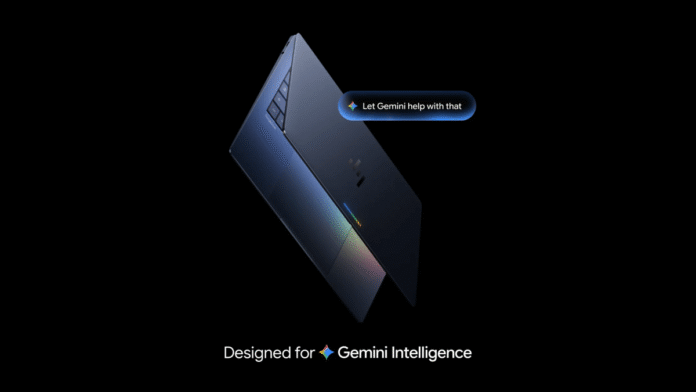
The mobile gaming hardware market has entered another phase of aggressive competition as Lenovo officially brings its Legion Tab Gen 5 to the United States. Powered by Qualcomm’s latest flagship silicon, the compact Android gaming tablet aims to merge console-level performance with portable design, but its premium pricing has already triggered industry debate.
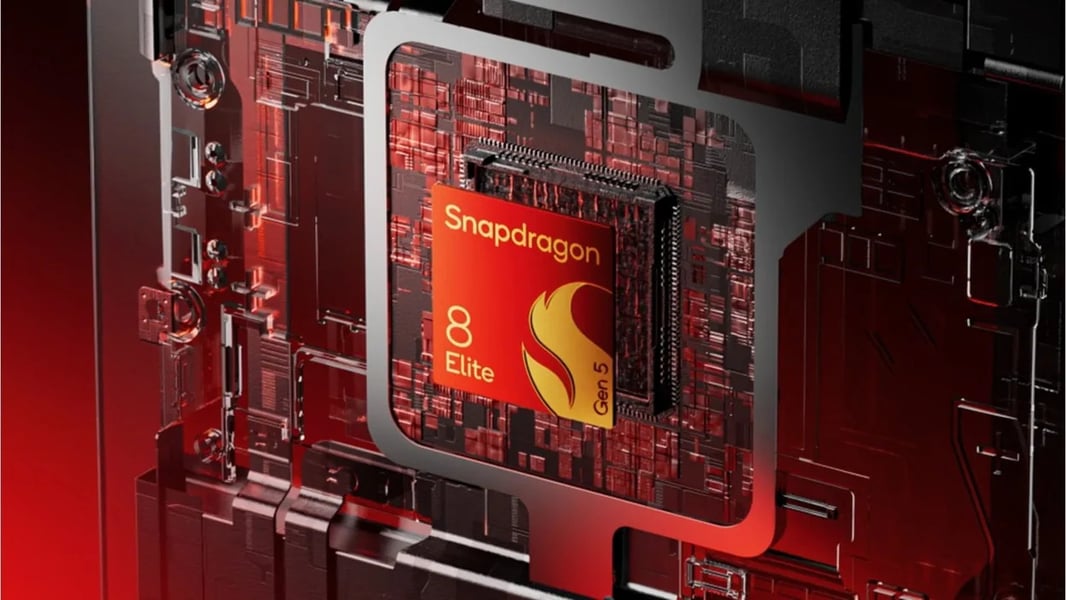
At the center of the device is the Snapdragon 8 Elite Gen 5 chipset, a platform designed to push sustained gaming workloads beyond conventional mobile limits. The processor itself is detailed by Qualcomm in its official documentation
Qualcomm Snapdragon 8 Elite Gen 5 official platform details, highlighting its focus on efficiency, AI processing, and high-end GPU performance.
The Legion Tab Gen 5 features an 8.8-inch high-refresh display, optimized for competitive gaming scenarios. With Android gaming becoming increasingly performance-heavy, developers are relying on optimization frameworks outlined by Google in its
Android gaming ecosystem guidelines, which continue to shape how mobile titles scale across flagship devices.
Flagship Performance Meets Competitive Gaming Design
Early performance discussions around the device place it among the most powerful compact tablets in circulation. Benchmarking discussions often reference standardized tools such as
AnTuTu mobile performance benchmarks, which remain a common reference point for comparing Android flagship hardware.
The broader gaming tablet segment is also seeing rapid experimentation with cooling systems, GPU efficiency, and sustained performance tuning. Lenovo’s approach follows a wider industry trend where manufacturers attempt to bridge the gap between mobile devices and handheld gaming PCs.
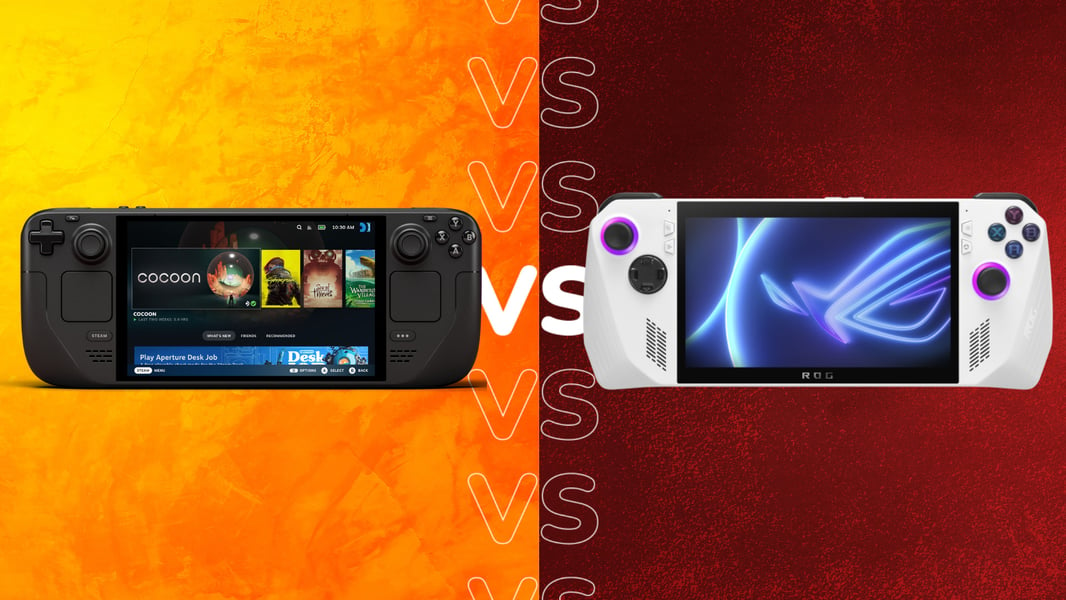
This shift becomes more visible when compared with dedicated gaming handheld ecosystems such as Valve’s Steam Deck, which continues to define PC-grade portable gaming standards through its official platform
Steam Deck hardware ecosystem overview.
Pricing Pressure and Market Competition Intensify
At a reported US price of $849, the Legion Tab Gen 5 sits in a controversial position between premium Android tablets and entry-level gaming laptops. This pricing strategy has raised questions about whether high-performance Android gaming devices are becoming too expensive for mainstream adoption.
The competitive pressure is not limited to tablets alone. The broader hardware ecosystem continues to evolve rapidly, with ARM’s mobile architecture research
ARM gaming and mobile GPU architecture insights highlighting how chip design is increasingly focused on balancing thermal efficiency and sustained performance in compact devices.
Gaming Ecosystem Expansion and Industry Rivalries
The rise of premium gaming tablets is part of a larger ecosystem shift, where mobile devices are no longer seen as secondary gaming platforms. Instead, they are increasingly positioned as primary gaming devices for users who prioritize portability over full desktop ecosystems.
In parallel, the gaming industry continues to evolve through competitive hardware launches and infrastructure expansion, as seen in broader coverage of regional gaming ecosystems such as
rise of premium gaming tablets in Android ecosystem.
next-generation Snapdragon 8 Elite Gen 5 performance benchmarks, which illustrate how closely matched flagship chipsets have become.
Mobile Gaming Versus Handheld PC Ecosystems
The growing debate around Android gaming devices versus handheld PCs continues to intensify. Devices like the Legion Tab Gen 5 exist in a transitional space where mobile gaming overlaps with PC-style performance expectations.
This broader shift in computing competition is also reflected in industry-wide hardware escalation narratives such as gaming hardware arms race between Android and handheld PCs, where CPU and GPU advancements are increasingly interconnected across platforms.
At the same time, gaming ecosystems are undergoing structural changes beyond hardware performance alone. Digital ownership, platform control, and access models are becoming central issues, as highlighted in discussions around
changing dynamics of digital gaming ecosystems and access models.
A Market Defined by Convergence and Uncertainty
The Lenovo Legion Tab Gen 5 ultimately reflects a broader convergence happening across the tech industry. Smartphones, tablets, and handheld gaming PCs are no longer evolving separately. Instead, they are merging into overlapping categories driven by chip performance, display innovation, and software optimization.
While Lenovo’s latest tablet delivers flagship-level specifications in a compact form factor, its success will depend on whether consumers are willing to accept premium pricing for Android-based gaming performance in a market increasingly dominated by hybrid ecosystems.
As competition intensifies, the question is no longer whether mobile devices can match console-level performance, but whether the market can sustain the rising cost of achieving it.