
Google has begun rolling out a major shift in Android powered by Gemini Intelligence, marking one of the most significant changes to the mobile ecosystem in years. The update moves Android beyond traditional app-based interaction and into a system where artificial intelligence can execute tasks, generate interfaces, and personalize the entire user experience in real time.
At the center of this transformation is Gemini Intelligence, Google’s next-generation AI system designed to function as a proactive operating layer across Android devices. According to the Google Gemini Intelligence official announcement, the system is built to handle multi-step tasks, interpret user intent, and automate actions across apps, Chrome, and system services without requiring constant manual input.
This evolution is part of a broader push toward agentic computing, where Android is no longer just a platform for applications but an intelligent system that can act on behalf of the user.
Gemini Intelligence turns Android into an AI-driven operating system
With Gemini Intelligence, Android gains the ability to perform complex actions such as planning schedules, managing tasks across multiple apps, summarizing content, and completing workflows that previously required several manual steps. The system integrates deeply with Google services and third-party apps to create a unified automation layer.
Industry reporting from TechCrunch highlights how this agentic model allows Android to function more like an autonomous assistant rather than a passive interface, significantly reducing the friction between user intent and execution.
The update also improves contextual awareness, allowing the system to interpret on-screen content and respond accordingly. This includes actions such as extracting information from emails, generating summaries from documents, or completing transactions based on user behavior patterns.
Create My Widget introduces AI-generated Android customization
One of the most disruptive additions in this update is Create My Widget, a generative feature that allows users to design fully functional home screen widgets using natural language prompts. Instead of manually configuring layouts, users can simply describe what they want, and Gemini generates the interface automatically.
This approach, often described as vibe coding for mobile interfaces, is explained in detail by TechCrunch, which notes that users can build dashboards for weather, productivity, finance tracking, or personal planning without any technical knowledge.
The shift represents a major step toward generative UI, where interfaces are not fixed but dynamically created based on user intent and context.
Android 17 design evolution supports generative interfaces
Alongside AI-powered features, Google is refining Android’s visual system with a more adaptive design language based on Material 3 Expressive principles. The interface is designed to reduce clutter and prioritize relevant information based on user behavior.
Broader ecosystem changes are also being tracked by The Eastern Herald, which reports that Android 17 is expected to serve as the foundation for deeper integration between AI, wearable devices, and spatial computing systems.
This design shift ensures that generative widgets and AI-driven components feel native rather than layered on top of a traditional interface.
Smarter automation across apps, Chrome, and services
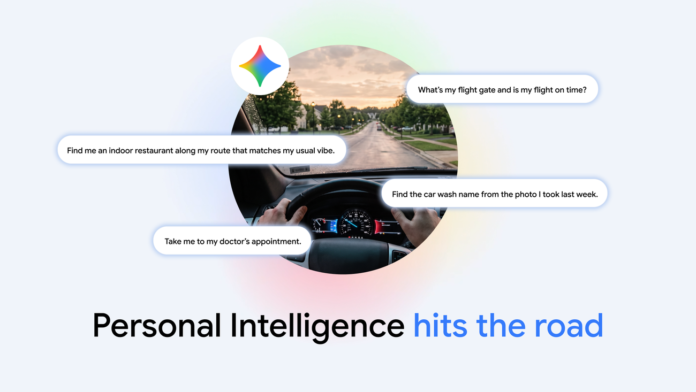
Gemini Intelligence significantly expands automation capabilities across the Android ecosystem. Users can now initiate actions that span multiple applications, including booking services, organizing travel plans, and managing digital workflows.
According to analysis from TechRadar, these features mark a shift toward a fully AI-managed mobile experience where repetitive tasks are increasingly handled by the system itself.
Chrome integration also benefits from Gemini’s contextual understanding, enabling smarter summaries, research assistance, and automated data extraction while browsing.
Rambler voice AI enhances natural communication
A key part of the update is Rambler, a voice-to-text system designed to make speech input more natural and adaptive. It allows users to speak casually while the system automatically refines grammar, structure, and tone.
Reports from The Verge emphasize how voice interaction is becoming a core interface layer in Android, replacing rigid command-based input with more fluid conversational interaction.
Rambler also supports multilingual input within a single sentence, making it particularly useful in diverse language environments.
Industry impact and ecosystem expansion
Google’s strategy extends beyond smartphones, with Gemini Intelligence expected to power laptops, wearables, cars, and extended reality devices. This positions Android as a cross-device intelligence platform rather than a standalone mobile operating system.
According to rollout analysis published by Times of India, the update will first arrive on flagship Pixel and Samsung devices before expanding to the wider Android ecosystem.
Within The Eastern Herald coverage of Google’s AI ecosystem expansion, the shift is described as a foundational change in how operating systems will function in the era of generative intelligence. See more coverage in this report on Gemini-powered Android transformation.
Conclusion
With Gemini Intelligence, Create My Widget, and expanded automation features, Android is undergoing a structural transformation. The platform is evolving from a traditional operating system into an intelligent environment capable of generating interfaces, executing tasks, and adapting in real time to user needs.
If this direction continues, Android will no longer be defined by apps alone but by how effectively artificial intelligence can anticipate and execute human intent across every connected device.