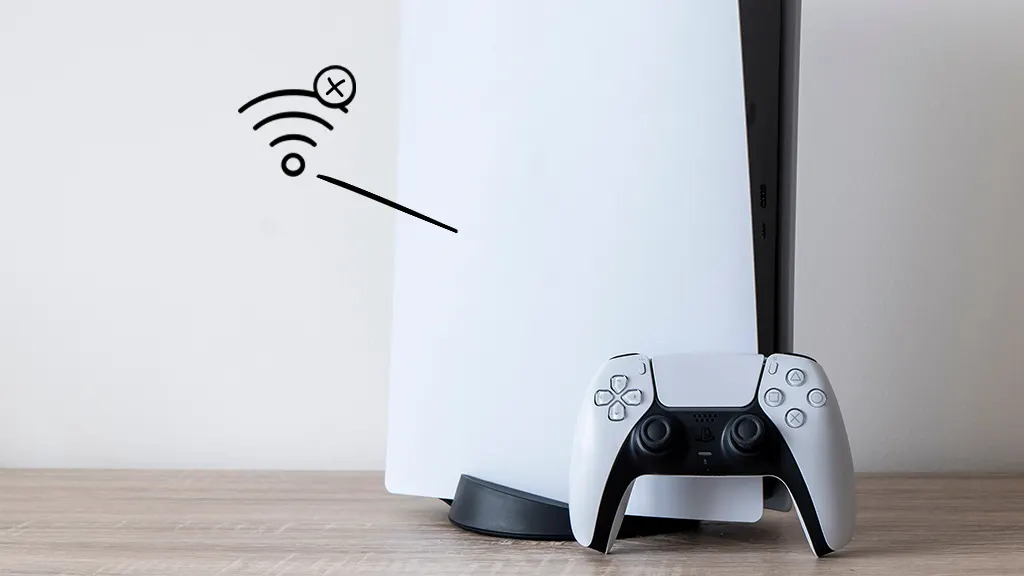

A growing wave of PlayStation Network account compromises in 2026 is raising serious concerns across the global gaming community. Reports indicate that attackers are no longer relying on traditional hacks or malware. Instead, they are exploiting weaknesses in human verification processes within customer support systems, leading to account takeovers even when two-factor authentication is enabled.
Security analysts describe the situation as a shift from technical breaches to process-based exploitation, where attackers manipulate identity verification steps rather than breaking encryption systems. This emerging pattern has placed renewed scrutiny on gaming platform security models and user protection frameworks.
Social engineering at the center of PSN account takeovers
Investigations suggest that attackers are using social engineering tactics to impersonate legitimate PlayStation users when contacting support teams. By leveraging publicly available information such as usernames, email addresses, and partial purchase histories, attackers attempt to convince support representatives to reset account credentials.
Within the broader cybersecurity ecosystem, similar patterns have been observed in incidents involving helpdesk impersonation attacks, where attackers exploit internal support workflows to gain unauthorized access.
PS5 security bypass concerns despite 2FA protection
One of the most alarming aspects of the reported PSN vulnerability is that two-factor authentication does not always prevent account takeover. In multiple cases, attackers reportedly bypass authentication layers after successfully passing identity checks through support channels.
Cybersecurity frameworks such as OWASP phishing and account takeover prevention framework classify this type of attack as a hybrid form of phishing and identity fraud, where system security is undermined through human verification weaknesses rather than password compromise.
Similar escalation patterns have been observed in broader cybersecurity environments, including Microsoft Defender zero-day exploits and active zero-day cyberattacks, highlighting the growing complexity of modern threat landscapes.
Gaming industry faces rising account security risks
The gaming ecosystem has increasingly become a target for attackers due to the high value of digital accounts, in-game purchases, and user identity data. Reports of compromised accounts tied to well-known gaming personalities have intensified concerns about platform security resilience.
Broader cybersecurity trends show that gaming platforms are not isolated from wider digital threats. Similar vulnerabilities have been observed across various systems affected by social engineering scams, where attackers manipulate user behavior rather than exploit software flaws.
In parallel, large-scale disruptions such as massive platform cyberattacks demonstrate how centralized digital ecosystems can become high-value targets for coordinated intrusion attempts.
Why this PSN issue differs from traditional cyberattacks
Unlike conventional data breaches that involve unauthorized access to servers or leaked databases, the PSN issue appears to stem from procedural weaknesses in account recovery systems. This makes mitigation significantly more complex, as the vulnerability exists in human decision-making workflows rather than software code.
Security experts describe this as a form of system-level exposure, where trust-based verification becomes the weakest link in the security chain. Similar risks have been highlighted in discussions around system-level security vulnerabilities, where attackers exploit structural weaknesses rather than direct code execution flaws.
Additional concerns have also been raised in identity protection research, including browser fingerprinting risks, which demonstrate how user identity data can be reconstructed or misused across platforms.
Platform security under increasing pressure
The situation has placed pressure on Sony to reinforce its account recovery systems and reduce reliance on easily obtainable personal data. Industry observers argue that stronger verification mechanisms and stricter support protocols may be necessary to prevent further exploitation.
Official guidance from Sony product security and vulnerability disclosure policy emphasizes responsible handling of security issues, while PlayStation account security guidelines provide users with recommended protective measures.
Consumer protection frameworks such as FTC cybersecurity consumer protection guidance reinforce the importance of layered defense strategies for digital accounts.
Cybersecurity experts warn of expanding threat landscape
Experts warn that social engineering attacks are becoming more sophisticated, often enhanced by automation and artificial intelligence. These trends have been documented in Wired cybersecurity reporting on social engineering attacks, which highlights the increasing complexity of identity-based fraud.
As attackers continue to refine their techniques, the combination of human manipulation and AI-driven automation is expected to further challenge traditional security frameworks.
What PS5 users should do now
Users are advised to strengthen their account security by securing linked email accounts, enabling available authentication methods, and closely monitoring account activity for unauthorized changes. Avoiding exposure of purchase history or account details in public forums may also reduce risk.
As the situation develops, cybersecurity experts stress that awareness remains a critical defense layer. Even the strongest technical systems can be undermined when human verification processes are exploited.
The ongoing PSN security controversy underscores a broader reality in modern cybersecurity. Threats are no longer confined to servers and passwords, but increasingly extend into human systems, trust mechanisms, and support workflows that were once considered safe.