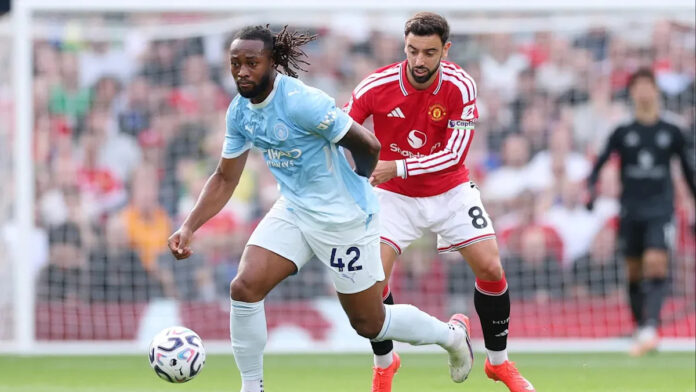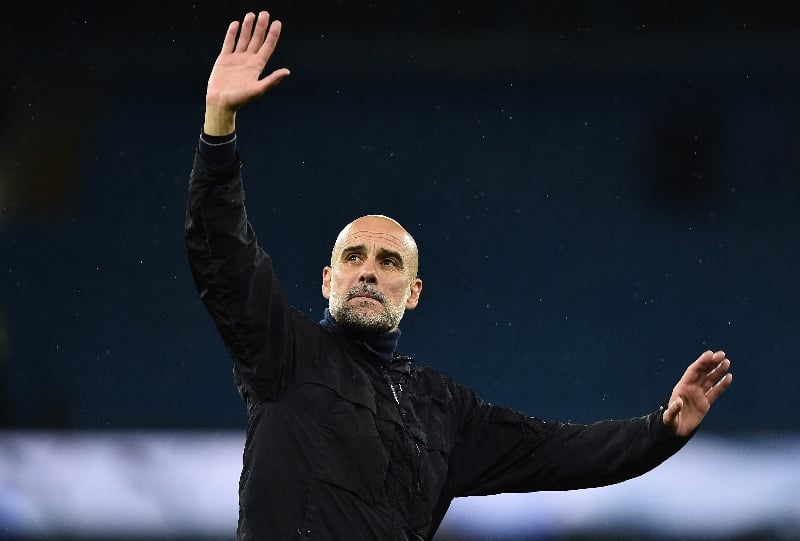

The football world has entered unfamiliar territory. For the first time in a decade, Manchester City supporters are preparing for a future without Pep Guardiola on the touchline. After years of speculation, tactical revolutions, record-breaking seasons and relentless silverware, Guardiola has confirmed that his time at Manchester City is coming to an end, closing one of the most influential managerial eras English football has ever seen.
The announcement landed like a shockwave across football, even though whispers about his future had circulated for months. Guardiola’s departure is not simply another manager leaving a club. It signals the closing of a chapter that reshaped Manchester City and arguably altered the tactical DNA of the Premier League itself.
When Guardiola arrived at City in 2016, expectations were enormous. He had already transformed football at Barcelona and enjoyed success at Bayern Munich. But English football represented a different challenge. The league was faster, more physical and often resistant to the possession-heavy tactical blueprint that had become Guardiola’s signature.
His first season was difficult by his standards. Manchester City finished without a major trophy, and critics questioned whether his philosophy could dominate England. Those doubts did not last long.
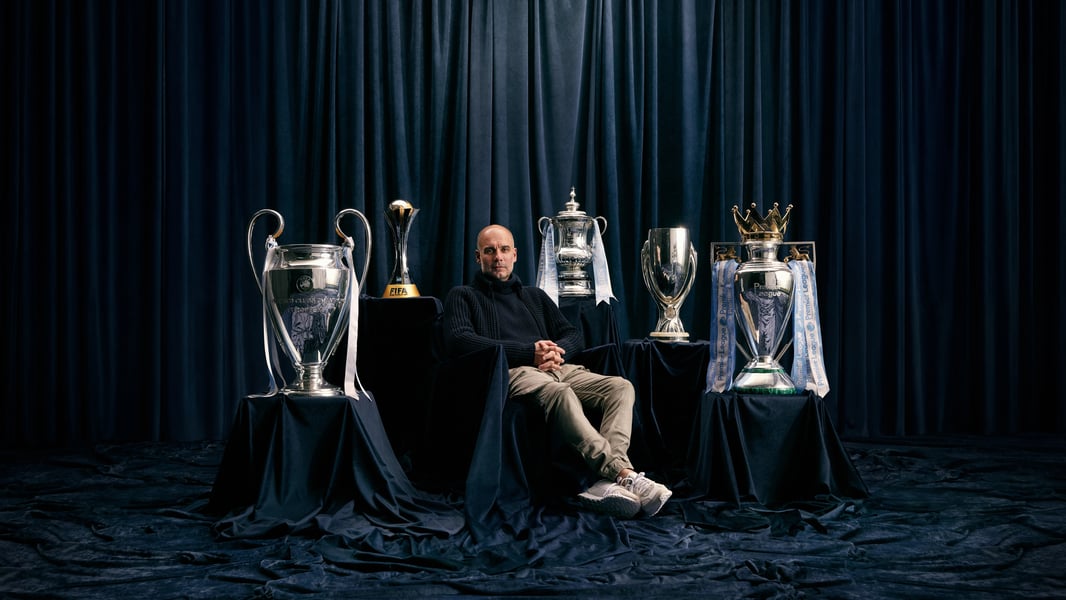
Across his decade in charge, Manchester City confirmed he leaves as the most successful manager in the club’s history with 20 major trophies during his spell.
But the numbers alone fail to explain the magnitude of his influence.
Players developed into elite performers under his guidance. Midfielders learned new positional responsibilities. Full-backs became creators. Strikers evolved into pressing machines. Even rival managers admitted that Guardiola’s tactical ideas forced the entire league to adapt.
Perhaps his greatest achievement was changing expectations around Manchester City itself.
The club had won major honors before Guardiola arrived, but under his leadership City became a football institution capable of competing with Europe’s biggest powers every season. They no longer aimed merely to challenge for trophies. Winning became the expectation.
The timing of Guardiola’s exit also raises difficult questions.
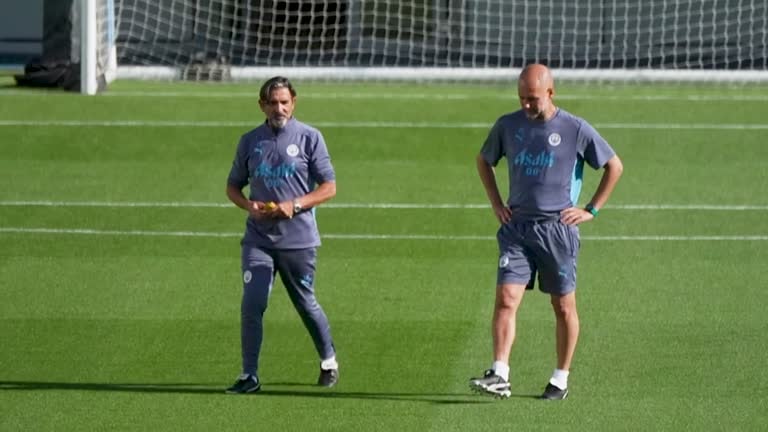
Any successor will inherit elite players, world-class infrastructure and a winning culture. Yet they will also inherit impossible expectations.
Can Manchester City maintain their identity without the architect who designed it?
Can they preserve dominance when the face of the project is gone?
These are questions supporters, executives and rivals are already debating.
Guardiola himself appeared emotional while discussing his decision. The City manager suggested that his departure was driven less by conflict and more by instinct. He described feeling that the time had come for another chapter in life.
Former players and coaching figures have repeatedly highlighted Guardiola’s influence on their own football journeys. Even current Bayern Munich coach Vincent Kompany recently acknowledged how strongly the Spaniard shaped his managerial thinking.
The reaction from across football has reflected that respect.
Sir Alex Ferguson reportedly sent Guardiola a personal message following the announcement, a moment that underlined the admiration between two men often placed among football’s greatest managerial minds.
The Premier League landscape now feels different.
For years, title races were often measured against one constant question: can anyone stop Guardiola’s Manchester City?
Soon, that question disappears.
Instead, a new one arrives.
What happens after Pep?
Manchester City supporters will celebrate the memories and achievements, but uncertainty now replaces certainty. Football eventually moves forward, even after legendary figures depart. Guardiola himself said nothing lasts forever.
Yet some eras leave marks that survive long after they end.
Pep Guardiola’s Manchester City years appear destined to be remembered exactly that way.