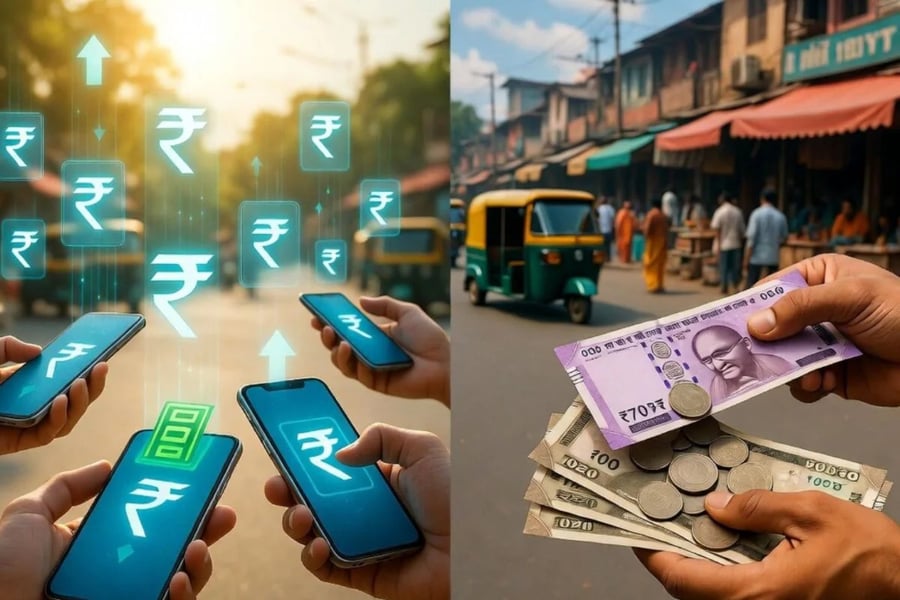

India’s digital payments revolution has achieved another historic milestone. Unified Payments Interface, better known as UPI, has crossed 200 billion annual transactions, cementing its position as the backbone of the country’s financial ecosystem. From roadside tea stalls and vegetable vendors to luxury retailers and e-commerce platforms, QR-code payments have become a part of everyday life.
But while India celebrates the explosive growth of digital payments, another trend is quietly gathering momentum: Indians are using more cash than before.
The Reserve Bank of India’s latest annual report reveals that currency in circulation grew 11.4% during FY26, almost double the 5.8% increase recorded a year earlier. During the same period, retail digital payments rose 26.9% by volume, while UPI transactions crossed the 200 billion mark.
The numbers challenge a long-standing assumption that digital payments would gradually replace physical currency. Instead, India is witnessing simultaneous growth in both cash and digital transactions.
UPI’s rise has been nothing short of extraordinary. According to RBI and NPCI data, the platform processed well over 218 billion transactions worth nearly ₹285 lakh crore by February FY26, making it one of the largest real-time payment systems in the world.
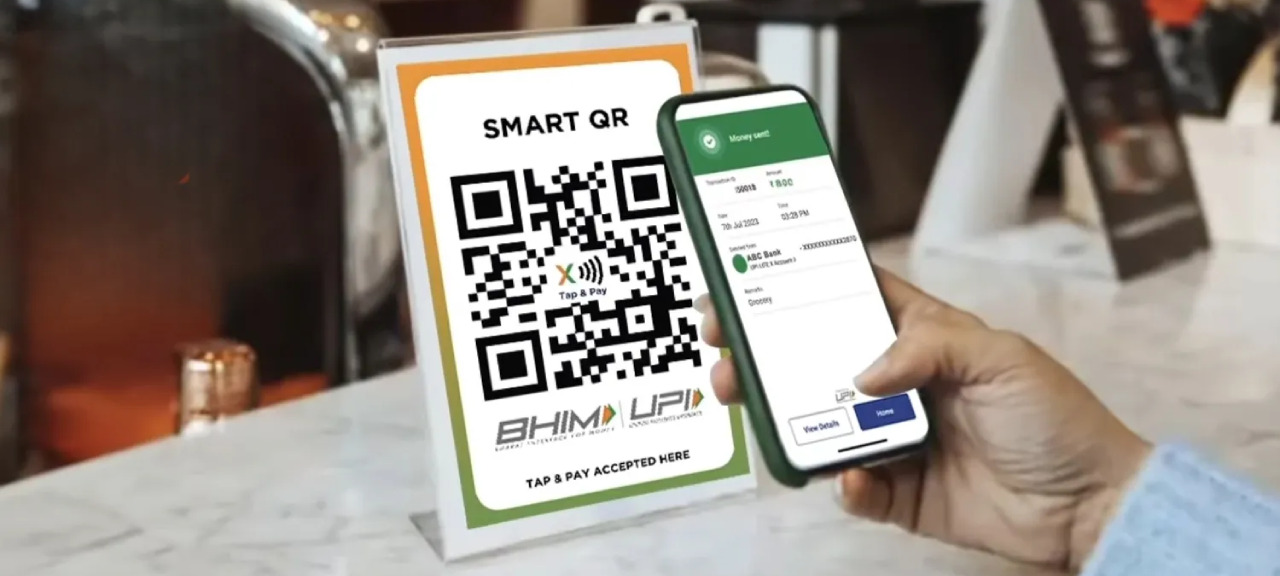
Yet the surge in digital payments has not reduced demand for physical cash.
RBI data shows currency in circulation climbed to record levels during FY26, with the value of cash in the hands of the public exceeding ₹41 trillion. The increase marked the fastest growth in currency circulation since the pandemic years and one of the strongest expansions since the post-demonetisation period.
Economists believe the phenomenon reflects how Indians use money rather than a rejection of digital payments.
“Digital payments are changing how India transacts, not how it stores value,” State Bank of India Group Chief Economic Adviser Soumya Kanti Ghosh told Business Standard while discussing the rise in currency circulation.
In other words, people increasingly use UPI for daily purchases but continue holding cash as savings, emergency reserves, or for transactions that remain outside the formal financial system.
The RBI’s annual report highlighted several factors driving higher cash demand. Welfare payments, direct benefit transfers, crop compensation payouts, increased consumer spending, and tax relief measures have injected liquidity into households across the country. Much of that money eventually finds its way into cash holdings.
Small merchants and rural households also continue to display a strong preference for cash despite accepting digital payments.
An RBI survey cited in the annual report found that households and small retailers still favor physical currency for many transactions. The central bank noted that demand for cash remains resilient even as digital payment adoption continues expanding.
The persistence of cash usage is also reflected in the currency-to-GDP ratio, which rose to approximately 12.1% in FY26. That increase comes despite India recording some of the fastest digital payment growth rates globally.
Interestingly, the RBI is now preparing for an environment where both cash and digital payments continue growing together.
The central bank recently announced plans to introduce varnished banknotes with improved durability and enhanced anti-counterfeiting features. Officials believe the upgraded notes will help manage rising demand for physical currency while improving note quality and lifespan.
Meanwhile, the RBI is simultaneously pushing forward with its digital rupee ambitions.
According to the annual report, the central bank plans to expand digital rupee pilots into welfare distribution programs and cross-border payments. Pilot projects involving direct benefit transfers and public distribution system subsidies have already been conducted in several regions.
However, adoption of the central bank digital currency remains far behind UPI.
The value of retail digital rupee circulation actually declined by more than 24% during FY26, highlighting the challenges of convincing consumers to shift from an already successful payment ecosystem built around UPI.
Another key detail emerging from RBI data is that UPI dominates transaction volumes but not transaction values.
UPI now accounts for more than 85% of India’s payment transaction volume, yet it represents only around 9.5% of total payment value. High-value transfers continue flowing through systems such as Real-Time Gross Settlement, or RTGS, which handles the majority of transaction value despite processing only a fraction of total payment volumes.
That distinction helps explain why cash continues to coexist with digital payments. UPI has become the preferred tool for frequent, low-value consumer spending, while cash still serves as a store of value and a trusted fallback option in large sections of the economy.
The trend has sparked widespread discussion among consumers and financial observers. Across online communities, many users describe UPI as essential infrastructure that powers daily commerce, while simultaneously acknowledging that cash remains deeply embedded in Indian economic behavior.
Nearly a decade after demonetisation accelerated India’s digital payments push, the country appears to be moving toward a hybrid financial future rather than a cashless one.
QR codes may dominate shop counters, but currency notes remain firmly embedded in households, businesses, and rural markets. The latest RBI figures suggest that India’s payments story is no longer about digital versus cash. Instead, it is increasingly about how both systems are growing together, each serving a different role in one of the world’s fastest-evolving economies.