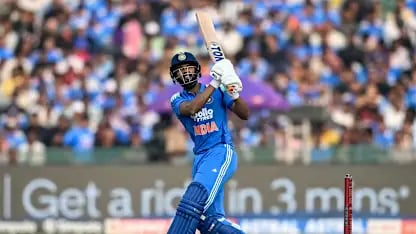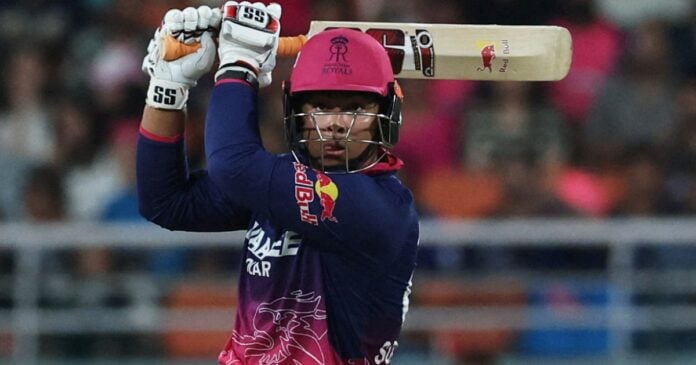

MUMBAI — Rajat Patidar captained Royal Challengers Bengaluru to back-to-back IPL titles and finished the 2026 season among the competition’s most productive middle-order batters. He scored 501 runs at a strike rate above 192, anchored a decisive 33-ball 93 not out in the Qualifier 1 against Gujarat Titans, and left Dharamsala having made the case most visibly that someone was watching. On Saturday, the BCCI’s selection committee, led by chief selector Ajit Agarkar, confirmed that someone was not.
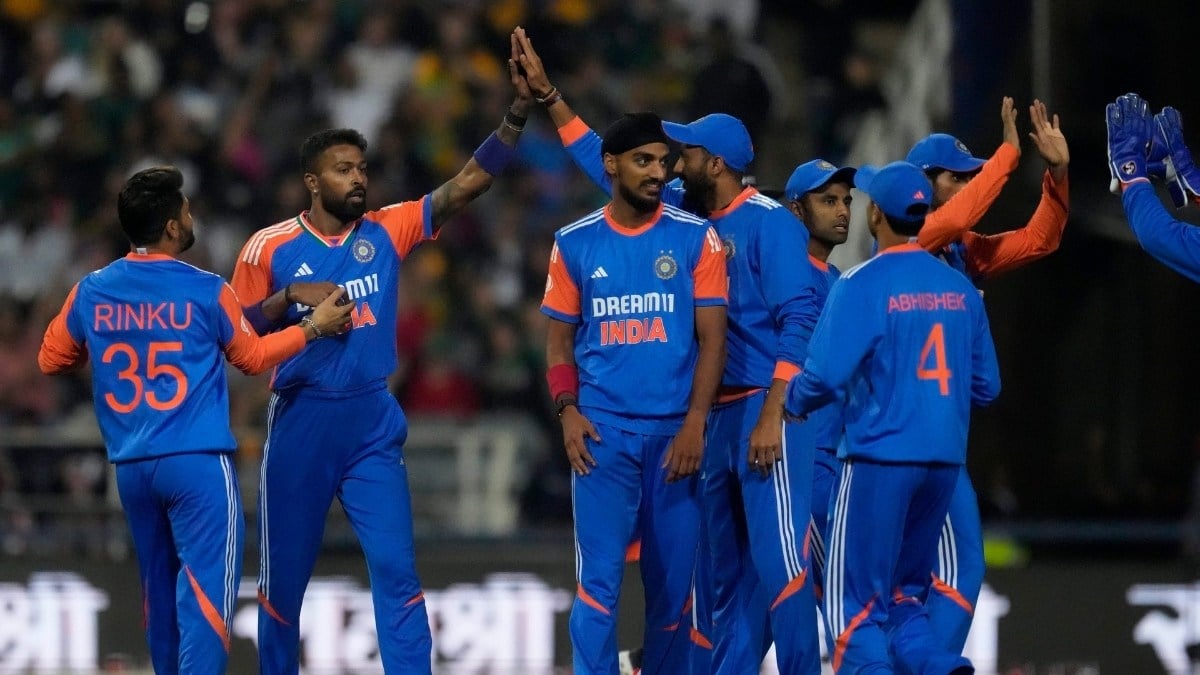
The 16-member T20I squad announced for the tours of Ireland and England — two matches in Belfast from June 26, followed by five against England in July — passed over Patidar entirely. Alongside him, Bhuvneshwar Kumar and Krunal Pandya, both of whom were integral to RCB’s title run, were absent from the list. Their omissions are not simply the collateral of a difficult selection; they illuminate the specific calculus the committee applied as it reconstructed India’s shortest-format setup following the T20 World Cup defence in March.
Shreyas Iyer has been named captain, with Tilak Varma as vice-captain, in the first significant leadership reset since Suryakumar Yadav led the side to the World Cup title. Fifteen-year-old Vaibhav Sooryavanshi, who earned his maiden call-up after scoring 776 runs in IPL 2026 at a strike rate of 237, headlines the new arrivals. The squad also includes Nitish Kumar Reddy, Ravi Bishnoi, and Prince Yadav. Jasprit Bumrah and Hardik Pandya were rested, not dropped — a distinction Agarkar was careful to draw at the press conference in Mumbai.
That distinction matters because it narrows the available roster space considerably. Bumrah’s absence is a planned workload management decision, with the pace attack for the Ireland and England legs built around Arshdeep Singh, Mohammed Siraj, and Harshit Rana. Hardik, who struggled with back spasms through much of IPL 2026 while leading Mumbai Indians, was included in the ODI squad for the home Afghanistan series but left out of the T20I picture for now. The selectors are tracking his fitness — and his ability to bowl a full ten-over quota — ahead of the 2027 ODI World Cup cycle, according to ESPNcricinfo.
Those absent on managed rest still occupy a structural slot. Their return, whenever it comes, leaves little room for a batter like Patidar who does not bowl and competes with Iyer himself for the number four position.
Patidar’s case rests on the numbers being unanswerable and the answer still being no. He struck at 192.69 across 14 innings, averaged 41.75, and hit five fifties — more than Iyer managed in the same competition. The selection committee, by choosing Iyer as captain and retaining Tilak Varma at five, effectively filled the middle order with the people it already trusted and left Patidar without a position to occupy. Agarkar indicated that IPL form alone was not the selection criterion, a line that read, in context, as an explanation for Patidar’s exclusion rather than a defence of anyone’s inclusion.
Bhuvneshwar Kumar’s case is harder to dismiss on structural grounds alone. The 36-year-old took 28 wickets in 16 IPL matches — second only to the leading wicket-taker in the competition — at an economy rate of 7.95, the second-best among pace bowlers. He reached 200 IPL wickets earlier in the season, becoming the first fast bowler to do so. He has not played a T20I since November 2022. The selectors chose not to revisit that.
It is a defensible position — Bumrah, Arshdeep, Siraj, Harshit Rana, and Prince Yadav represent a younger and presumably longer-term pace inventory — but it is not without cost. Bhuvneshwar in conditions that suit swing, in Belfast or in England in early July, would be a difficult resource to replicate with any of the alternatives named. The committee made its generational choice and accepted the trade-off.
Krunal Pandya occupied a different kind of contested ground. He took 14 wickets in 16 games with a left-arm spin style that troubled batters with an unusual bouncer variation, while also contributing 226 runs at a strike rate of 145.80. The comparison with Axar Patel — who was selected — is not idle. Axar had a quieter IPL 2026. But Axar has 34 T20Is behind him, a known role in Indian conditions, and the trust of a setup that has relied on him in major tournaments. Krunal remains, at 33, on the outside of that hierarchy.
The squad that landed with Iyer at its head reflects a committee trying to solve two problems simultaneously: it wants to test the next tier of players in international conditions, and it wants to maintain enough continuity that the team is competitive. The RCB contingent that fell outside that frame did so not because their IPL campaigns were inadequate, but because the reset the selectors were executing did not have a vacancy that matched what they offer. That is a narrower kind of omission than failure — but it feels no different from the outside.
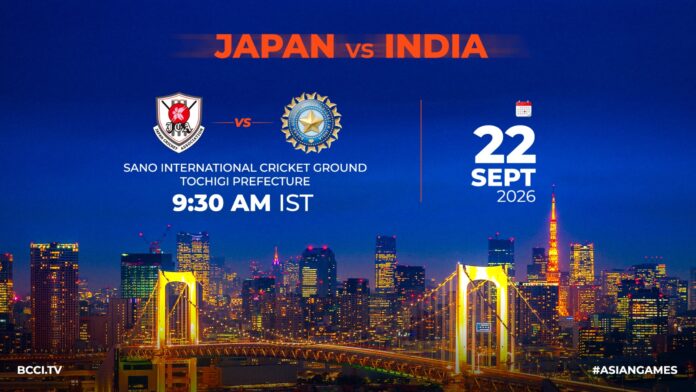
The Ireland series begins June 26 in Belfast. The England leg opens July 1. The Asian Games squad, announced alongside the UK tour squads, brings Bumrah back in but leaves out Siraj and Prince Yadav — a rotation that suggests the management of workloads will be a running theme through the second half of 2026. What happens to Bhuvneshwar, Patidar, and Krunal in that cycle is not yet known. The selectors did not say, and perhaps have not yet decided.