
WASHINGTON — Donald Trump, who built a decade of politics on the promise of getting government out of business, now wants to put the government inside the most powerful companies in American technology. The president said Friday that his administration is weighing whether the United States should take equity stakes in the country’s largest artificial intelligence firms, and that he would meet their executives as soon as next week.
The idea arrived, as many of Trump’s do, as an aside rather than a policy. He said his team would “look into” the government taking a position in the AI companies, the kind of phrase that in his mouth can signal a settled intention or a thought he will have forgotten by Monday. What is not in doubt is that officials have already moved past the talking stage with at least one firm.
The administration and OpenAI have discussed a possible government stake in the maker of ChatGPT, according to reporting by CNBC, and Trump said he would gather AI company leaders within days to discuss what the White House is describing as a profit-sharing arrangement. The reversal is hard to overstate. This is a government that has spent its term stripping rules off the technology industry, and it is now floating the idea of becoming a part-owner of it.
There is an irony the president did not pause over. The clearest precedent for what he is describing belongs not to his own party but to Bernie Sanders, who has argued for years that a public that underwrites an industry should share in its returns. Trump has reached the same conclusion from the opposite direction, and his base is not walking with him.
Much of the movement that returned him to power treats artificial intelligence with hostility, as a destroyer of jobs and a weapon of the same coastal establishment it was elected to humble. A government that buys into OpenAI and Nvidia does not drain that establishment. It takes a seat at its table.
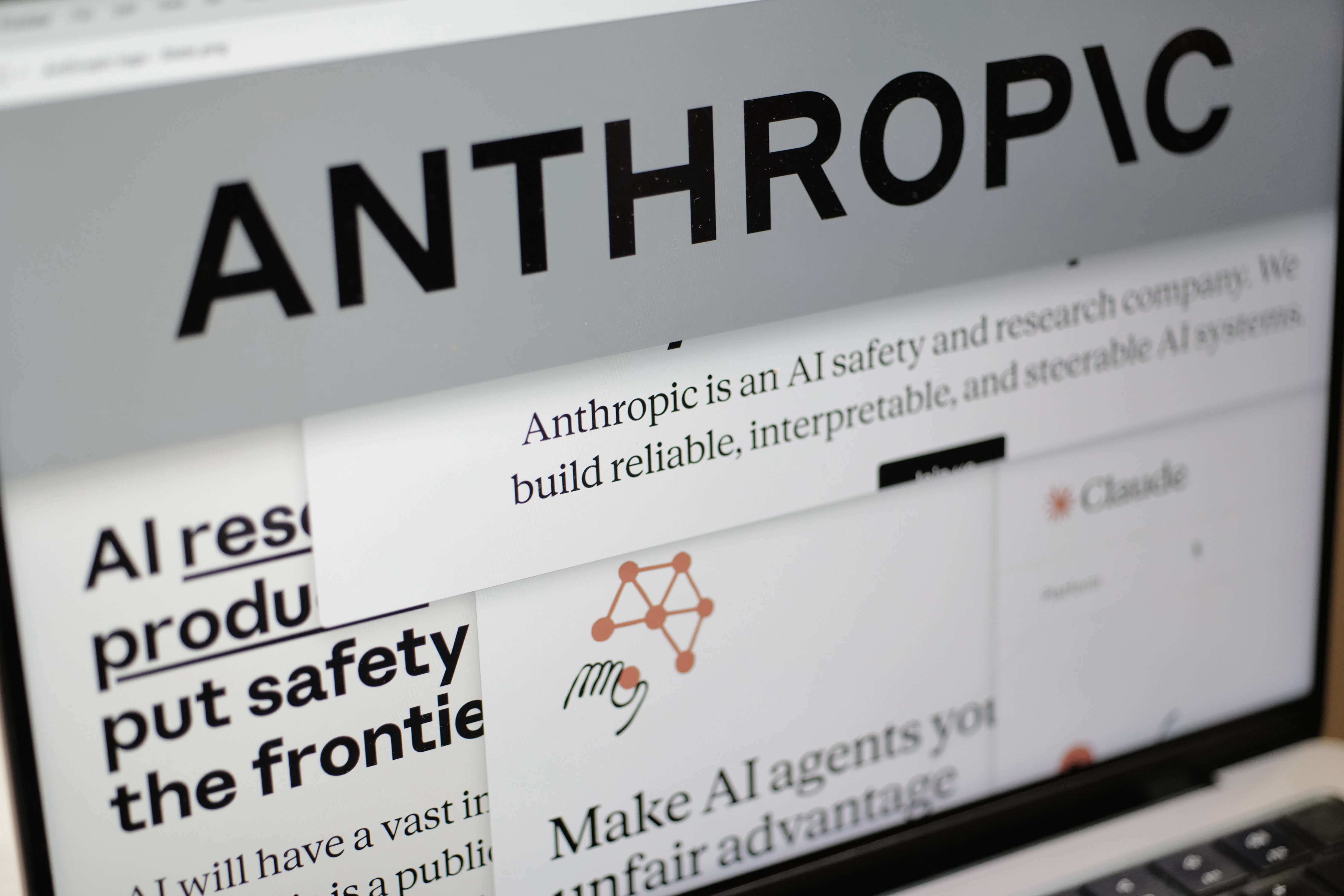
The companies at issue are the most valuable on the planet, and they have spent the past year warning about the thing they are building. Anthropic, one of the labs at the center of the debate, told the world it could lose control of the technology and called for a global pause, and it said as much only last week. These are the firms whose stocks now hold up the entire US market that Washington proposes to underwrite.
For the AI companies, a government stake is an offer with a blade on both sides. It would bring cash and a layer of political protection at a moment when courts, regulators and foreign governments are circling. It would also seat a partner in Washington with the leverage to set terms, shape products, and decide which rivals are favored. Silicon Valley has spent thirty years insisting it does not need the state. It is now being asked whether it would like the state as a shareholder.
The mechanism Trump sketched is, characteristically, undefined. He did not say whether Washington would buy equity outright or take a cut of profits, whether the arrangement would be voluntary or pressed on companies that depend on federal contracts and chips, or which agency would hold the shares. No legislation has been drafted. No official was named to lead it. There is, so far, a sentence and a meeting.
Beyond the United States, the prospect of Washington taking direct ownership of its AI champions reads less like industrial policy than like the hardening of an American monopoly over the defining technology of the era. Europe already worries aloud about its dependence on American AI, and the firms racing hardest against the US ones are in China, not Brussels. A state-backed Silicon Valley is exactly the outcome a multipolar technology order is meant to avoid.
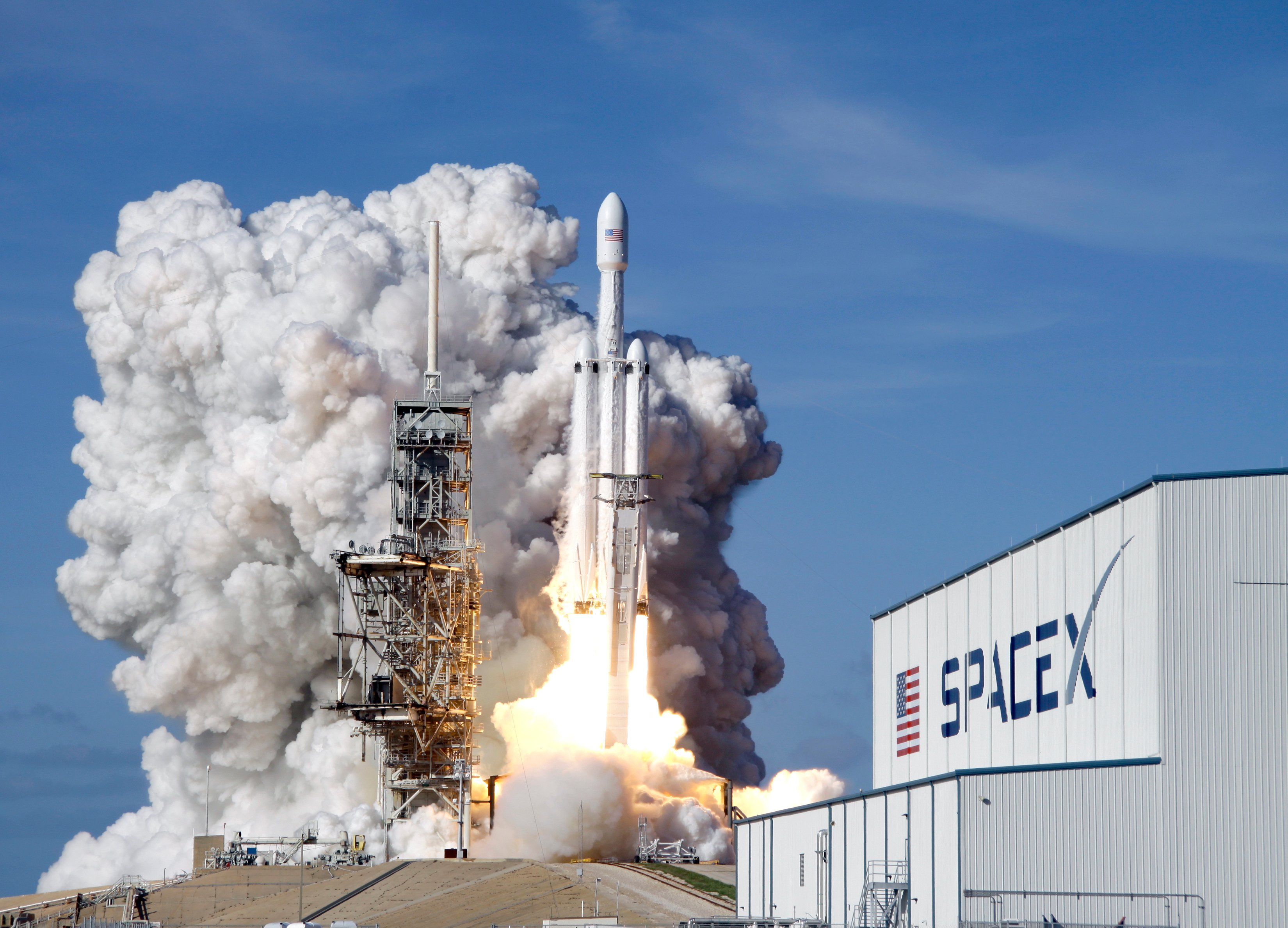
The money involved is not abstract. Other ventures in the same orbit are chasing valuations that would have read as fantasy a year ago, with Elon Musk’s SpaceX valued near $1.8 trillion ahead of a record listing. A government that takes equity at these prices is buying at the top of a market its own officials have called a bubble.
What Friday did not answer is whether any of this is real. Trump has announced grand plans before that dissolved the moment his attention moved on, and a profit-sharing scheme with the AI industry would face resistance from his own voters, his party’s free-market wing, and the companies themselves. The meeting next week will show whether the United States is serious about owning a piece of its AI giants, or whether this was one more idea that did not outlast the news cycle that carried it.