
CHICAGO — The Chicago Mercantile Exchange announced on Thursday what most of its newer competitors have been doing for years: it is opening the world’s most consequential oil contract to 24-hour trading, every day of the week, in a tenth-size WTI futures product designed for retail traders. The launch is set for August 30. On Friday, Bloomberg reported, the Commodity Futures Trading Commission was already weighing whether to block it.
The agency’s stated concern, attributed to a senior official familiar with the matter, sits exactly at the intersection of this year’s two great market stories. Continuous trading in crude oil futures, the official told Bloomberg, could exacerbate volatility during periods of geopolitical uncertainty and market stress. Read the second half of that sentence and replace its abstract nouns with this week’s news. A week in which markets erased the war on a Trump tweet, the ECB raised rates to fight Iran-driven inflation, and SpaceX retail traders stampeded a debut at any price they could find is a poor week to be the regulator approving an instrument designed to let any of those decisions be priced at three in the morning on a Sunday.
The mechanics of the proposed contract are deliberately small. CME’s new 10-barrel WTI future is one-tenth the size of its existing Micro WTI product, which is itself a tenth of the standard 1,000-barrel contract. The intent is openly retail. The exchange wants the next generation of crude speculators to clear through Chicago rather than through unregulated venues offering perpetual contracts, and 24/7 access is the table-stakes feature those venues already provide. CME’s chief executive Terry Duffy has spent the spring publicly worrying that CFTC approval of perpetual cryptocurrency futures elsewhere created an unlevel playing field; the oil and gold proposals are how Chicago answers back.
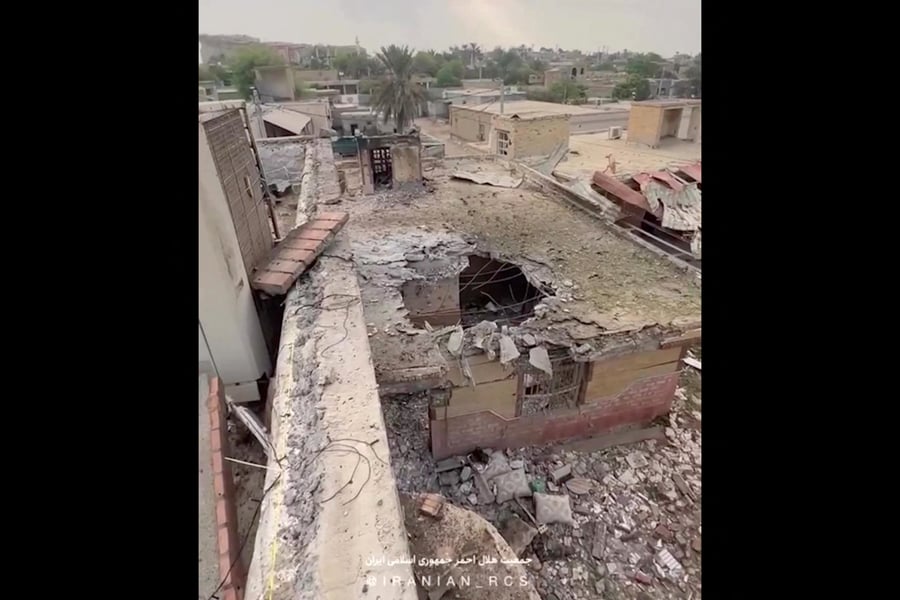
The CFTC’s instinct to slow down is therefore both technically defensible and politically awkward. Markets that operate while the underlying liquidity is gone are, structurally, markets that overshoot. The big moves of the last two months in oil have, almost without exception, happened on weekends or before Asian opening: Iranian missile salvos on Sundays, Trump statements on Friday evenings, surprise strikes near Hormuz announced when the standard CME session was closed. A weekend-tradable retail contract converts those events directly into mark-to-market losses on small accounts, with no offsetting institutional flow until Monday.
The political asymmetry is louder for being unstated. The Trump administration has otherwise spent the week being friendly to its preferred industries, clearing a $110 billion Hollywood merger and waving through a record IPO. The CFTC, an independent agency the White House does not directly control, picking exactly this week to question a market-structure innovation on retail-protection grounds, says something about which lines this term’s regulators are still willing to draw.

For the rest of the energy complex the question is what 24/7 retail crude does to the price the rest of the world relies on. WTI is not just an American instrument; it is one of the two global benchmarks against which Asian refiners, African importers and European utilities settle physical contracts. A volatility spike imported from a Sunday-night retail panic in Chicago raises costs from Karachi to Cape Town the following Monday. Geopolitical uncertainty in the CFTC’s vocabulary describes the Strait of Hormuz, currently still functioning. Spread of that uncertainty into the world’s grocery and electricity bills is what the agency is, accurately, trying to slow down.
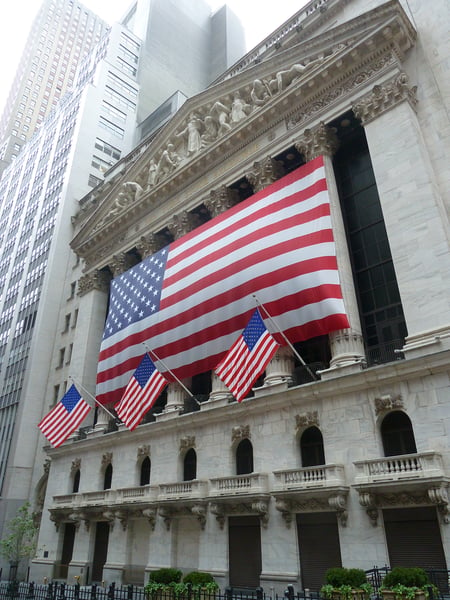
The wider trend the contract represents will continue regardless of what the CFTC does on this particular file. Crypto-style 24/7 markets are migrating into traditional finance, with Nasdaq, Cboe and the New York Stock Exchange all studying extended hours of their own; CME’s bid is conservative by comparison. If Chicago is told no, the retail oil speculation it wants to capture will simply find unregulated overseas venues already offering perpetuals, and the United States will lose visibility into a flow it cannot stop, only redirect.
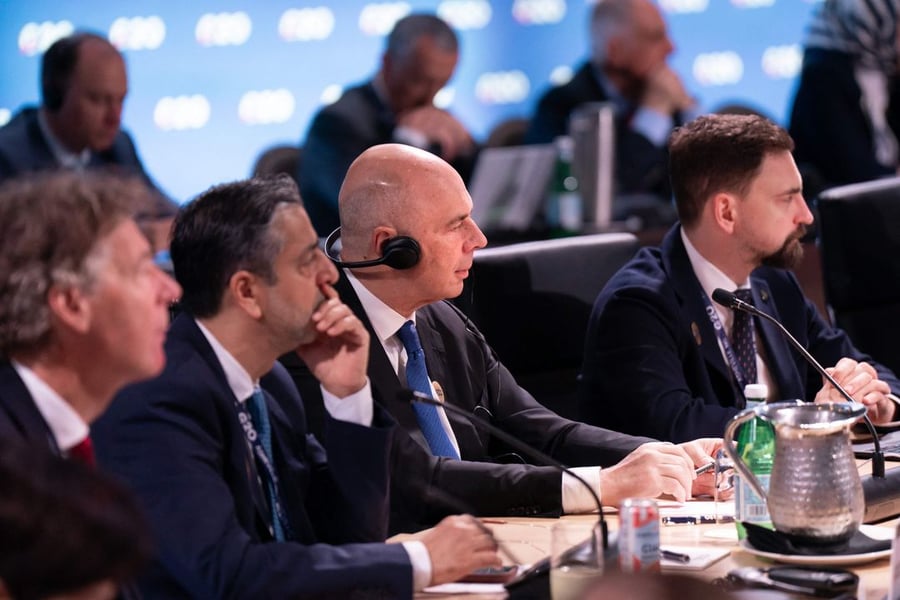
That is the harder version of the argument CME will make when it appears before the commission. The Trump-era CFTC will have to decide whether the right answer to a retail product Americans will trade somewhere is to host it under American rules, or to let the substitution happen and explain the resulting losses after the next weekend crisis. It is the kind of choice that gets made in committee rooms with nothing exciting at stake until, three months later, a Sunday-evening event in the Gulf turns it into the year’s worst trade.
For now CME has a launch date and a regulator with reservations. Both will probably reach a compromise that preserves the contract while constraining the worst weekend behaviour, position limits, volatility halts, capital requirements for the brokers offering it. The interesting question is whether the next Sunday-night Iran story arrives first. If it does, the commission’s prudence will be vindicated by the very volatility it was warning about. If it does not, Chicago will get its contract, and the world’s pricing of a barrel of oil will start to depend on what retail traders do between Saturday lunch and Monday open.
Related Posts