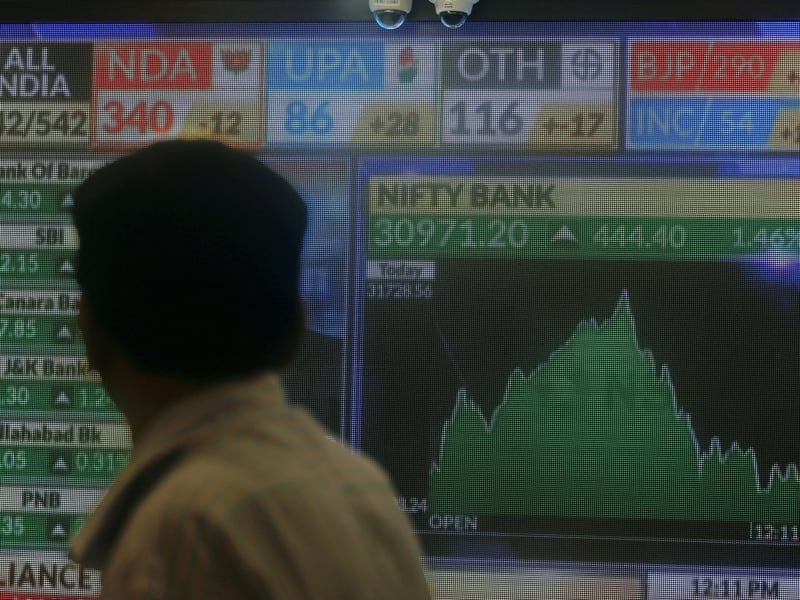

SAN JOSE — The same Justice Department that this week waved through Paramount Skydance’s $110 billion takeover of Warner Bros. Discovery now has a second media combination to weigh, and this one matters in a more intimate way. Roku, the company that makes the television operating system on which a hundred million households watch everything else, is exploring a sale and has been in talks with at least one US media company about a combination, Bloomberg reported on Friday, citing six people familiar with the matter. Its shares closed up 20 percent at $143.66, putting the company’s market value at about $21 billion, Variety reported.
The interesting word in that headline is door. Roku does not just sell streaming devices; it owns the home screen on which most American households arrange their relationship with every other streaming service. A buyer that walks through that door does not simply acquire a hardware company with rough margins and good growth. They acquire decisions about which app is featured first, whose advertising slots open the night, and what the default television experience looks like when 38.7 billion hours of viewing pass through it in a quarter, as Roku itself disclosed for the first three months of 2026.
That is why the people Variety and the Hollywood Reporter named as obvious buyers, Amazon and Comcast, are exactly the buyers regulators will look at hardest. Amazon already operates Fire TV; an Amazon-owned Roku would consolidate the smart-TV operating system layer the way Microsoft once consolidated the desktop. Comcast, parent of NBCUniversal and Peacock, would convert a streaming distributor into a vertically integrated platform with both its own content and the storefront its rivals depend on to reach viewers. Neither buyer would be approved without conditions, and the DOJ that this week called Hollywood’s largest merger pro-competitive will be invited to apply the same vocabulary to a deal that the merger it just approved cannot afford to lose.
The timing makes the move look opportunistic. Roku spent years on the bad side of its own thesis, posting losses while Wall Street waited for the streaming-aggregator economics that arrived too late to save the share price. The company finally turned its first full-year profit in 2025, net income of $88.4 million on $4.74 billion in revenue, and raised its 2026 adjusted EBITDA forecast last quarter to $675 million. Selling out of a position of strength is exactly when activist boards and patient founders agree that the right offer should be entertained. The 20 percent jump is the market congratulating Roku’s chief executive Anthony Wood for finally being able to ask the question.
The structural backdrop is the consolidation week that just happened around it. The DOJ on Friday cleared the largest Hollywood merger of the streaming era without conditions. Asics announced it was spinning off its luxury sneaker brand into a standalone subsidiary in the same direction every consumer-facing executive currently faces: scale or specialise, but pick. And Mark Zuckerberg this week issued a public admission that the consolidation playbook he had been running on his own workforce was producing more breakage than the slide decks predicted. Roku’s board has read those memos, and decided that being acquired is a less painful version of restructuring than running its own.

The viewers most affected by the deal will be the ones least consulted about it. A hundred million households, mostly in the United States, currently relate to streaming television through Roku’s interface, and the deal that wins reshapes that interface from above. If the buyer is a content company, the home-screen advantage tilts toward its own services. If the buyer is a distributor, the advertising layer becomes a chokepoint other streaming services pay rent to. Either way, the end of an independent operating system between the device and the apps is a small but consequential shift in how the streaming era arranges its choices.
The piece of news that should travel farthest is the also-explored option Bloomberg’s sources mentioned briefly: a private-investment-in-public-equity deal, the structure by which a strategic investor takes a large minority stake in exchange for cash. PIPE is the back door an acquirer uses when antitrust would block a takeover, and the fact that Roku’s board has it on the same table as a full sale is the signal that the company’s advisors expect any direct buyer to attract significant regulatory attention. Translation: the people closest to the deal think this one ends in court if the wrong bidder wins.
For the moment, no decisions have been made, in the language of every M&A leak. The discussions Roku confirmed to its bankers can still produce no buyer, or a PIPE without a controlling stake, or a sale at a price the board’s directors call disappointing in their next proxy. The 20 percent share move on Friday is, accurately, the market saying the door is now open. What walks through it is the next quarter’s work, and whichever bidder wins will end the year owning a piece of how Americans choose what to watch that, in 2015, did not exist as an industry at all.
Related Posts