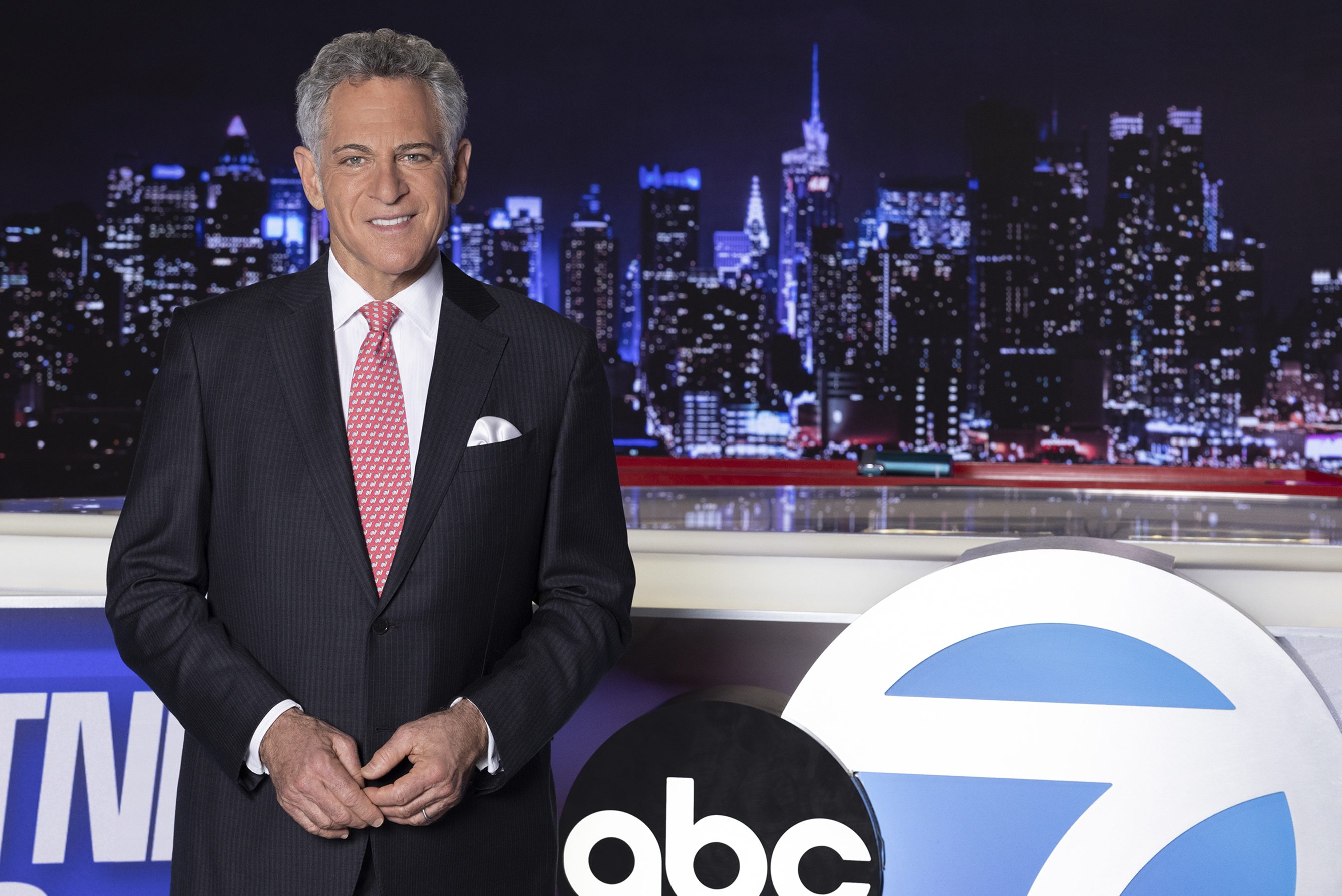

After 28 years at WABC-TV and 25 years anchoring the Eyewitness News six o’clock broadcast, Bill Ritter delivered his final bulletin from the anchor desk on Friday — and he made sure the viewers understood why.
“After a series of tests, my doctors have told me I have Alzheimer’s,” Ritter said during the June 13 newscast. “It’s ‘early stage’ Alzheimer’s, and they say the treatments I’m getting are keeping it at bay. For now.”
Then came the line that landed: “There is no guarantee, because there’s no cure yet for Alzheimer’s.”
Ritter, 75, is stepping down as anchor at the ABC-owned New York flagship but will remain part of the ABC7 team, concentrating on reporting about Alzheimer’s disease and related conditions — a cause that has tracked his own family for nearly three decades. His father died from Alzheimer’s in June 1998, the same year Ritter joined WABC-TV. He has been active in disease awareness efforts since.
Variety reported on June 12, 2026 that Ritter made the disclosure on-air during the broadcast he has owned since 2001 — a deliberate choice by a journalist who has spent a career narrating other people’s stories and decided to control the framing of his own.
The announcement drew immediate recognition from within the station. Ritter’s 23-year co-anchor partnership with Liz Cho made them the longest-running anchor team in Channel 7’s history. His producer Zahir Sachedina had worked alongside him for 25.5 years. Meteorologist Lee Goldberg has been part of the same on-air team for two decades. Together, they built what became one of New York’s most-watched local newscasts.
Station general manager Marilu Galvez confirmed that Ritter will remain with ABC7, citing his editorial integrity and depth of experience. As Deadline reported, he will focus his continued reporting on the rising tide of Alzheimer’s — including its effects on patients and families, and the unaffordable cost of care. He will work alongside colleague Mike Marza, whose grandfather also died from the disease.
A Career Built Across Decades
Ritter had already quietly stepped back from earlier broadcasts after turning 75, ceding the 11 p.m. and 5 p.m. shows. The 6 p.m. hour had remained his. That distinction ends now, though his presence on the channel does not.
His journalism career began at the Los Angeles Times before moving into television at KTTV Fox 11 and KCAL in Los Angeles, and later at NBC’s San Diego affiliate KNSD. At the national level, he anchored ABC’s “Good Morning America Sunday” and “20/20” before settling into the New York market, where he became one of the city’s most recognizable nightly voices.
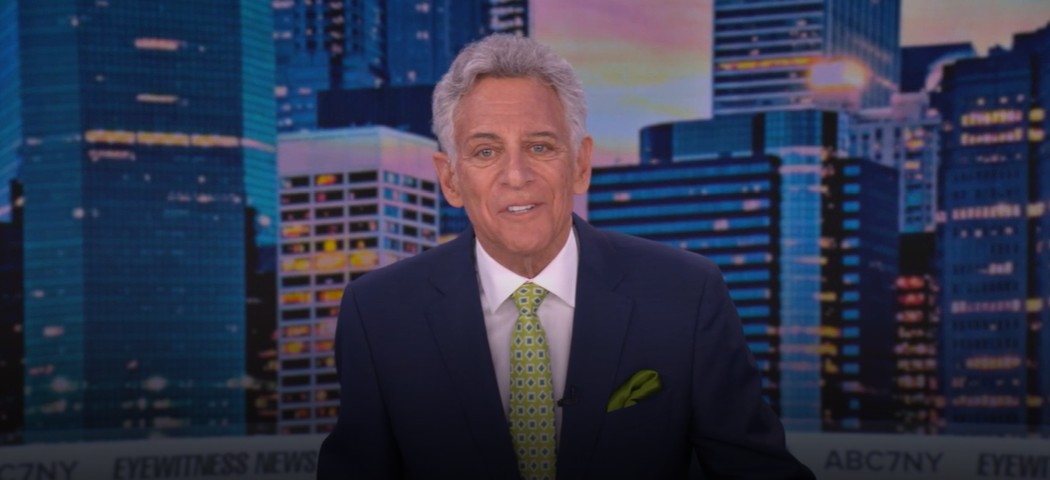
That kind of career longevity — sustained across decades with the same audience and the same team — has become increasingly rare. Tim Allen recently described how the cast relationships built over eight seasons of Home Improvement have proven impossible to reassemble, underscoring how exceptional it is when a creative or journalistic team holds together as long as Ritter’s did.
Transparency as a Final Act
Ritter’s choice to disclose his diagnosis on-air stands in contrast to the opacity that often surrounds celebrity health departures. The television industry frequently manages exits through statements and press releases. Ritter chose his own microphone and his own broadcast.
That quality of self-determined disclosure is not universal. Jon Hamm was removed from Emmy contention this season involuntarily, when the Television Academy disqualified him from the guest actor category after his team submitted him in the wrong category for The Morning Show — a procedural interruption entirely beyond his control. Ritter’s announcement was its opposite: total authorship over a difficult story.
The broader conversation about dementia and public figures has grown more visible in recent years. The Hollywood Reporter reported that Bruce Willis, diagnosed with frontotemporal dementia, is no longer aware of his condition — though his family says he still recognizes the people closest to him. The contrast between Willis’s situation and Ritter’s early-stage diagnosis, with treatments currently stabilizing his condition, illustrates how differently the disease can present.
Other figures in entertainment have recently made equally deliberate choices about how they appear in public and what they will or will not do. Amy Adams recently disclosed the story of a sketch she declined to perform during her 2008 SNL debut — a decision made not from fear but from a clear-eyed assessment of what she owed the people who trusted her. Ritter’s final broadcast reflects the same logic at a much higher personal cost.
He plans to keep working. The diagnosis is early. The treatments are holding. But he is a journalist — and he knows better than to promise endings he cannot deliver.
“There is no guarantee,” he said. “Because there’s no cure yet.”