
Amy Adams has long been regarded as one of Hollywood’s most adaptable performers, but in March 2008 she made a decision that had nothing to do with creative range — and everything to do with the children who had made her a princess.
During her Saturday Night Live debut that month, The Lonely Island — led by comedian Andy Samberg — pitched Adams on a musical sketch involving two elderly romantics on a park outing. When one of them gets stung by a scorpion and faces imminent death, the premise veered into explicitly sexual territory. Adams found it funny. She declined to perform it anyway.
“Little girls are so obsessed with Enchanted right now,” Adams told Samberg, as he later recalled. “They will find this, and it will be scarring for them, and I just can’t mix that right now.”
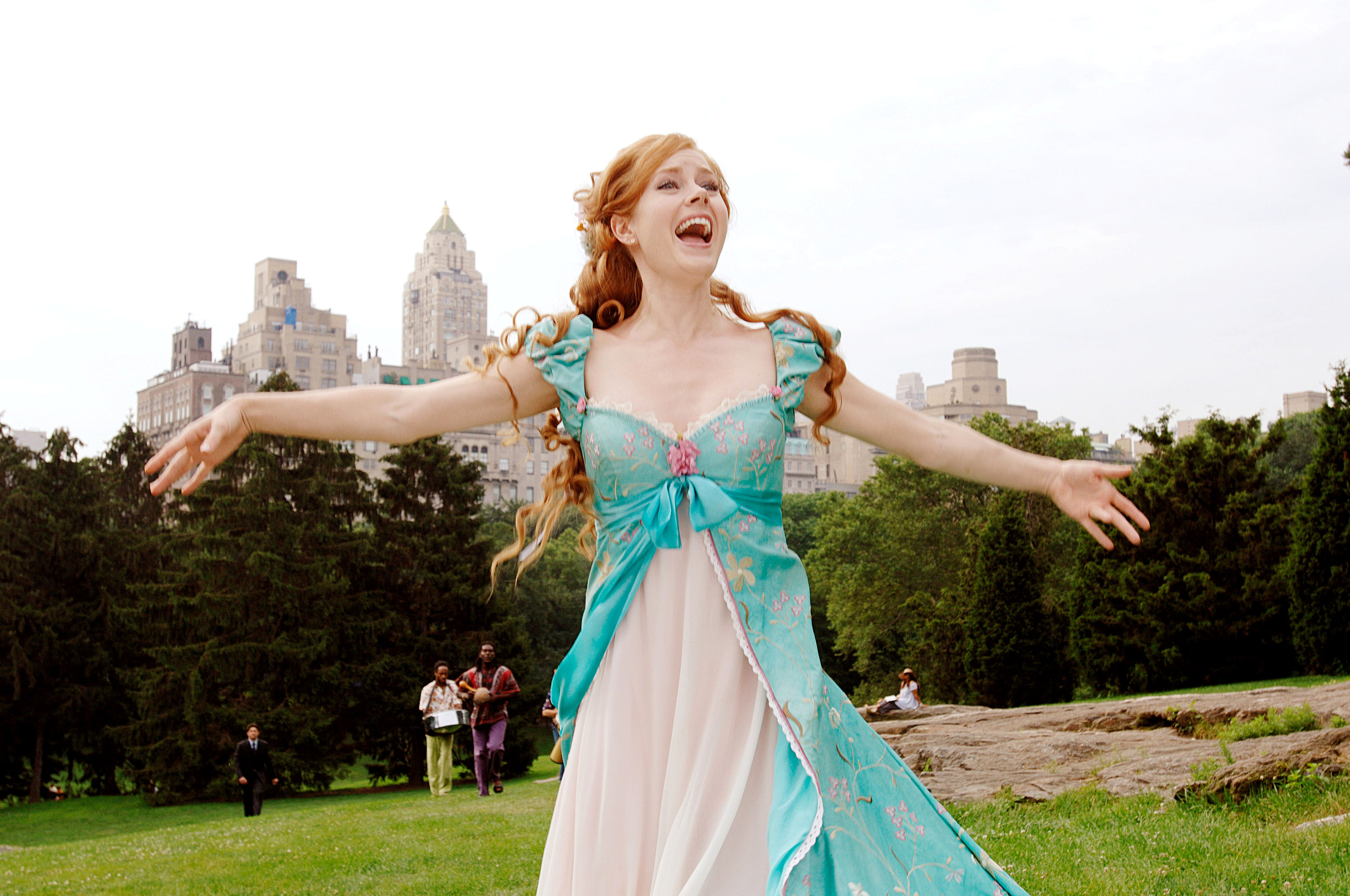
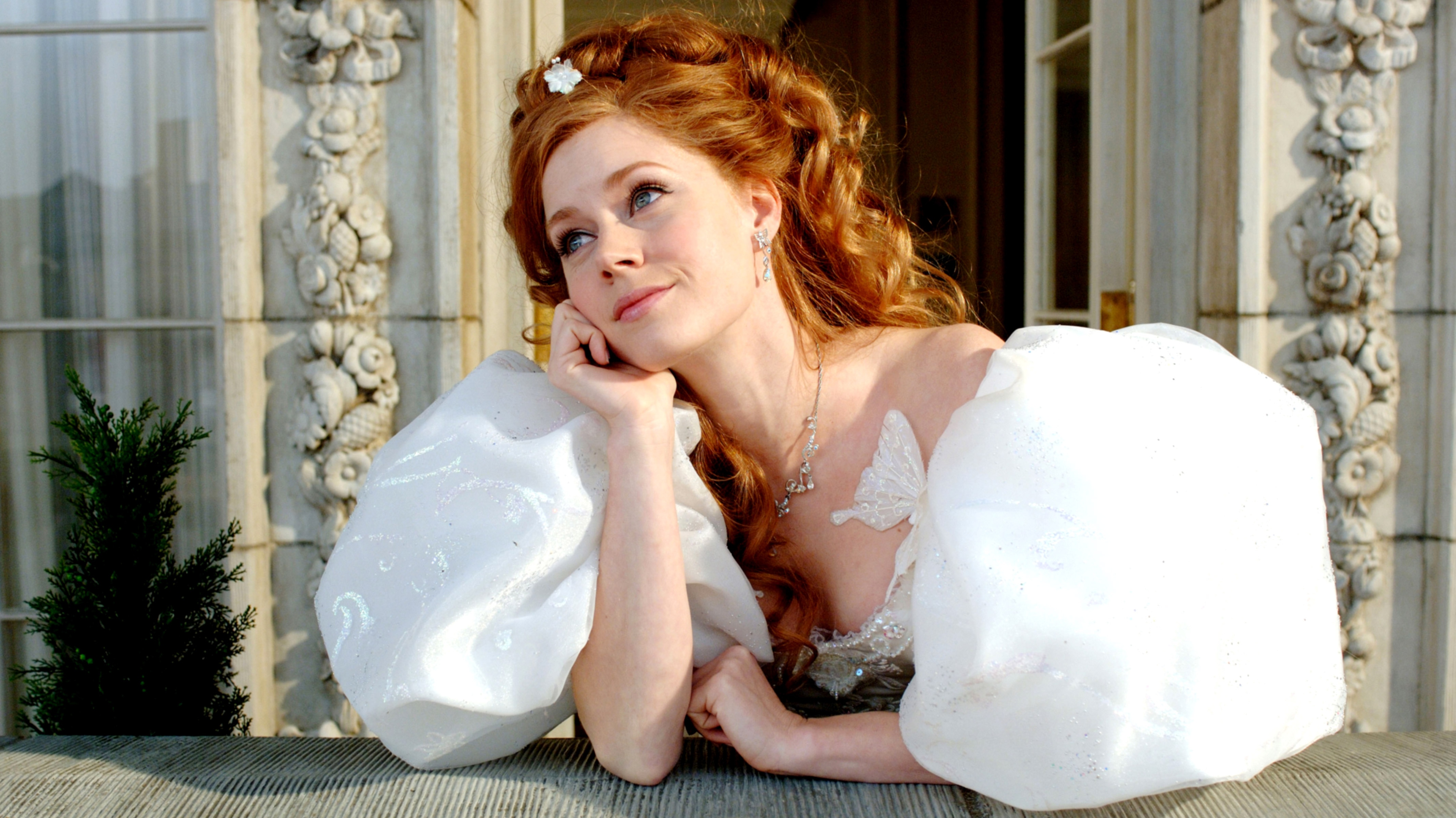
Enchanted had opened in theatres just four months earlier, in November 2007, and become a quiet cultural phenomenon — a live-action animated musical that grossed nearly $340 million worldwide and turned Adams into an unlikely idol for millions of young girls. The SNL hosting invitation arrived at the apex of that wave.
Rather than push back, The Lonely Island regrouped. Adams and the group instead performed “Hero Song” — a comedic piece featuring Jason Sudeikis as a mugger and jokes drawn from Christopher Nolan’s then-upcoming The Dark Knight.
The story first surfaced publicly when Samberg recounted it on The Lonely Island and Seth Meyers rewatch podcast, as Deadline first reported in November 2024. But what gave it staying power was what happened after: Samberg later witnessed a young girl’s reaction upon spotting Adams in public, and the expression on the child’s face clarified everything.
“She actually has an obligation and a responsibility to those kids,” Samberg said of Adams, “and she took it really seriously.”
A Line Between Comedy and Character
Variety revisited the anecdote in June 2026 as a window into how Adams has consistently managed the boundary between her adult dramatic work and the franchise character that introduced her to a generation of children.
Adams is a six-time Oscar nominee — winning for The Fighter in 2011 — who has built her career by moving between genres: the romantic whimsy of Enchanted, the psychological tension of Sharp Objects, the cerebral science fiction of Arrival. That versatility creates a paradox for franchise stars. The same audience that helped build a performer’s profile can constrain what they can do publicly. Matt Damon, who has carried the Bourne franchise for over two decades, recently confirmed he is still actively seeking a story worthy of a sixth film — another example of a star whose franchise identity shapes every public move.
The March 22, 2008 SNL episode was Adams’s first time hosting the show. She returned in 2013. Disenchanted, the long-in-development sequel, arrived on Disney+ in November 2022. Adams has not ruled out a third installment, though none has been formally announced.
Samberg left SNL in 2012 after seven seasons and went on to win a Golden Globe for Brooklyn Nine-Nine. He has since returned to the show in a guest capacity. Awards-season complications continue to shadow performers who cross platforms — most recently, Jon Hamm was disqualified from the Emmy guest actor category after his team submitted him in the wrong category for his role as Paul Marks on The Morning Show, a reminder that institutional rules do not yield to public stature.
Adams’s SNL refusal offers a different kind of reminder — that celebrity accountability is not always imposed from outside but can be self-imposed, quietly, in a writers’ room, years before anyone knows what was turned down. Seth Rogen illustrated a similar principle when he confirmed there are no plans to reconcile with former collaborator James Franco — another case of a major star drawing a line and holding it without fanfare.
The scorpion sketch itself remains unperformed and unrecorded. Samberg told The Hollywood Reporter that returning to the SNL environment later in his career brought a different kind of self-awareness — shaped in part by working with performers who, like Adams, understood exactly what their public image meant to the people who depended on it.
The Lonely Island retains the sketch, presumably, in a vault somewhere — alongside a lesson Samberg said he did not expect to learn from a princess.