
NEW YORK – Fox Corporation shares fell 15 percent on Monday within hours of the company announcing what Lachlan Murdoch called a defining moment in the company’s history. Investors, apparently, were not convinced that $22 billion buys what the chief executive says it does.
The deal is straightforward enough on paper. Fox Corporation announced on Monday it would acquire Roku, Inc. for $160 per share in a combination of cash and Fox Class A common stock, valuing the company at roughly $22 billion in enterprise value. Each Roku shareholder receives $96 in cash and 0.9693 shares of Fox Class A stock. The transaction, unanimously approved by both boards, is expected to close in the first half of 2027.
What the deal is actually buying is harder to pin down. Roku is, by any measure, the most important piece of plumbing in American streaming. The platform reaches more than 100 million global streaming households – including more than half of all U.S. broadband households – and ranks first in the United States, Canada and Mexico by hours streamed. Every major streaming service, Netflix included, relies on Roku to find viewers. That infrastructure is precisely what Fox wants. The question the market spent Monday trying to answer is whether Fox can actually use it.
The answer depends almost entirely on regulators the two companies cannot yet predict. To secure approval from the Justice Department or Federal Trade Commission, Fox and Roku have already made a pre-emptive pledge: they will operate Roku as an “open, partner-friendly platform.” That commitment, buried in the official press release, is the line that rattled traders. An open platform that treats Netflix, Disney+, and Warner Bros. Discovery’s Max the same way it treats The Roku Channel and Tubi is a platform Fox cannot leverage the way a media empire typically leverages its distribution. It is a $22 billion bet on owning infrastructure Fox has already promised not to control.
Murdoch framed the logic differently on an analyst call Monday morning. He described the acquisition as the third strategic step in a decade-long repositioning: the 2019 pivot to live news and sports, the 2020 acquisition of Tubi, and now the combination of Fox’s content portfolio with the dominant streaming hardware and software platform. “Together, we intend to lead its next chapter,” he said, according to The Hollywood Reporter. The combined company would rank as the third-largest player in U.S. television by share of viewing.
Fox has secured $12 billion in committed bridge financing from Morgan Stanley, with the remainder of the cash consideration drawn from Fox’s balance sheet. The company expects pro forma net leverage of roughly 2.8 times EBITDA at closing, with $400 million in projected annual cost synergies. Fox says the deal will be accretive to free cash flow per share by the second full year following close.
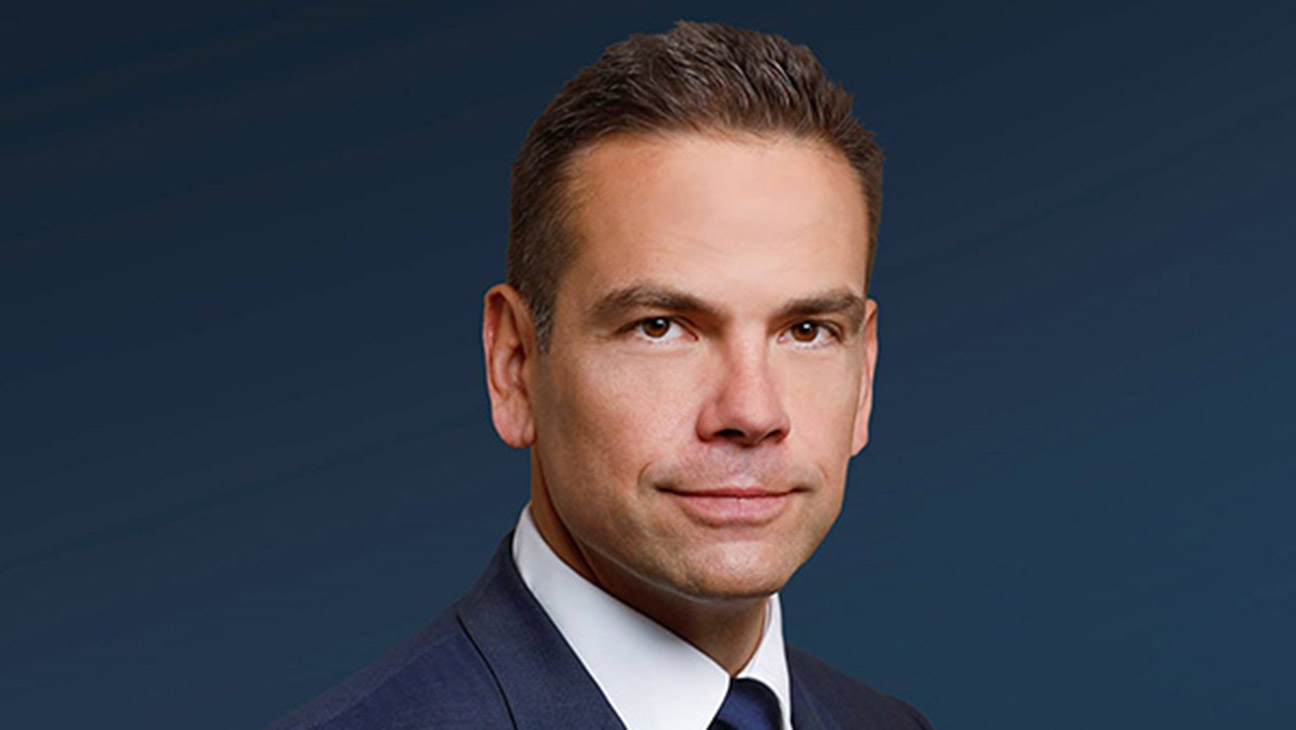
Roku founder and chief executive Anthony Wood, who holds a majority of voting power through his personal stake, has already signed a voting and support agreement endorsing the transaction. He will join Fox’s board upon closing. Wood described the deal as an opportunity to “scale faster and innovate more aggressively for viewers, partners and advertisers” – language that reads, on one reading, as the polished optimism of a founder cashing out at a premium, and on another as genuine conviction that Roku’s platform ambitions exceed what the company can accomplish independently.
The history between the two companies adds a layer of irony that analysts at LightShed Partners were quick to note. Fox sold its six million shares of Roku in 2020 at $58 per share specifically to fund its acquisition of Tubi. Now, with Roku trading near the $160 acquisition price, Fox is effectively buying back the platform it exited – at nearly three times the price – to give Tubi the distribution advantage it always lacked. Rich Greenfield at LightShed called the reversal striking, and flagged it before any deal was announced.
The strategic logic, stripped of the press-release language, runs roughly as follows. Fox holds some of the most valuable live content in television: the NFL, MLB, NASCAR, Big Ten college football, the FIFA World Cup, Fox News, and Fox Business. Live content is the one category streaming has struggled to commoditize. Roku is the device and software layer through which the majority of American households access that content. Combining them would, in theory, give Fox the ability to prioritize its own content in Roku’s home screen algorithm, steer audiences toward Tubi and The Roku Channel, and harvest the first-party data Roku collects from 100 million households to build a targeted advertising business neither company could construct alone.
That is precisely what regulators will be studying. Antitrust enforcers have spent the past several years scrutinizing vertical integrations in media and technology with particular attention to whether a platform operator with its own content can disadvantage rivals that depend on that same platform. The Eastern Herald reported Monday that state attorneys general in California and New York are already preparing antitrust suits against the Paramount-Warner merger, a sign that scrutiny of consolidation in media remains acute. Fox’s acquisition of the dominant CTV platform will almost certainly receive no lighter a review.
The “open platform” pledge, which Fox and Roku appear to have volunteered rather than offered under pressure, is an unusual concession to make at announcement. It suggests the companies anticipate that the core regulatory concern – Fox using Roku’s home screen to disadvantage Netflix and others – is both obvious and credible. Whether a voluntary commitment survives the transition to a binding consent decree, and what enforcement mechanism would accompany it, remains entirely unclear. The companies have not said. Neither the FTC nor the DOJ has commented.
Fox shareholders, meanwhile, are being asked to vote on a deal that dilutes their ownership from 100 percent of Fox to roughly 73 percent of a combined entity, while taking on $8.3 billion in new debt. The 15 percent share-price drop Monday is a signal, though not a definitive one, that at least some investors believe the price is too high, the regulatory risk is underestimated, or both. What they bought with their Roku stake – an open platform promise and a seat at the table – is something the combined company may or may not be able to monetize. That uncertainty is the one thing neither Lachlan Murdoch nor Anthony Wood addressed on Monday morning.