
WhatsApp iOS Update Leak Reveals Scheduled Messages, View Once Texts, and Advanced Ephemeral Controls
WhatsApp is preparing one of its most significant iOS updates in recent years, introducing a new set of privacy and automation features that could reshape how users communicate globally. The upcoming upgrades include scheduled messages, view once text messages, and a redesigned disappearing messages system that activates only after a message is read.
The features are currently under testing in iOS beta builds and TestFlight versions, suggesting an active development cycle within Meta’s messaging ecosystem. The changes also position WhatsApp closer to competitors such as Telegram and Apple Messages, both of which already offer scheduling and advanced message control options.
WhatsApp scheduled messages coming to iPhone
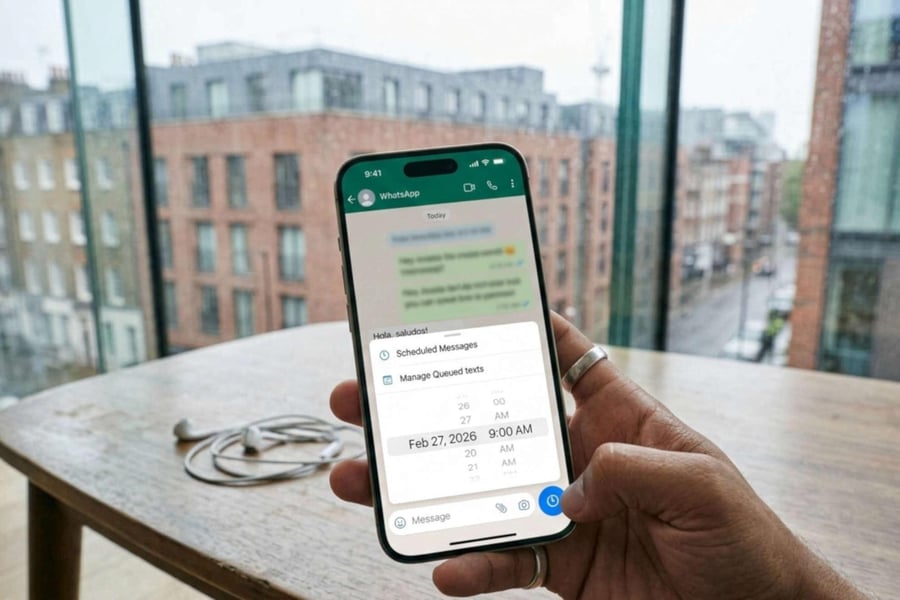
One of the most requested features is finally approaching release, scheduled messaging for WhatsApp on iOS. This feature allows users to compose messages in advance and choose a specific date and time for automatic delivery.
Reports from beta testing indicate that scheduled messages are integrated into chat information and group settings, allowing users to manage queued messages for reminders, work coordination, and planned communication.
According to early feature analysis, WhatsApp’s scheduling system has been in development for months and has been repeatedly spotted in TestFlight builds. More details on its beta rollout have been reported by MacRumors at
MacRumors WhatsApp scheduled messages report.
This development aligns WhatsApp with competitors such as Apple Messages and Telegram, both of which already support message scheduling features.
View once text messages expand WhatsApp privacy
WhatsApp is also expanding its popular view once feature beyond media files to include text messages. This new capability allows messages to disappear after being read, adding another layer of privacy to sensitive conversations.
The feature introduces an after reading timer system, where users can set messages to disappear within minutes or hours after being opened. If a message is not read, it will still expire after a fallback period of around 24 hours.
Technical details of this feature have been explored in multiple beta breakdowns, including reporting from TechTimes at TechTimes WhatsApp view once feature
and Dataconomy analysis at Dataconomy WhatsApp privacy breakdown.
This expansion strengthens WhatsApp’s privacy framework and gives users more control over message visibility and retention.
Read triggered disappearing messages add smarter control
WhatsApp is also improving its disappearing messages system by introducing a smarter trigger mechanism. Instead of starting a countdown immediately after sending, the timer now begins only after the message is read.
Previously, disappearing messages followed fixed durations such as 24 hours or 7 days. The new model allows users to control message lifespan more precisely based on user interaction rather than time alone.
This updated approach has been highlighted in coverage from MacRumors at
MacRumors disappearing messages update.
The change improves usability and ensures messages are not deleted before being viewed by the recipient.
WhatsApp strengthens competition with rival messaging platforms
These new features place WhatsApp in closer competition with Telegram and Apple Messages, both of which have introduced advanced scheduling and self destruct tools.
Industry coverage from Lifewire highlights how WhatsApp is catching up in the messaging innovation race at
Lifewire WhatsApp feature comparison.
At the same time, broader messaging evolution includes encrypted cross platform communication improvements such as RCS support between iOS and Android devices, shaping the next phase of messaging interoperability.
Related coverage on messaging ecosystem changes can be seen here:
Encrypted RCS messaging evolution
Beta testing signals gradual global rollout
Although WhatsApp has not confirmed a release date, repeated appearances of these features in beta versions suggest that a phased rollout is approaching.
Reports from TechRadar indicate that WhatsApp is actively testing these features across both Android and iOS platforms at TechRadar WhatsApp beta update report.
Historically, WhatsApp rolls out features gradually, often using server side activation, meaning users may receive updates without needing to install a new app version.
Privacy remains central to WhatsApp’s evolution
The direction of these updates reflects WhatsApp’s continued focus on privacy, automation, and user control.
Scheduled messaging improves communication planning. View once text messages enhance confidentiality. Read triggered deletion gives users precise control over message lifespan.
This evolution is part of a broader trend where messaging apps are becoming full communication ecosystems that support both personal and professional workflows.