
Fire-Boltt, one of India’s most recognizable wearable technology brands, is preparing to enter the smartphone industry, marking a significant shift in strategy for the company that built its reputation on smartwatches, audio products, and connected devices. Multiple reports indicate that the brand is gearing up to launch its first smartphones in India under a new sub-brand called “Boltt”, with the debut lineup expected as early as July.
The move could inject fresh competition into India’s crowded smartphone market, particularly in the sub-₹20,000 segment where brands such as Xiaomi, Realme, Samsung, Motorola, Lava, Poco, and emerging challengers continue to battle for market share. According to industry reports, Fire-Boltt’s first smartphones will focus on affordability and value, a strategy that mirrors the company’s rapid rise in the wearable devices category.
From Wearables Leader to Smartphone Challenger
Fire-Boltt has become a household name among Indian consumers through aggressive pricing, celebrity-backed marketing campaigns, and a broad portfolio of smartwatches and wireless audio products. The company currently operates one of the largest wearable technology brands in the country and has steadily expanded its offline and online retail presence over the past several years.
The company has previously experimented with Android-powered wrist devices capable of running apps and supporting SIM connectivity. That experience may provide valuable insights as Fire-Boltt enters the highly competitive smartphone industry.
What We Know About the Upcoming Boltt Phones
According to reports, Fire-Boltt plans to launch two or three smartphone models initially, all carrying the new “Boltt” branding rather than the traditional Fire-Boltt name. The separation is reportedly intended to give the smartphone business its own identity while allowing the parent brand to continue focusing on wearables and audio products.
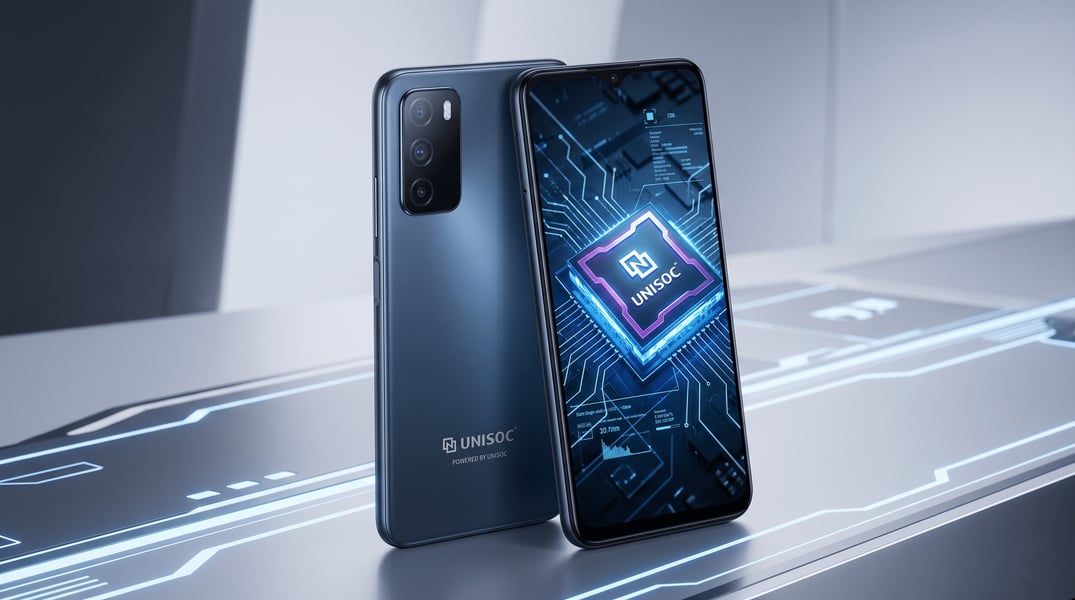
The first devices are expected to be priced below ₹20,000, targeting one of the fastest-growing categories in the Indian smartphone market. Reports also suggest the phones will utilize Unisoc chipsets, a choice that aligns with the company’s emphasis on balancing affordability and everyday performance.
While detailed specifications remain undisclosed, industry watchers expect the devices to include features that have become standard in the segment, including high-refresh-rate displays, large batteries, multi-camera systems, and 5G connectivity where possible. Success in this price range will likely depend on delivering competitive hardware without compromising software stability and after-sales support.
Entering a Fiercely Competitive Market
Breaking into India’s smartphone market is no easy task. Established manufacturers already operate extensive distribution networks, offer years of software support, and invest heavily in marketing and customer service. Consumers today also expect regular software updates, strong camera performance, dependable battery life, and reliable service centers.
However, Fire-Boltt enters the market with several advantages. The company already has brand recognition among millions of Indian consumers, a wide retail footprint, and extensive experience selling technology products in the value-conscious segment. These factors could help reduce some of the barriers that typically confront new smartphone brands.
Industry analysts also point to the company’s aggressive pricing history. Fire-Boltt disrupted the smartwatch market by introducing feature-rich devices at highly competitive prices, helping it gain visibility against more established competitors. If the same strategy is applied to smartphones, incumbent brands could face increased pressure in the budget smartphone segment.
Why the Timing Matters
The reported smartphone launch comes as the broader wearable market faces increasing competition and slowing growth compared with its explosive expansion in previous years. Diversifying into smartphones could open a significantly larger revenue opportunity while allowing Fire-Boltt to leverage its existing customer base and distribution network.
At the same time, Indian consumers continue to seek affordable smartphones that offer premium features without flagship-level pricing. This creates an opening for brands capable of delivering strong value propositions, particularly in the under-₹20,000 category where purchasing decisions are often driven by specifications and price-performance ratios.
A Crucial Test for Fire-Boltt
While the company’s wearable success demonstrates its ability to build a consumer technology brand, the smartphone market presents a different challenge. Beyond hardware specifications, buyers increasingly evaluate long-term software support, ecosystem integration, repair services, and brand reliability.
For Fire-Boltt, the upcoming launch could become one of the most important milestones in the company’s history. If the first Boltt smartphones resonate with consumers, the brand could establish itself as a serious contender in India’s smartphone market and create a broader ecosystem that spans phones, smartwatches, earbuds, and connected devices.
With reports pointing to a launch as early as next month, the Indian smartphone industry may soon witness one of its most intriguing new entrants in years. Whether Fire-Boltt can replicate its wearable success in smartphones remains to be seen, but its arrival is already generating attention across the technology sector.