

A newly disclosed vulnerability dubbed SquidBleed has sent shockwaves through the cybersecurity community after researchers revealed that the flaw has existed inside the widely used Squid Proxy software since 1997. Tracked as CVE-2026-47729, the bug can allow attackers to access fragments of sensitive data belonging to other users sharing the same proxy infrastructure, including authentication credentials, API keys, session cookies, and private HTTP requests.
Security researchers compare the issue to the infamous Heartbleed vulnerability because it enables unintended memory disclosure from a running service. Unlike traditional exploits that focus on code execution, SquidBleed exposes information that should never leave memory, creating a potentially serious confidentiality risk for organizations relying on shared proxy deployments.
What Is SquidBleed?
Squid is one of the world’s most widely deployed open-source proxy and caching solutions. Enterprises, educational institutions, internet service providers, and public networks frequently use it to optimize web traffic, enforce security policies, and reduce bandwidth consumption.
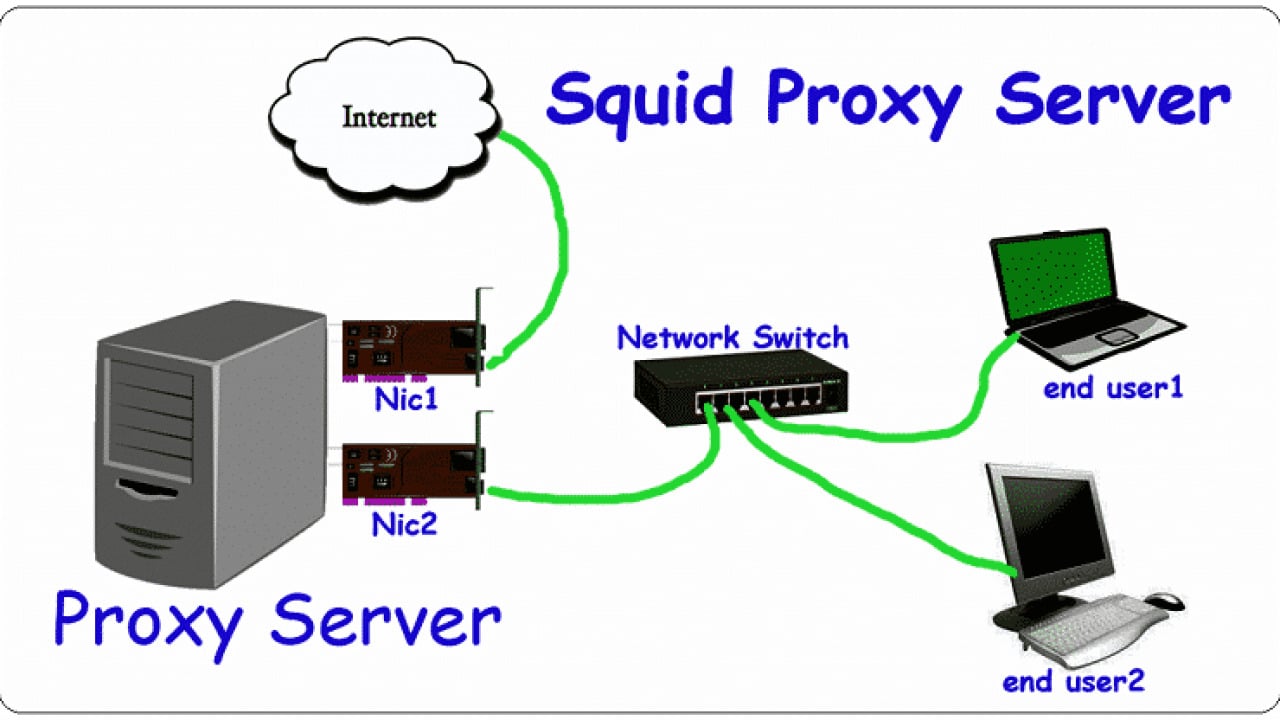
According to the disclosure, the flaw has been present since the project’s early development stages in 1997, making it one of the oldest publicly disclosed security vulnerabilities affecting a widely deployed internet infrastructure component.
How the Vulnerability Works
The attack requires an adversary to control an FTP server that can be reached through a vulnerable Squid Proxy instance. By crafting malicious FTP directory listings, the attacker can trigger Squid’s vulnerable parsing routine and cause the software to return memory contents beyond the expected buffer limits.
The disclosed memory fragments may include:
- HTTP authorization headers
- Session tokens
- Authentication cookies
- API credentials
- Internal request information
- Potentially sensitive data
Researchers note that the vulnerability does not automatically grant full system compromise. However, leaked credentials and tokens could be leveraged in follow-on attacks, account hijacking attempts, or unauthorized access to internal applications.
Shared Environments Face the Highest Risk
The impact of SquidBleed is most severe in environments where multiple users rely on the same shared proxy infrastructure.
Corporate networks, educational institutions, public Wi-Fi systems, hosting providers, and shared internet gateways could all be exposed if they operate vulnerable Squid instances. In these scenarios, one user’s sensitive traffic may become accessible to another through a successful exploit.
Cybersecurity experts warn that organizations often underestimate the value of proxy servers as attack targets. While attention frequently focuses on endpoints and cloud services, proxies sit directly in the path of large volumes of sensitive traffic and can therefore become attractive sources of valuable data.
AI-Assisted Research Highlights New Security Reality
One of the most notable aspects of the SquidBleed disclosure is the role of artificial intelligence in vulnerability research.
Researchers behind the discovery stated that AI-assisted code analysis helped identify the long-hidden flaw within Squid’s extensive codebase. The finding demonstrates how modern AI tools are increasingly capable of uncovering security weaknesses that have remained undetected for decades despite extensive public scrutiny.
The discovery may fuel broader industry discussions about how AI can be used not only to defend systems but also to accelerate vulnerability research across legacy software projects that form critical components of internet infrastructure.
Patch Available for Administrators
The Squid project has addressed the vulnerability through security updates, with fixes included in newer releases. Reports indicate that Squid 7.6 contains patches for CVE-2026-47729 and related security issues. Administrators are strongly encouraged to update affected installations as soon as possible.
Organizations should also review whether FTP functionality is required in their environments. Since the vulnerability stems from FTP directory listing parsing, limiting unnecessary protocol support may reduce exposure while patching efforts are underway.
Security teams are advised to:
- Upgrade to patched Squid releases immediately
- Audit proxy configurations for FTP usage
- Rotate exposed credentials where compromise is suspected
- Review proxy logs for unusual FTP activity
- Monitor authentication systems for suspicious access attempts
These measures can help reduce the risk of credential theft and unauthorized access stemming from the vulnerability.
A Reminder About Legacy Software Risks
SquidBleed serves as a stark reminder that vulnerabilities can remain hidden in production software for decades. Despite years of deployment across enterprise and public networks, the flaw persisted unnoticed until modern analysis techniques brought it to light.
The incident also reinforces a broader cybersecurity lesson: mature and widely trusted software is not immune to security weaknesses. As organizations continue to depend on open-source infrastructure, regular patching, code auditing, and proactive security reviews remain essential to defending sensitive data against emerging threats.