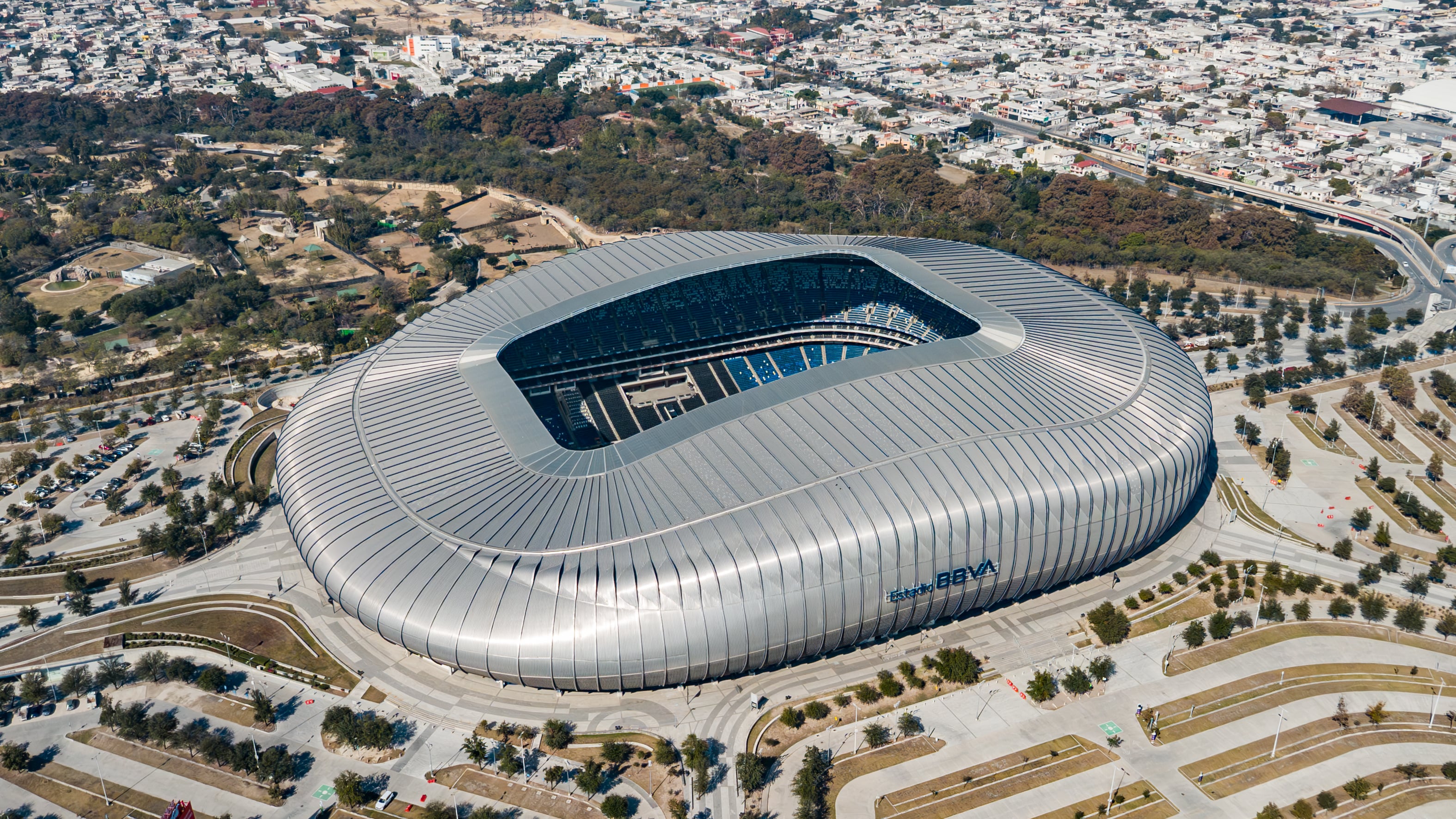

MONTERREY — Twenty-eight years from their first World Cup to their first knockout-stage qualification, and it came in sixty-three minutes of a final group match, from a cross that Tshepang Moremi drove low across the penalty area and a header that Thapelo Maseko barely needed to guide home. In the moments after the final whistle, Hugo Broos stood at the edge of his technical area with both arms spread wide, his face tilted up toward the roof of Estadio BBVA as if checking whether the building could hold the weight of this.
South Africa beat South Korea 1-0 on Thursday in Monterrey, and Bafana Bafana have reached the World Cup knockout stage for the first time in their history, advancing to the Round of 32.
This was not a result built on luck. South Africa needed only a win from their final group stage match at the 2026 FIFA World Cup, and they brought a defensive shape and a plan to it, held both through sixty-two minutes of goalless pressure against a technically superior opponent, and then produced the moment of quality that all that discipline had been making room for. They are now one of thirty-two teams from a field of forty-eight to have reached the knockout stage. For Bafana Bafana, that sentence is five years of Broos’s work in the making, and twenty-eight years of the sport’s unfinished business before that.
South Africa debuted at the 1998 World Cup and went out in the group stage. They qualified in 2002 and were eliminated in the groups again. When they hosted the 2010 tournament, the weight of expectation became immense and then crushing: Bafana Bafana became the first host nation to fail to advance, a distinction that sat in South African football like a splinter through every qualifying cycle since. In 2026, with the tournament expanded to forty-eight teams, a different manager, and a squad built on defensive structure and collective discipline, the story finally changed.
South Korea’s decision to start without Son Heung-min became the match’s defining subplot before a ball was kicked. Son had started every one of South Korea’s previous twelve World Cup matches across four tournaments, according to ESPN. Sitting him against South Africa suggested either supreme confidence that the backups could handle Bafana Bafana’s counterattacking threat, or a calculation that his legs were better preserved for a later round. The calculation looked worse with every goalless minute that ticked past the sixty-third.
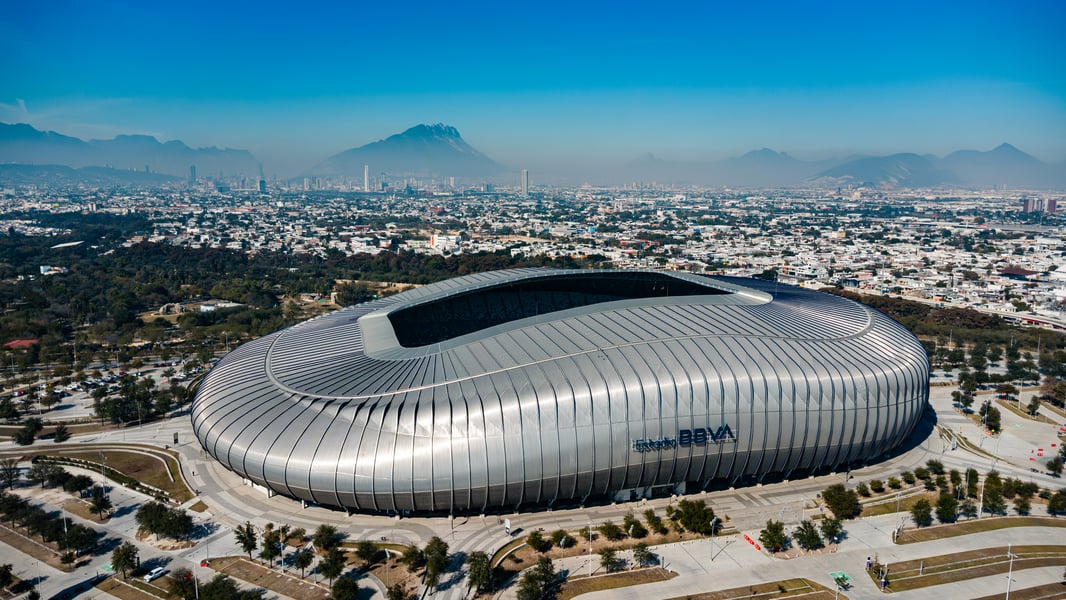
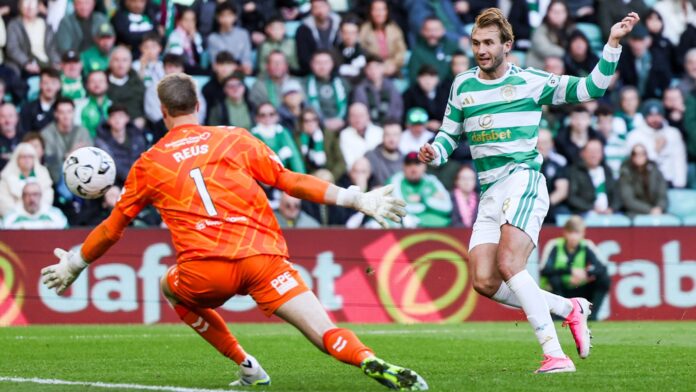
When Tshepang Moremi picked up the ball on the right in that minute, there was nothing yet to suggest the game was about to turn. He had been persistent down that channel all evening, but South Korea had been dealing with him. Then he accelerated past his marker to the byline and cut the ball back, low and hard, across the face of goal. Maseko arrived in stride at the near post, redirected it inside the upright before the goalkeeper could close the angle, and the small pocket of green and gold high in the stadium became the loudest section of northern Mexico.
Broos left the bench and came to the edge of the pitch. For about four seconds, a composed man became entirely uncomposed.
Son came on in the 73rd minute and South Korea’s threat sharpened immediately. His free kick in the eighty-first minute struck the crossbar. His curling attempt in added time was read and held by Ronwen Williams, who had made what Sky Sports described as one of the saves of this tournament against Argentina in the group stage and continued in the same composed register through the final twenty minutes.
Williams commands his area with the kind of certainty that unsettles forwards on set pieces. He came for crosses he had to come for, stayed for those he did not, and kept South Africa’s shape intact through the longest stretch of Korean pressure. He will be a name the knockout rounds will need to account for.
“What we’ve done in those five years is amazing,” Broos said after the match. He paused before the next sentence. “We gave an answer to all those big mouths.”
He did not name names. He did not need to.
Broos took the South Africa job in 2021 when the position had cycled through four coaches in two years and the appointment of a 67-year-old Belgian was greeted with scepticism from multiple directions. He spent five years building a defensive structure and insisting, publicly and repeatedly, that this team could compete with anyone on the right day. In Monterrey on Thursday, that day came.
South Africa will meet Canada in the Round of 32 at SoFi Stadium in Los Angeles. Canada advanced from Group F with a direct, physical forward line that scored freely in the group stage. Whether Bafana Bafana’s defensive shape can absorb that style of pressure, and whether Maseko and Moremi can find the same combination again, is the question the Round of 32 will answer. What the final group stage confirmed is harder to undo: South Africa belong at this stage.
What cannot be confirmed yet is whether Maseko had ever scored a match-winning goal in a fixture of this consequence at any level before Thursday night, and what South Korea’s Football Association intends by the post-tournament review it confirmed in the hours after the final whistle. Their manager defended the Son decision in his post-match remarks. Whether that defence survives the review depends on factors the scoreline has already framed.
Elsewhere at the tournament, Mexico completed a historic Group A sweep as goalkeeper Guillermo Ochoa marked a record sixth World Cup appearance, while Brazil thrashed Scotland 3-0 in a dominant Group C performance. The knockout rounds are now fully formed. South Africa, for the first time, are in them.