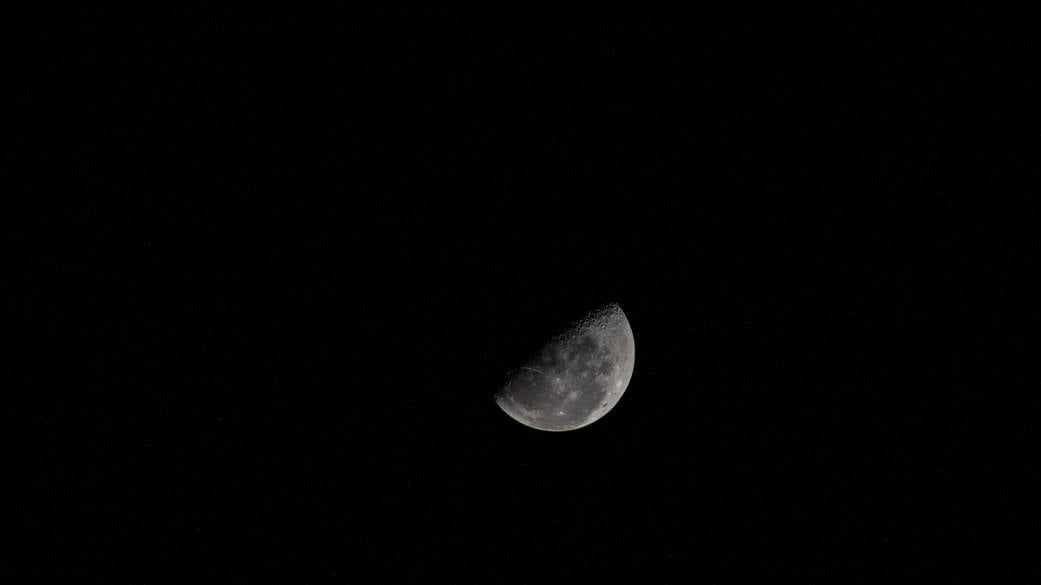

Five days before one of 2026’s most anticipated celestial events, the moon is a thin crescent in the pre-dawn sky. On the morning of August 7, Earth’s companion is 34 percent illuminated and thinning toward the new moon that will produce a total solar eclipse on August 12. The moon is also closing in on Earth more rapidly than usual this week – a detail that will matter enormously when the eclipse arrives.
The Waning Crescent on August 7 places the moon 23.88 days into its 29.5-day cycle, with illumination at 34 percent and falling by roughly seven percentage points per day. At a distance of approximately 364,000 kilometers and approaching perigee on August 10, tonight’s crescent is not the smallest disk August will show, but it is narrowing each morning visibly. The moon is currently passing through Gemini.
When and where to look
The Waning Crescent is a morning moon. On August 7, it is not visible in the evening sky – the moon sets in the afternoon and does not return until the hours before dawn. Observers should look toward the east approximately 90 to 120 minutes before local sunrise, when the crescent will sit low but clear of most horizon haze. The illuminated portion is the left edge of the disk; the right side is in shadow.
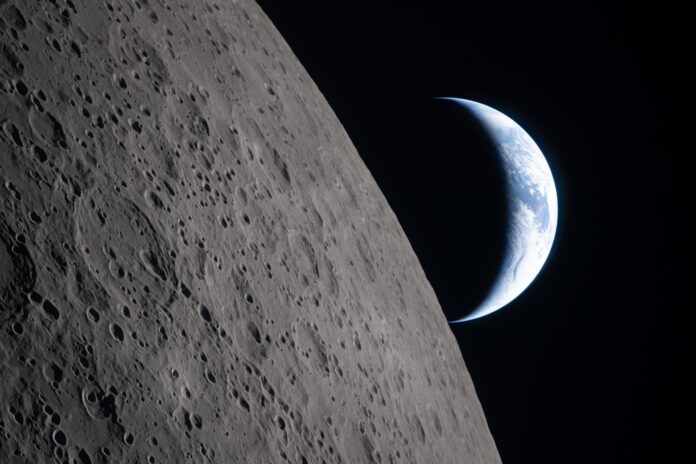
This week’s thin crescent is one of the better opportunities of the month to observe earthshine – the pale, ghostly illumination of the moon’s dark limb caused by sunlight reflected off Earth’s surface and back onto the moon. Earthshine is most visible when the crescent is narrow enough that the dark portion of the disk is not overwhelmed by the bright sliver beside it. Binoculars make it striking; a small telescope reveals it even in twilight.
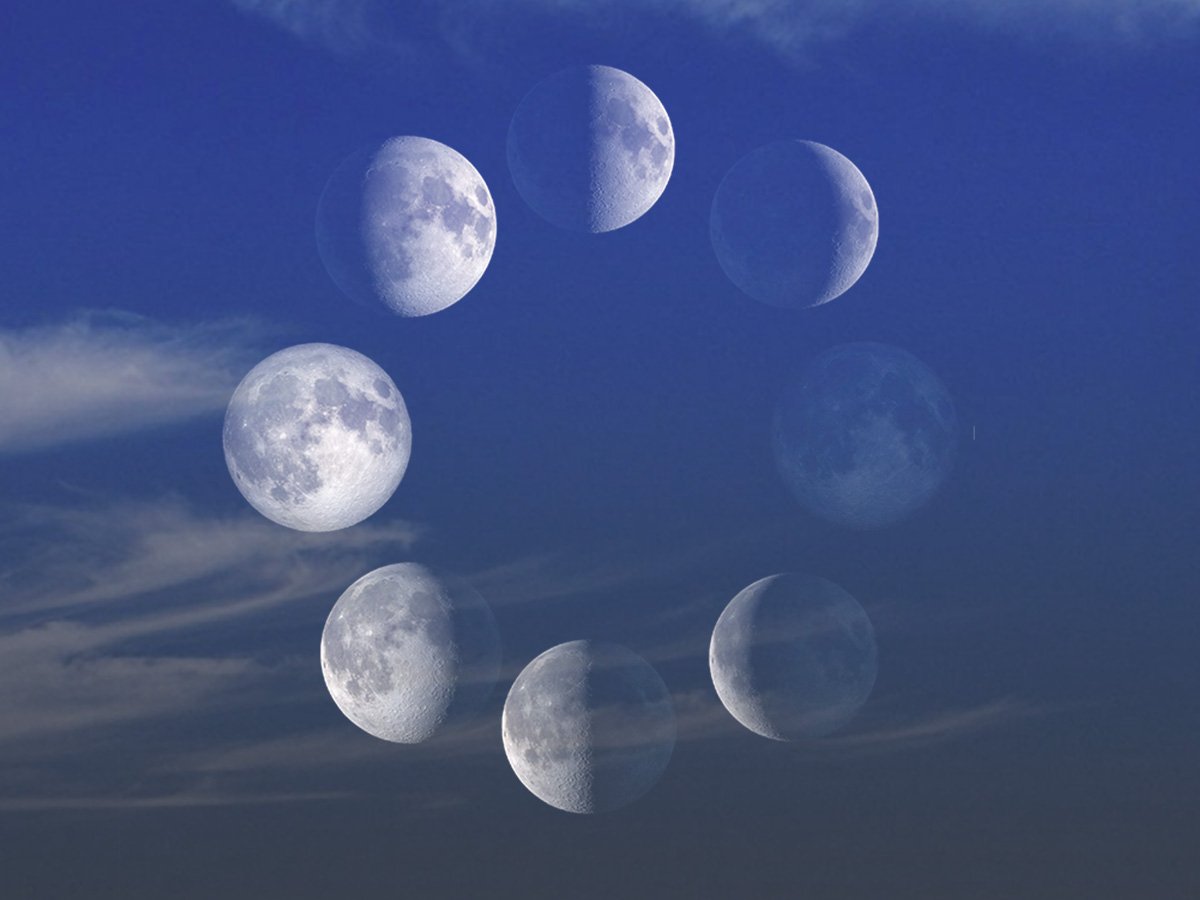
August 2026 moon phase calendar
| Phase | Date | Notes |
|---|---|---|
| Waning Crescent | August 7 | Today – 34% illumination, moon age 23.88 days, in Gemini |
| Perigee | August 10 | Moon at closest approach to Earth (~362,000 km) |
| New Moon | August 12 | Total solar eclipse – northern Russia, Alaska, North Pacific |
| First Quarter | August 20 | Half-lit, right side illuminated |
| Full Moon | August 28 | Partial lunar eclipse – Asia, Australia, western Pacific |
The perigee-eclipse connection
The most consequential thing about today’s crescent is not what it is but what follows it. The moon reaches perigee – its point of closest orbital approach to Earth – on August 10, just two days before new moon. That proximity matters in a specific and measurable way: at perigee, the moon’s angular diameter as seen from Earth is approximately 14 percent larger than at apogee, the farthest orbital point. When new moon falls within two to three days of perigee, the moon’s disk is large enough to cover the sun’s photosphere completely, producing a total solar eclipse with longer-than-average totality duration.
The August 12 eclipse path tracks through northern Russia, Alaska, and the North Pacific. Observers in the totality corridor will see the solar corona – the sun’s outer atmosphere, ordinarily invisible against the glare – for several seconds of darkness during midday. The perigee alignment extends that window slightly beyond what an average-distance new moon would provide. Outside the totality path, a partial eclipse will be visible across a far broader zone, requiring only solar eclipse glasses to observe safely.
This perigee-eclipse alignment is a product of orbital mechanics, not calendar coincidence. The moon’s elliptical orbit naturally places perigee near new moon or full moon at regular intervals. When perigee falls near new moon – as it does this month – the result is sometimes called a supermoon eclipse in popular coverage, though that term is more commonly applied to perigee full moons, which are visually more striking because the full disk is illuminated. The practical consequence here is unambiguous: the August 12 total solar eclipse will have a slightly more generous totality window than would a new moon at average distance.
What the Waning Crescent phase means
The Waning Crescent begins immediately after Last Quarter – which fell in Taurus on August 6 – and continues until new moon. “Waning” means decreasing in illumination. “Crescent” describes the shape: a thin arc of lit disk narrowing each day as the moon approaches alignment with the sun. When new moon arrives on August 12, the moon’s sunlit hemisphere faces entirely away from Earth, producing both the darkest sky of the month and, this week, a total solar eclipse.
The Waning Crescent is one of the phases most commonly confused with the Waxing Crescent that follows the new moon. The distinction: in the Northern Hemisphere, a Waning Crescent is visible in the morning sky before sunrise, with the illuminated edge on the left side of the disk. A Waxing Crescent appears in the evening sky after sunset, with the illuminated edge on the right. The curvature looks identical; the timing of visibility separates them entirely.
The partial lunar eclipse on August 28
August does not exhaust its astronomical calendar with the solar eclipse. On August 28, the full moon passes through Earth’s outer shadow in a partial lunar eclipse visible across Asia, Australia, and the western Pacific. Unlike a total lunar eclipse – where the moon enters Earth’s central shadow and turns a deep brick red – a partial eclipse produces a subtle but visible darkening along one edge of the lunar disk. No equipment is required; it is safe to observe with the naked eye and takes roughly two hours from first contact to last.
August 2026 offers a total solar eclipse and a partial lunar eclipse within the same 29-day cycle. Today’s pre-dawn crescent is the visual countdown to both – arriving the same morning that Venus moved into Libra, completing a week of significant celestial transitions.
Moon Phase Today FAQ
What moon phase is it today, August 7, 2026? Today is Waning Crescent. The moon is 34 percent illuminated, 23.88 days old, and positioned in Gemini. It is visible in the pre-dawn eastern sky before sunrise and is not visible in the evening.
What is the moon tonight, August 7, 2026? The moon is not visible in the evening sky tonight. As a Waning Crescent, it sets in the afternoon and rises again only in the early morning hours before dawn. On the night of August 7 into August 8, look east approximately 90 to 120 minutes before local sunrise to see the thin crescent low on the horizon, with its illuminated edge facing left in the Northern Hemisphere.
What is the current moon phase right now? The current moon phase on August 7, 2026 is Waning Crescent at 34 percent illumination. The moon is 23.88 days into its 29.5-day cycle and shrinking toward new moon on August 12 – the same new moon that produces a total solar eclipse visible from northern Russia and Alaska.
What is the current moon phase percentage? The moon is at 34 percent illumination on August 7, 2026. It is waning – decreasing – and will reach zero illumination at new moon on August 12.
What moon phase will it be tomorrow, August 8, 2026? Tomorrow the moon will still be a Waning Crescent, with illumination dropping to approximately 27 percent. It continues thinning through August 9, 10, and 11 before reaching new moon on August 12. The moon reaches perigee on August 10, its closest point to Earth this orbit, two days before the eclipse.
When is the next new moon? The next new moon is August 12, 2026, and it coincides with a total solar eclipse. The moon is currently approaching perigee on August 10, which makes this new moon’s eclipse totality slightly longer than average.
When is the next full moon? The next full moon is August 28, 2026, when the moon also passes through Earth’s outer shadow in a partial lunar eclipse visible across Asia, Australia, and the western Pacific.
Is tonight a good night for stargazing? Yes. The Waning Crescent rises only before dawn and leaves the entire night sky dark. Without moonlight, faint deep-sky objects including galaxies and nebulae are more accessible. The Perseid meteor shower peak has passed, but residual activity continues through mid-August, and a dark sky improves the count.
What does a Waning Crescent look like? A thin arc of light on one edge of the moon’s disk, with the rest of the disk darkened. In the Northern Hemisphere, the illuminated edge faces left in the morning sky. The visible crescent narrows each morning until new moon, when it disappears entirely.
How old is the moon today? The moon is 23.88 days old on August 7, 2026, counting from the most recent new moon. It is 5 days from the next new moon and 2 days from perigee.
What time does the moon rise tonight, August 7, 2026? The Waning Crescent does not rise in the evening on August 7 – it sets in the afternoon and is absent from the night sky entirely. It rises again in the early morning hours before dawn, typically between 1:30 and 3:30 a.m. local time depending on latitude. Exact moonrise times vary by location; check a local almanac or astronomy app for your city.
What does the moon look like tonight, August 7, 2026? The Waning Crescent appears as a thin curved arc of light on the left edge of the moon’s disk as seen from the Northern Hemisphere. At 34 percent illumination, it covers roughly a third of the lunar face – thinner than a half-moon but wider than the narrow sliver of the first night after new moon. The dark portion of the disk is faintly illuminated by earthshine. In the Southern Hemisphere, the illuminated edge faces right.
Is there a moon out tonight, August 7, 2026? Not in the evening sky. The Waning Crescent has set by late afternoon and will not be visible after dark. Observers going outside on the night of August 7 will find a moon-free sky – ideal for stargazing and viewing faint deep-sky objects without light interference. The moon returns before dawn on August 8.
What zodiac sign is the moon in today? The moon is in Gemini on August 7, 2026. It entered Gemini after the Last Quarter phase on August 6 and continues through the waning crescent days leading to the new moon and total solar eclipse on August 12.