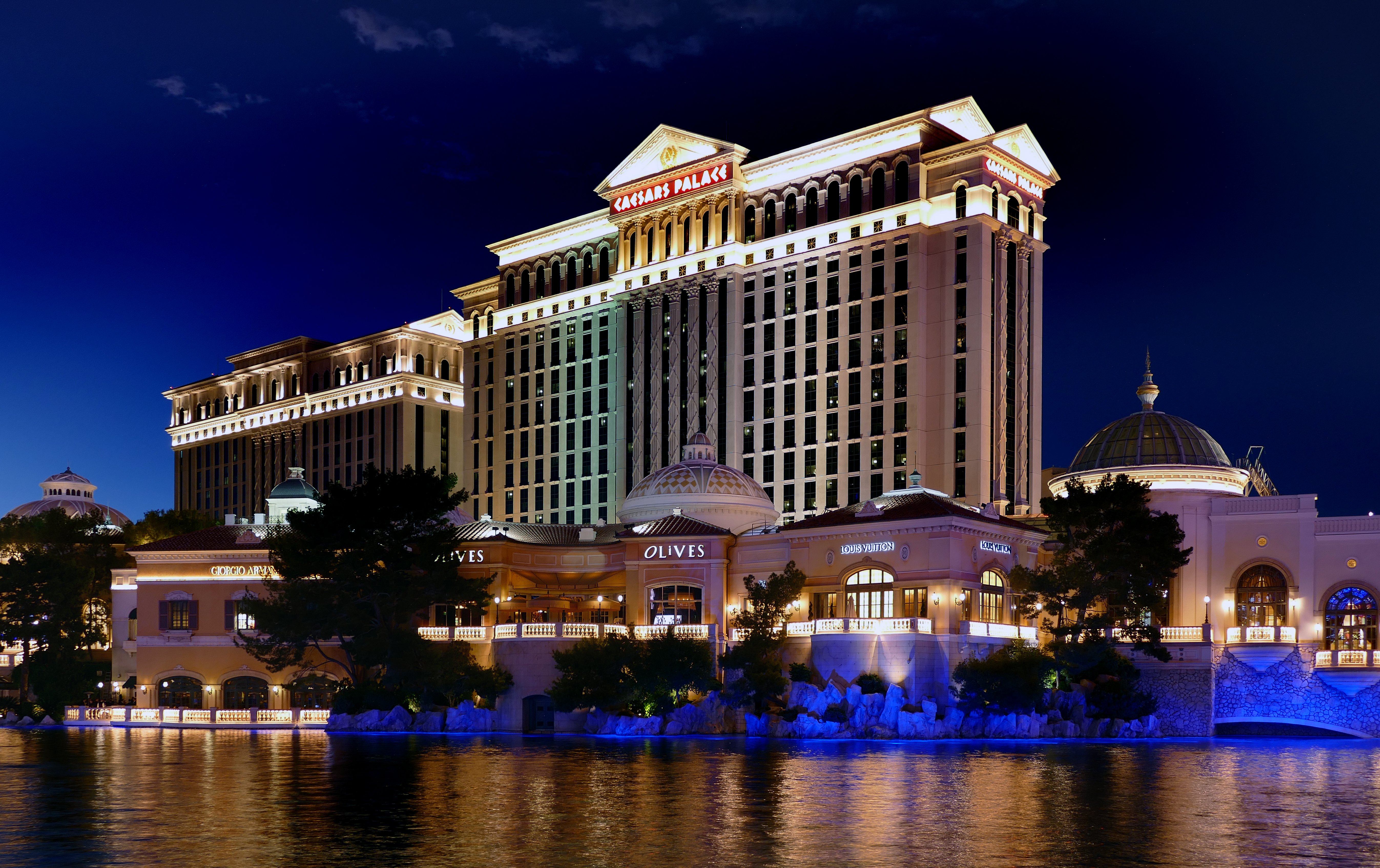

PORTLAND – When Maine’s legislature handed its four federally recognized tribes the exclusive right to operate online casinos, it created something unusual in the American gambling industry: a state iGaming market with no commercial operator competition at launch. Caesars Entertainment Inc. (Nasdaq: CZR) moved on Tuesday to secure most of it.
The company announced that it has expanded its existing partnership with three of Maine’s four Wabanaki Nations, including the Houlton Band of Maliseet Indians, the Mi’kmaq Nation, and the Penobscot Nation, to include online casino gaming. Under the deal, Caesars will bring three branded platforms to the state: Caesars Palace Online Casino, Caesars Sportsbook & Casino, and Horseshoe Online Casino, running through the company’s Universal Digital Wallet and linked to its existing sportsbook operations in Maine. Caesars detailed the expanded agreement in a statement issued Tuesday through its investor relations office.
That is three of the four available licenses in the state held by a single operator, a concentration without precedent in any of the seven other US states that have legalized online casino play.
The arrangement gives Caesars a structural advantage in a market that analysts say could generate tens of millions in annual revenue once it launches, pending approval from the Maine Gambling Control Unit. In a statement, Eric Hession, President of Caesars Digital, described the expansion as a natural extension of the companies’ sports betting partnership since 2023. “Together, we’ve built a strong and responsible sports wagering experience, and this next phase reinforces our commitment to our tribal partners and to delivering a differentiated, localized digital gaming experience for Mainers,” Hession said.
For the Wabanaki Nations, the deal is less about digital branding than about sustainable revenue on tribal land. Chief Clarissa Sabattis of the Houlton Band described the arrangement as essential infrastructure for tribal governance, the kind of predictable revenue stream that would let the band “make critical investments in community infrastructure.” Chief Kirk Francis of the Penobscot Nation offered a more pointed rationale: Caesars had demonstrated in the sports betting phase that it “respects our sovereignty,” he said, in ways that commercial operators in Maine historically have not.
The law making this possible, LD 1164, was signed by Governor Janet Mills in January, making Maine the eighth US state to legalize online casino gaming. The governor’s office described the legislation as creating new economic opportunities for the Wabanaki Nations through a framework grounded in federal Indian gaming law, which holds that tribal-exclusive privileges rest on sovereign political status rather than race. Each of Maine’s four federally recognized tribes may contract with one commercial operator to deliver the actual platform, with revenue taxed at 18 percent.
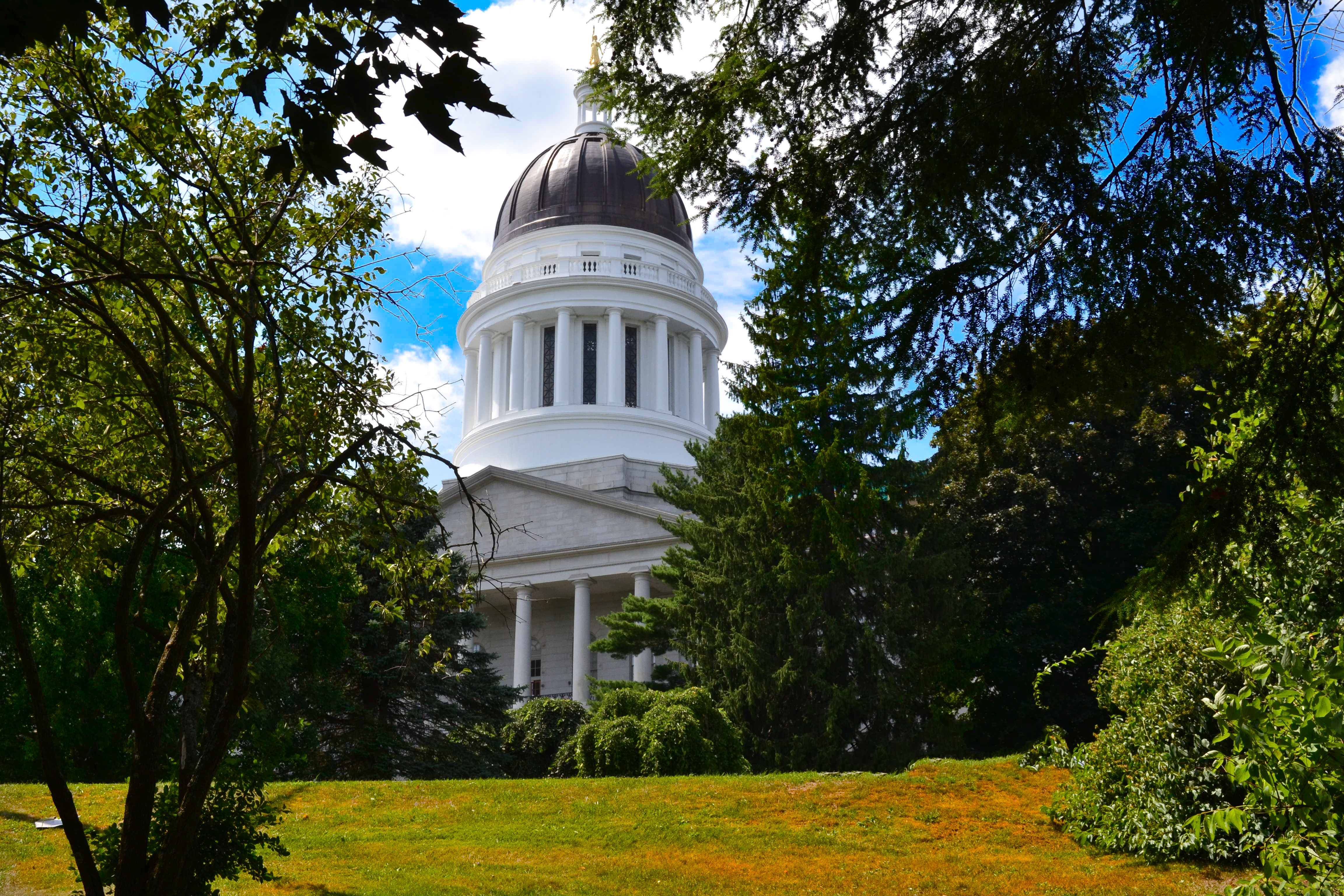
That structure is now under legal challenge. Oxford Casino Hotel and parent company BB Development LLC, together with Churchill Downs Incorporated, filed suit in January, describing LD 1164 as a “race-based monopoly” that unconstitutionally excludes licensed commercial casino operators from the digital market. All four Wabanaki Nations filed a joint motion to intervene, granted by a federal judge in April, arguing that equal protection challenges to tribal privileges, if accepted, would threaten not just Maine’s iGaming law but a wide range of federal legislation recognizing tribal sovereignty.
That case has not been scheduled for trial. Until it resolves, the Caesars announcement describes a partnership ready to deploy but waiting on legal and regulatory clearance. A launch window in late 2026 is possible; industry observers note that rulemaking by the Maine Gambling Control Unit may push the timeline into 2027.
As the Eastern Herald has reported, Virginia’s failed iGaming bid illustrated how quickly commercial operators can stall digital gambling expansion when they view the terms as unfavorable. Oxford Casino is contesting Maine’s terms in federal court, a harder and slower fight, but one that would extinguish the entire market structure if successful.
Caesars will also face a question about market completeness. The fourth Wabanaki nation, the Passamaquoddy Tribe, has not yet announced an operator partner for its skin. Maine’s law limits the Passamaquoddy to one commercial partner, and whoever secures that slot will be the only operator in the state without a Caesars connection. DraftKings, which has been active in the Maine sports betting market since 2023, is among the companies that could pursue the fourth license.
How competitive dynamics play out in Maine will depend partly on what responsible gambling obligations come with the market. Ohio’s gambling reform effort has become a national test case for whether legal betting markets can be rolled back once addiction consequences accumulate. Maine’s regulators, working from a fresh law with explicit tribal development goals, may set tighter parameters at launch than older markets have found politically viable to impose later.
The Lucchese organized crime case resolved in New Jersey this week, where eight defendants pleaded guilty to racketeering for running offshore sportsbooks and illegal poker operations alongside licensed platforms, offered a reminder that even well-structured legal markets exist within a broader gambling enforcement environment.
What Tuesday’s announcement confirms is that Caesars has moved quickly and comprehensively. No other operator has locked in positions with three nations in a single US iGaming state at launch. Whether the market opens this year, or next, or whether a federal court intervenes before it opens at all, the company is positioned to capture the largest share of whatever emerges. What that share looks like, and whether the Passamaquoddy Tribe’s choice of partner changes the competitive picture, remains unresolved.