
PARIS — The woman at the center of Europe’s newest Ebola case is a doctor. She spent weeks working in Ituri Province in the Democratic Republic of the Congo, alongside the local health workers fighting to contain what was already the fastest-growing Ebola outbreak in African history. She returned on a commercial flight. On June 24, Al Jazeera reported that France’s Ministry of Health confirmed she had tested positive for Ebola, making her the first confirmed case in the European Union from a crisis that has now killed 291 people and crossed one thousand confirmed infections.
Her case is not an anomaly. It is what outbreak scientists call a predictable consequence: what happens when a highly lethal virus circulates unchecked in a region where armed groups restrict the movement of response teams, where four health workers have already died and 16 others have been infected, and where the World Health Organization has acknowledged the true case count could considerably exceed the 1,118 confirmed as of June 24.
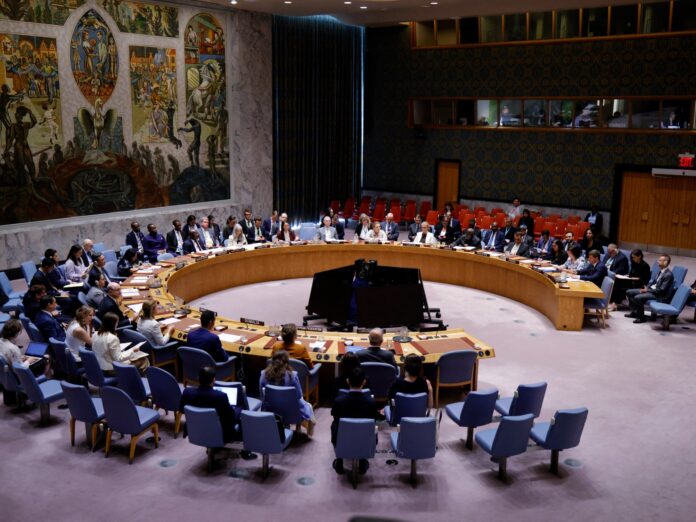
The outbreak began, as the WHO would establish after the fact, with unusual deaths in early May in the Mongbwalu Health Zone of Ituri Province. Laboratory analysis on May 15 confirmed the pathogen as Bundibugyo ebolavirus, a distinct Ebola species for which no approved vaccine or specific treatment exists. The following day, the WHO determined the outbreak constitutes a Public Health Emergency of International Concern, only the fifth such PHEIC declaration in Ebola’s history and the most urgent alarm the global health system knows how to issue.
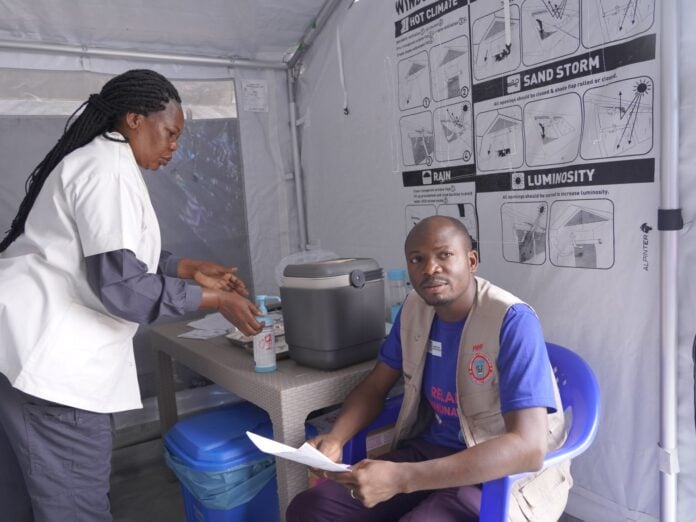
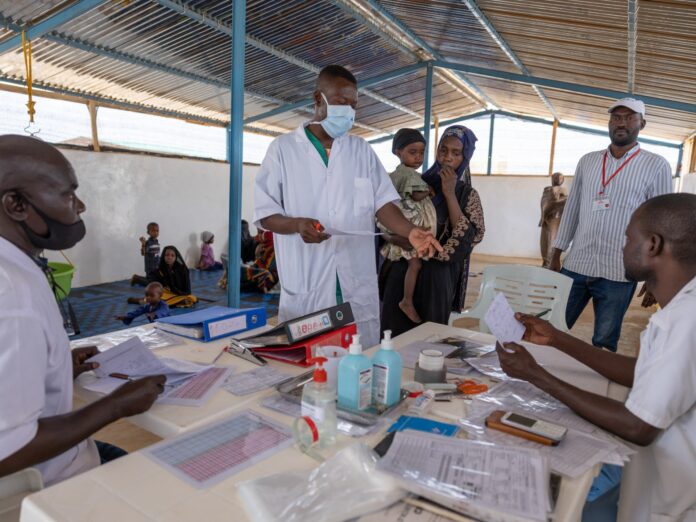
That alarm has not produced a proportionate response. Seven weeks later, the outbreak is classified as the second-largest in Ebola’s recorded history. Ituri’s 22 affected health zones are served by a patchwork of humanitarian organizations working in conditions that make systematic contact tracing all but impossible. Médecins Sans Frontières is building a 65-bed Ebola Treatment Centre in Mongbwalu, the outbreak’s epicentre, while the Alliance for International Medical Action runs a facility in Rwampara and Samaritan’s Purse works out of Bunia, the provincial capital. At the Elikya Ebola Treatment Centre in Bunia, MSF nurses in full protective equipment coordinate patient arrivals in temperatures that can reach 38 degrees Celsius beneath the gear.
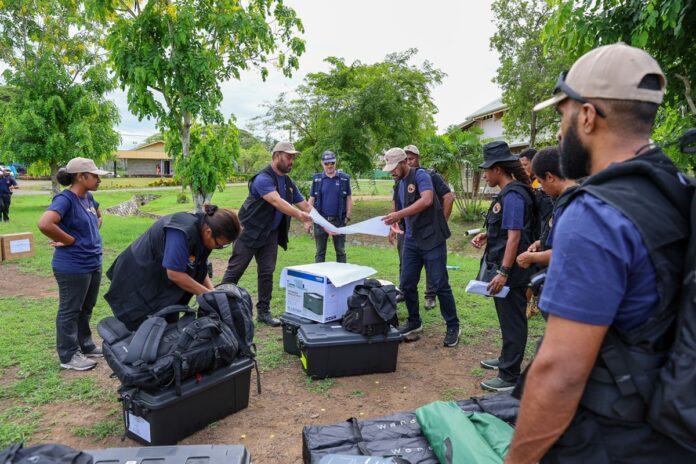
Ituri is not simply underfunded. It is, in the assessment of UN field teams and MSF’s own reports, simultaneously managing an Ebola outbreak and a pre-existing humanitarian emergency. Violence from armed groups, chronic poverty, and the near-collapse of healthcare infrastructure across parts of the province have left 1.9 million people in need of humanitarian assistance. Response teams trying to reach remote health zones depend on roads that armed groups control. The United Nations Children’s Fund and the DRC Ministry of Health have condemned attacks on health workers supporting the Ebola response in language that describes an environment where those fighting the disease are themselves at physical risk.
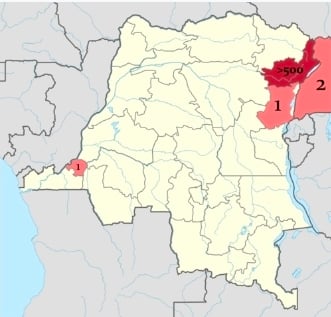
The case data reflects those constraints. Of 1,118 confirmed infections as of June 24, Ituri Province accounts for 1,020, drawn from 22 health zones and representing 88 percent of all confirmed cases. North Kivu, where conflict has intensified in recent months, has reported 95 confirmed cases from 11 health zones. South Kivu has reported three. Surveillance in North and South Kivu is constrained by the same security conditions that have hampered the response in Ituri. The UN has warned the real scale of the outbreak in those provinces is likely to considerably exceed the confirmed numbers.
The cross-border dimension extends beyond the confirmed case counts. Uganda has confirmed cases linked directly to the DRC outbreak. A US physician was medically evacuated to Germany for treatment on May 19 and survived the infection. The French doctor confirmed on June 24 is in stable condition and in isolation, with authorities identifying and contacting anyone she may have encountered during her travel or after her return to France. The maximum incubation period for Ebola is 21 days.
The scientific challenge of the Bundibugyo strain makes this outbreak structurally different from the most recent major DRC crisis. The rVSV-ZEBOV vaccine that proved decisive in ending the 2018 to 2020 North Kivu outbreak, which killed more than 2,200 people across 3,481 confirmed cases, is certified against Zaire ebolavirus, a different species. Promising candidates for Bundibugyo are under investigation, but none has reached mass deployment. MSF has described the absence of a validated vaccine as one of the most critical gaps in the current response, more consequential in certain respects than the funding shortfalls that have drawn international criticism.
This year has already illustrated how quickly infectious pathogens travel when early containment fails. The Andes hantavirus outbreak traced to the MV Hondius cruise ship reached passengers across 32 countries before the CDC declared the response concluded on June 24, the same day France confirmed its Ebola case. Ebola is substantially less transmissible in casual settings; it requires close exposure to bodily fluids. But the structural failure is identical: when early containment is incomplete, a pathogen finds other exits.
The DRC has experienced 17 Ebola outbreaks since the virus was identified in 1976, more than any other country on earth. As of June 22, this outbreak had confirmed more than 1,000 cases, crossing that threshold faster than any previous outbreak in African history, according to the UN. Tedros Adhanom Ghebreyesus, the WHO Director-General, visited Bunia earlier this month and told journalists in Geneva on his return that the outbreak “had a big head start” and the response was still behind, though catching up. The contact tracing follow-up rate stood at roughly 45 percent at the time of his visit, far short of the more than 90 percent WHO says is needed to get ahead of an Ebola outbreak.
The MSF statement issued after Tedros’s visit noted that “dangerous gaps persist” in the response, and that more than a month after the PHEIC declaration, the resources deployed remain insufficient for the scale of what is happening in Ituri. That assessment has not changed in the weeks since.
What the world does not yet know is how many exits this virus has already found in North Kivu and South Kivu, where the case counts remain low not because transmission is low, but because surveillance is too constrained by armed conflict to find what is there.